In a significant move, the U.S. State Department recently designated the Sudanese Muslim Brotherhood, along with its political and armed wings, as terrorist organizations.
In a March 9 statement, the State Department accused the groups of unleashing “unrestrained violence against civilians,” torturing ethnic minorities, and actively sabotaging peace in a nation already torn by brutal conflict between the Sudanese Armed Forces (SAF) and the Rapid Support Forces (RSF).
While international designations mark a diplomatic turning point, they can feel distant from the human tragedy unfolding on the ground. For those caught in the crossfire, the urgent questions remain: Will this bring safety? Will there be accountability? And where can hope be found?
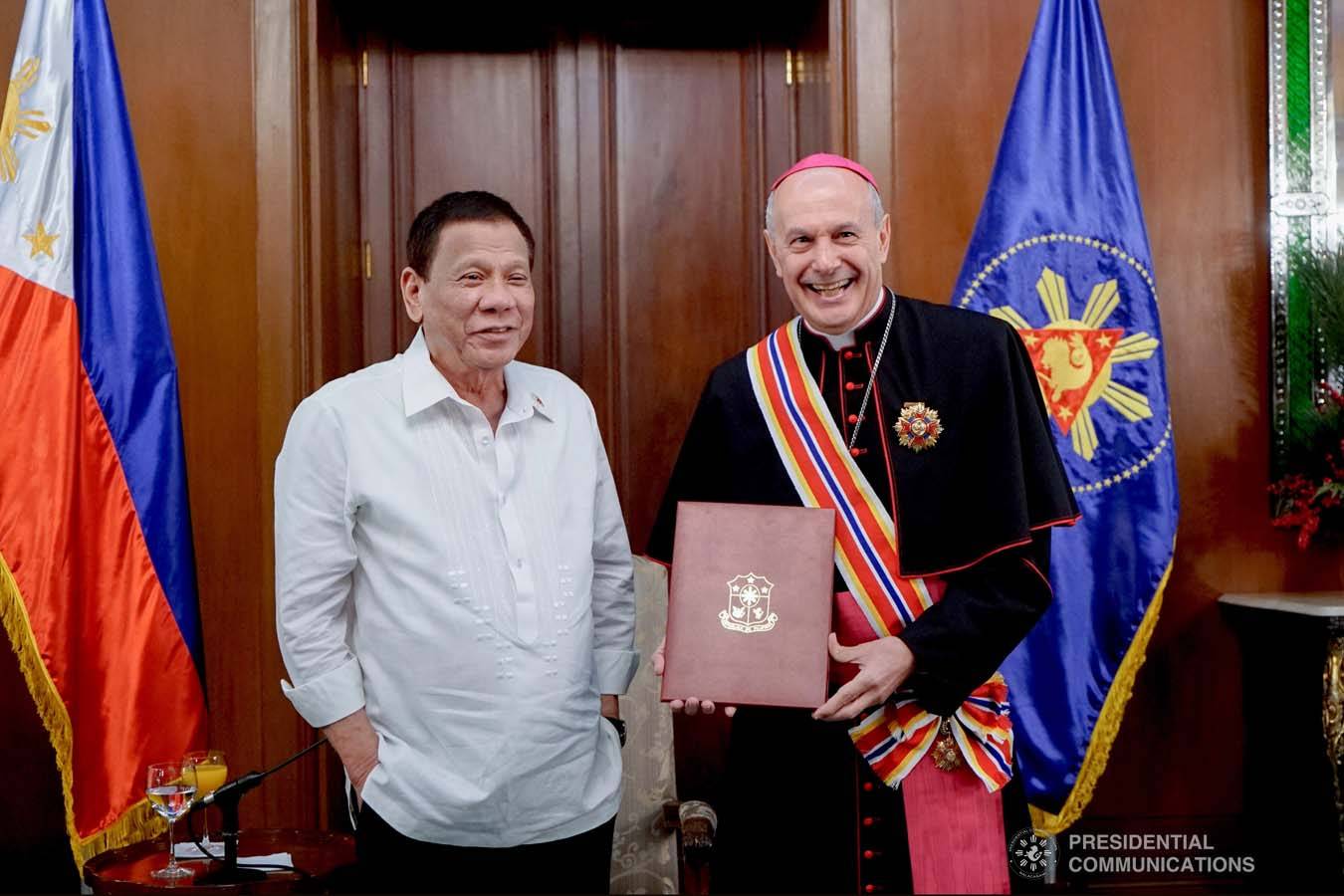
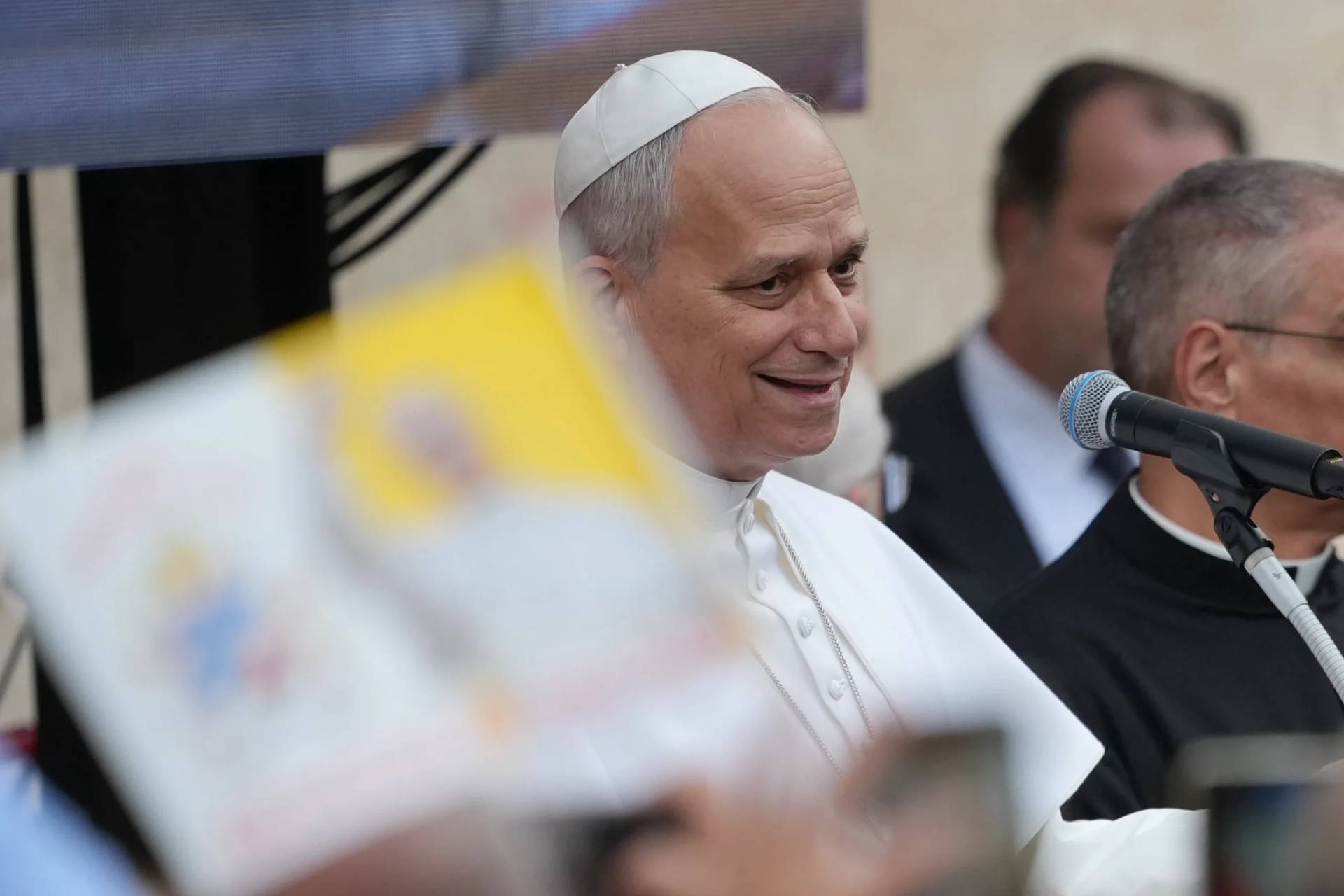
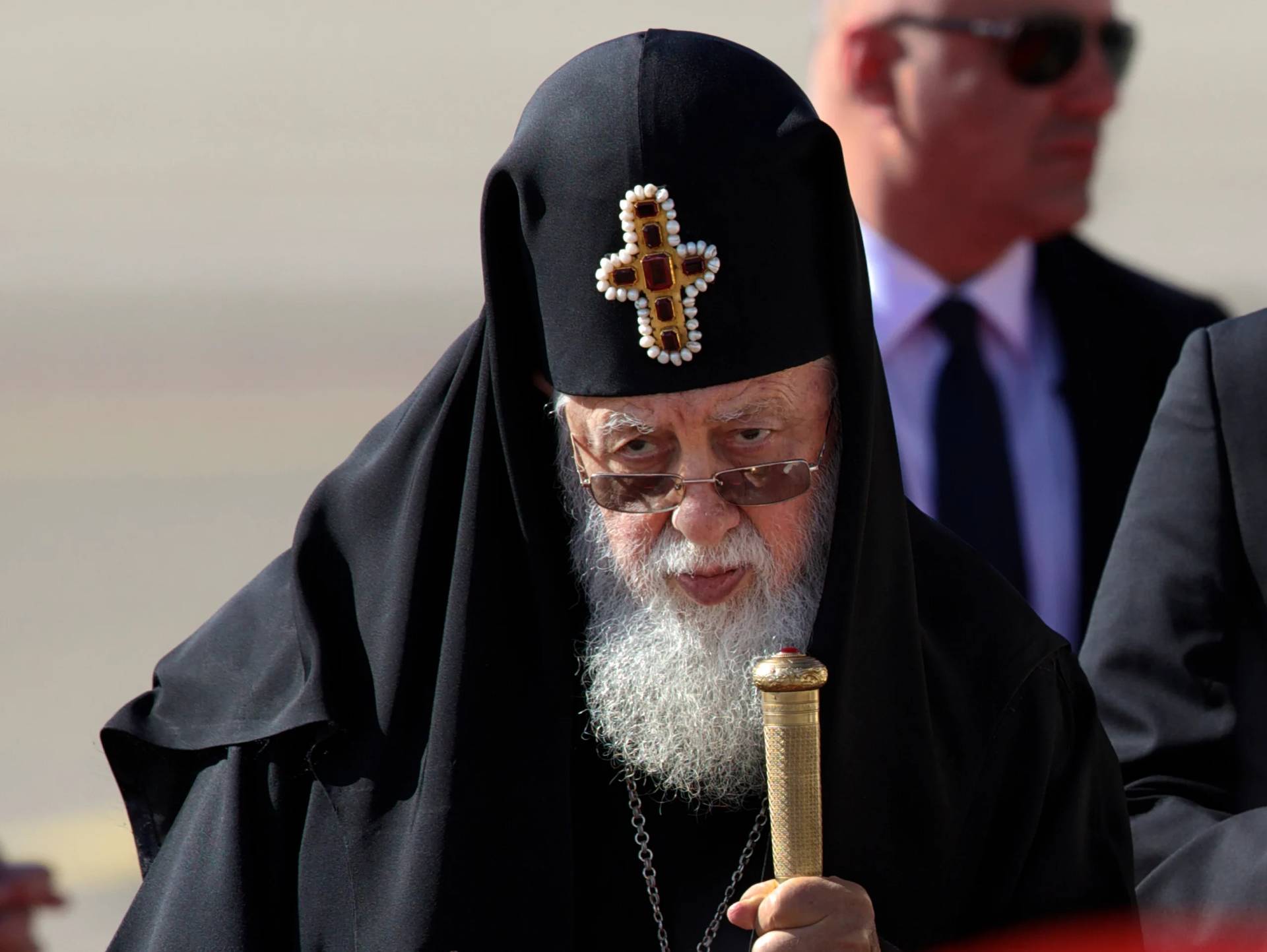
To understand the human impact of this decision and the path forward for a shattered society, Crux Now spoke with Bishop Edward Hiiboro Kussala of the South Sudanese Catholic Diocese of Tombura-Yambio.
“In many communities, ordinary people have been caught in the middle of a conflict they did not create. Families have been forced to flee their homes, villages have been burned, and many have lost loved ones,” the bishop said.
Kusala discusses the mixed emotions sparked by the U.S. announcement, the Church’s role as a sanctuary, and his unwavering belief that true justice must be built on truth, reconciliation, and the dignity of every human life.
Following are excerpts of that interview…
Crux Now: When you heard that the U.S. had designated the Sudanese Muslim Brotherhood along with its political and armed wings, as terrorist organizations, what was your first reaction?
Kusala: The suffering of the Sudanese people has been immense, and any effort that seeks to bring truth to light and protect innocent civilians is important.
When I heard the news, my first reaction was one of mixed emotions. On the one hand, there is a sense that the cries of many innocent people who have suffered violence and displacement are finally being heard by the international community. On the other hand, my deeper concern remains the wellbeing of the people. Any designation or political action must ultimately lead to the protection of civilians, accountability for wrongdoing, and a genuine path toward peace. Recognition alone is not enough unless it helps end the suffering.
The designation specifically accuses these groups of using “unrestrained violence against civilians.” What does this kind of violence look like on the ground?
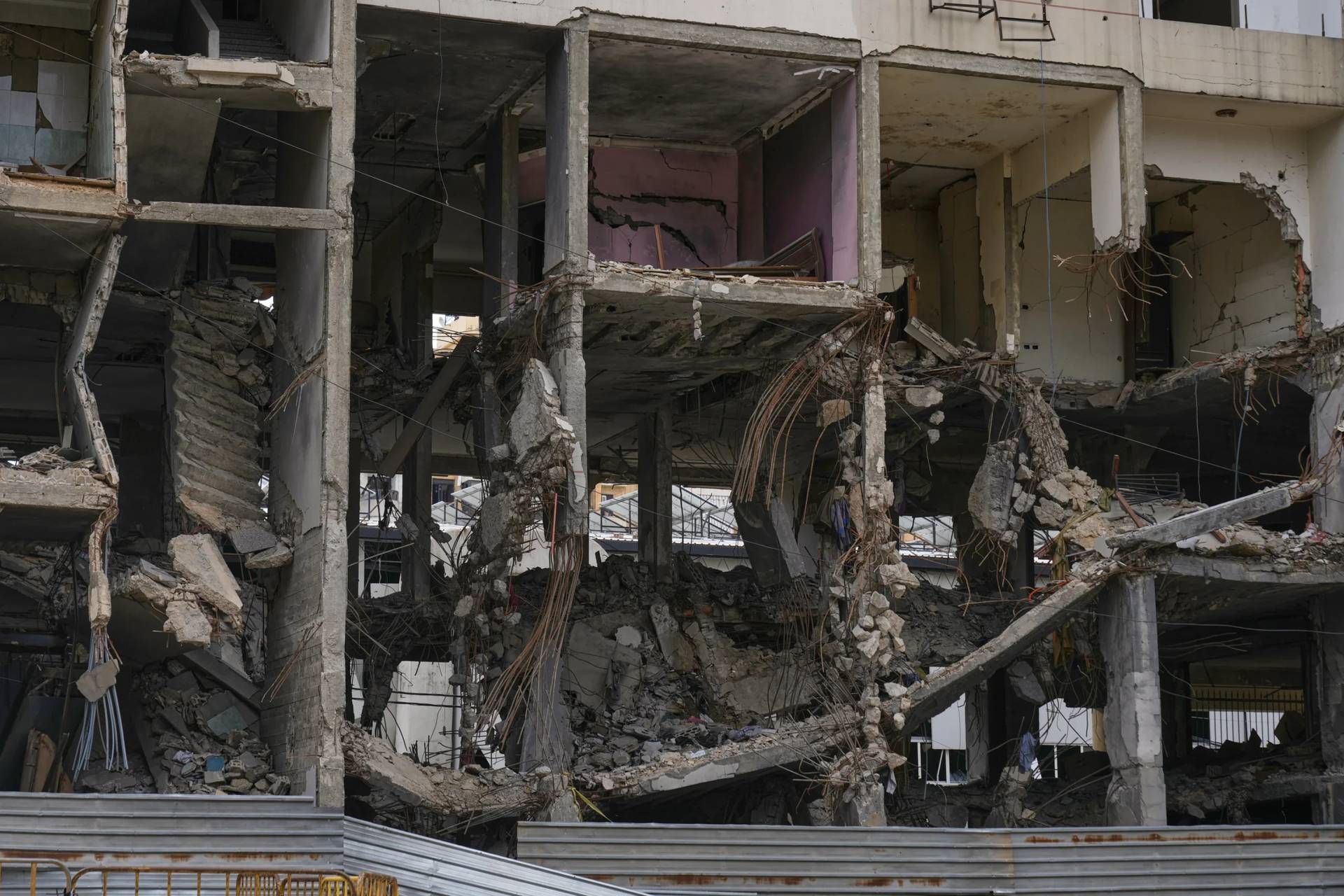
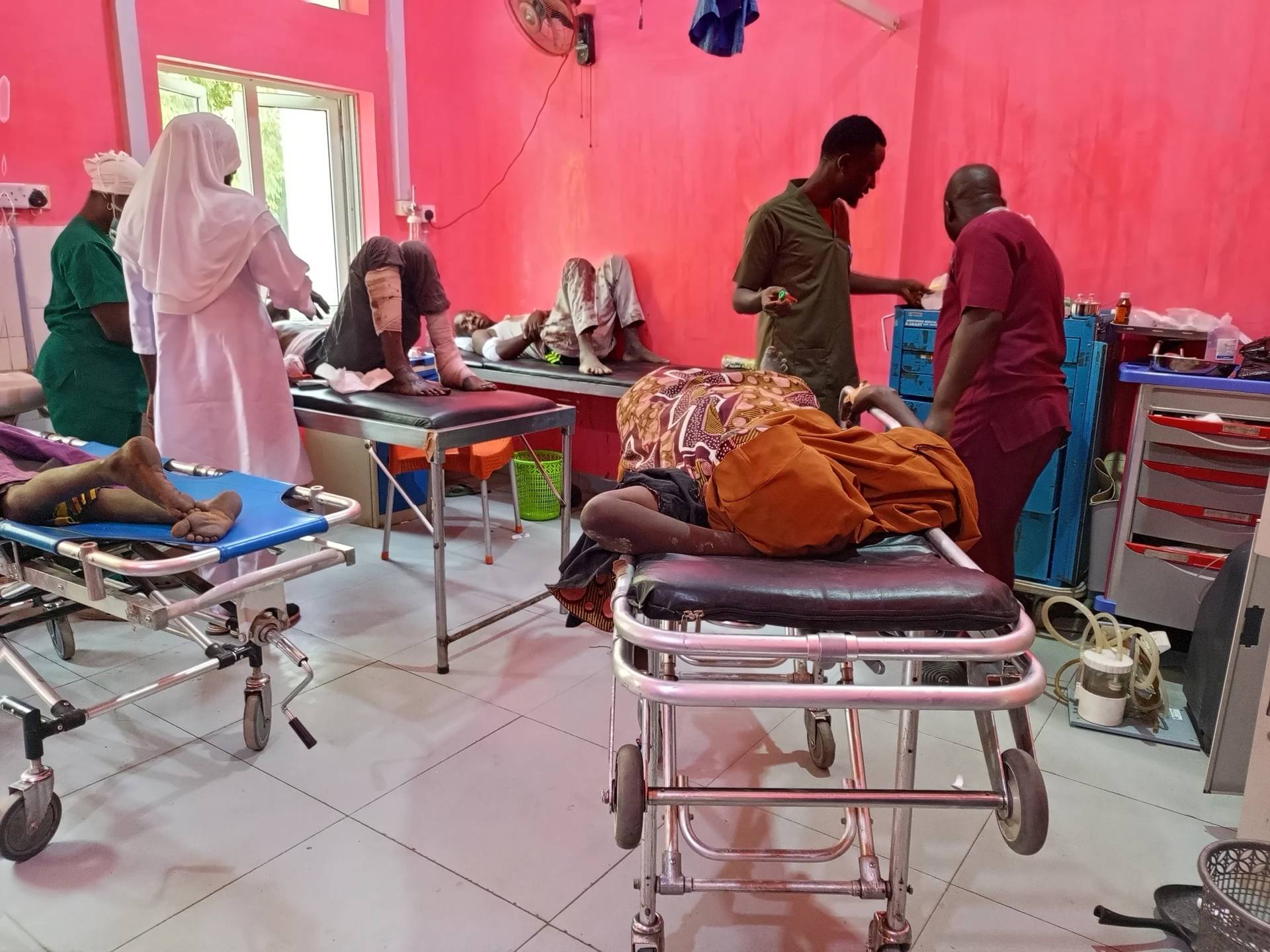
In many communities, ordinary people have been caught in the middle of a conflict they did not create. Families have been forced to flee their homes, villages have been burned, and many have lost loved ones.
I have met mothers who walked for days with their children in search of safety, and elderly people who were left behind with nothing but their faith. These human stories remind us that beyond politics, the greatest victims are always the innocent.
From your perspective, what is the threat these extremist groups pose to the entire fabric of Sudanese society, especially Christians and moderate Muslims?
Extremist ideologies of any kind threaten the social fabric of Sudan, which historically has been rich in cultural and religious diversity. When violence is justified in the name of religion or political identity, it destroys trust between communities. Both Christians and Muslims suffer in such circumstances.
In fact, many moderate Muslims themselves reject extremism and desire peace just as deeply as Christians do. Sudan’s future must be built on coexistence, not
Some extremist preachers are encouraging fighters to “leave no captives alive.” As a religious leader who preaches peace, how do you counter this narrative of hatred?
As a religious leader, my response to hatred is always the Gospel message of peace, forgiveness, and the dignity of every human person. Violence cannot be the language of faith. Whenever fear and anger rise among the people, we remind them that revenge only prolongs suffering.
Our message is simple: We must not allow hatred to enter our hearts, even when we are wounded. Faith calls us to protect life and to build bridges.
The church in Sudan has often been a beacon of hope and a sanctuary for the oppressed. In the current climate, with atrocities being committed by both the SAF-aligned militias and the RSF, how is the church fulfilling this role?
The Church continues to serve as a place of refuge for many people regardless of their religion or background. Our parishes and institutions try to provide shelter, food assistance, spiritual counseling, and encouragement. In times of crisis, the Church becomes a family where the displaced, the wounded, and the grieving can find compassion.
We also work with humanitarian partners and other faith communities to respond to urgent needs.
The conflict in Sudan is sometimes framed as a continuation of the “Islamist project” that was rejected in the 2019 revolution. How do you see the spiritual battle playing out against this political and military one?
From a faith perspective, the deeper battle is not between religions but between the forces of hatred and the call to human dignity. Authentic faith, whether Christian or Muslim, should never be used as a justification for violence. The spiritual challenge before Sudan is to reclaim religion as a force for reconciliation, mercy, and justice rather than division.
The U.S. has designated the SMB/BBMB, but many, including Christian Solidarity Worldwide, are calling for action against the RSF as well. Do you see a difference in the threat they pose, or is the violence from both sides equally devastating for civilians?
For civilians on the ground, violence from any side is devastating. When homes are destroyed and families displaced, people rarely distinguish which armed group is responsible; they simply experience fear and loss. What is urgently needed is accountability for all violations, protection for civilians, and serious efforts toward dialogue and ceasefire.
The 2019 revolution was a moment of great hope for a Sudan free from the ideology of Omar al-Bashir. The 2021 coup crushed that hope. How do you keep the spirit of that revolution alive among your people today?
The spirit of hope that emerged during the 2019 revolution is still alive in the hearts of many Sudanese people. That moment showed the world that ordinary citizens long for freedom, dignity, and peaceful coexistence. Even though political setbacks have occurred, the desire for a just and democratic society cannot be extinguished.
Hope survives in the courage of young people, in the resilience of families, and in the prayers of the faithful.
Beyond these international designations, what does true justice look like for the victims?
True justice must begin with truth. Victims deserve to have their stories heard and acknowledged. It must also include accountability for those responsible for atrocities, support for those who have lost everything, and national processes of reconciliation that rebuild trust between communities.
Ultimately, justice should lead to healing rather than endless cycles of revenge.
Any final words?
Sudan’s future must not be determined by violence or extremism. It must be shaped by the courage of its people to choose reconciliation, justice, and mutual respect. The international community has an important role to play, but lasting peace will come when Sudanese themselves are empowered to rebuild a society rooted in dignity, freedom, and unity.
As faith leaders, our task is to keep hope alive and to remind the world that even in the darkest moments, peace is still possible.