The first few dollars felt like a lifeline.
Sitting in his home in Kumbo, the epicenter of violence in Cameroon’s troubled English-speaking north west region, John (not his real name) clicked through an online platform to which he’d been introduced.
The tasks were simple: filling out advertisement forms and completing digital engagements. Every time he clicked ‘submit’, a small payment followed, blinding him to the trap being set.
“Receiving that money made me believe that they were genuine people and that the opportunity was real,” John told Crux Now. “It built my confidence in them because I saw what looked like real proof that they wanted to support me,” he said.
“At that time, I was hoping for a better future. I wanted an opportunity to support myself, improve myself, and become more independent,” John said.
He never thought that what looked like help was actually a way of gaining his trust before putting him into a situation where he would lose his freedom and dignity.
John was eventually lured to Ghana in 2023 – the promise of quick money for a student already forced out of school because of conflict was too tempting to ignore.
The money was nothing other than bait.
John told to Crux Now how, when he realized he was trapped, his life changed completely.
“I felt afraid, confused, and disappointed. I felt like I had lost control over my own life. My confidence, peace, and dignity had been taken away from me,” he said.
Trapped behind the scam
John had fallen victim to a rapidly evolving global predator; he was lured through a screen, entrapped by the illusion of opportunity.
John’s story encapsulates this year’s theme for the World Day Against Trafficking in Persons, observed July 30: “Trapped Behind the Scam” – chosen to highlight the modern realities of human trafficking, especially how deceptive promises of jobs and migration are used to enslave millions.
In solidarity, the Pan-African Catholic Theology and Pastoral Network (PACTPAN) has launched its 2026 campaign: “Restoring Victims to Dignity: A Call to End Human Trafficking.”
“Trafficking rarely begins with violence—it begins with a lie,” says Sr. Leonida Katunge, a Catholic nun leading the charge against trafficking through PACTPAN.
“A fake job offer, a scholarship, a promise of marriage – that is why awareness is so important. We must teach our young people that not every opportunity is genuine, “the Kenyan nun told Crux Now.
Katunge said traffickers have become terrifyingly sophisticated, weaponizing artificial intelligence to create convincing fake identities, fraudulent employment agencies, and phantom scholarships.
“Their greatest weapon is not violence,” she said. “It is deception. They know how to manipulate people’s hopes, dreams, and desperation.”
Nowhere is this desperation more expertly exploited than in crisis zones. Lukong Isidore Njodzeven, a human rights advocate and the deputy diocesan coordinator for the Justice and Peace Commission of the Catholic Diocese of Kumbo in Cameroon, watches this tragedy unfold daily.
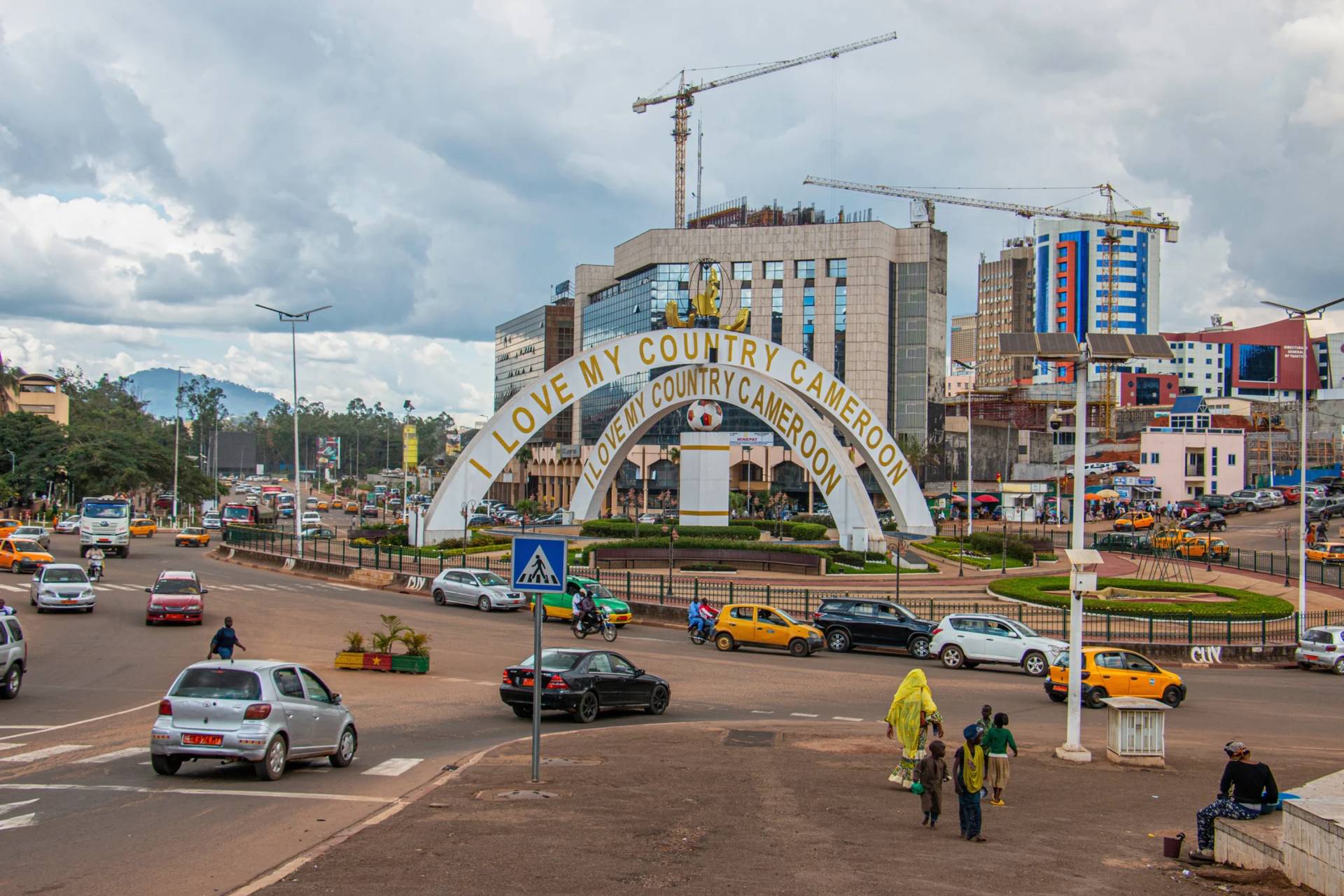
The ongoing socio-political crisis in Cameroon’s Anglophone regions, which erupted in 2016, has created a fertile breeding ground for traffickers. Businesses have been destroyed, banking institutions have fled, and families have been shattered. Hundreds of children have been orphaned or separated from their parents, with hundreds of schools shuttered.
“Traffickers tailor and adapt their strategies to local realities,” Njodzeven told Crux Now.
“The false belief that having a family member abroad brings automatic wealth, coupled with the generalized hardship of the crisis, makes people highly vulnerable,” Njodzeven said. “With AI-generated images and messaging portraying pseudo-realities of job opportunities,” he said, “traffickers are easily convincing our youth to travel.”
The phone call
For John, the turning point that led to his freedom did not come from a police raid or a self-escape. It came from a grassroots safety net.
John’s mother learned about the work of the Justice and Peace Office in Kumbo in trying to rescue trafficked men, women and children.
She reached out to them, and they made the critical phone call, reaching out to John.
“That phone call became the beginning of my freedom,” John said.
“The person on duty listened carefully to my situation and gave me encouragement at a time when I felt lost and hopeless. They helped me understand that I was not alone.”
The Role of the Local Church
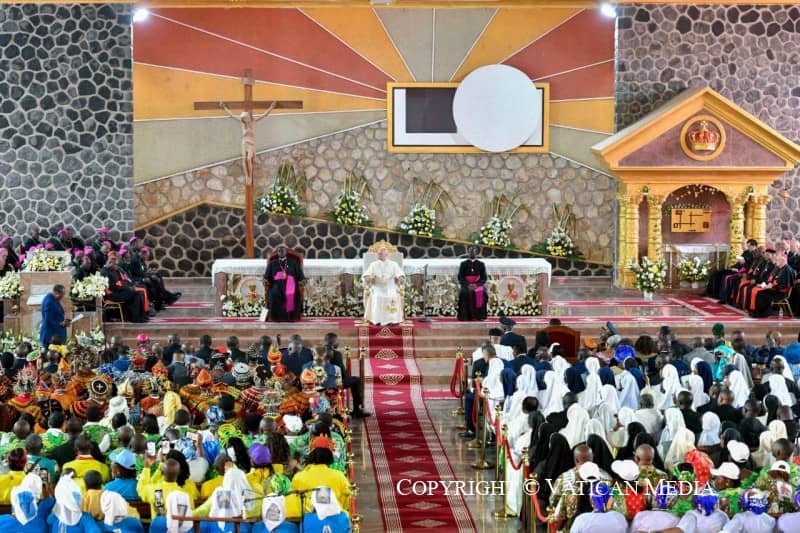
The local Church in Kumbo has positioned itself as an early warning system.
Njodzeven explained how his commission uses community radio programs and other social media platforms to foster awareness of traffickers’ new trends and strategies for ensnaring victims.
“Vigilante groups for the fight against human trafficking have been created,” Njodzeven also told Crux Now, people who observe and report – and train others in the signs to look for.
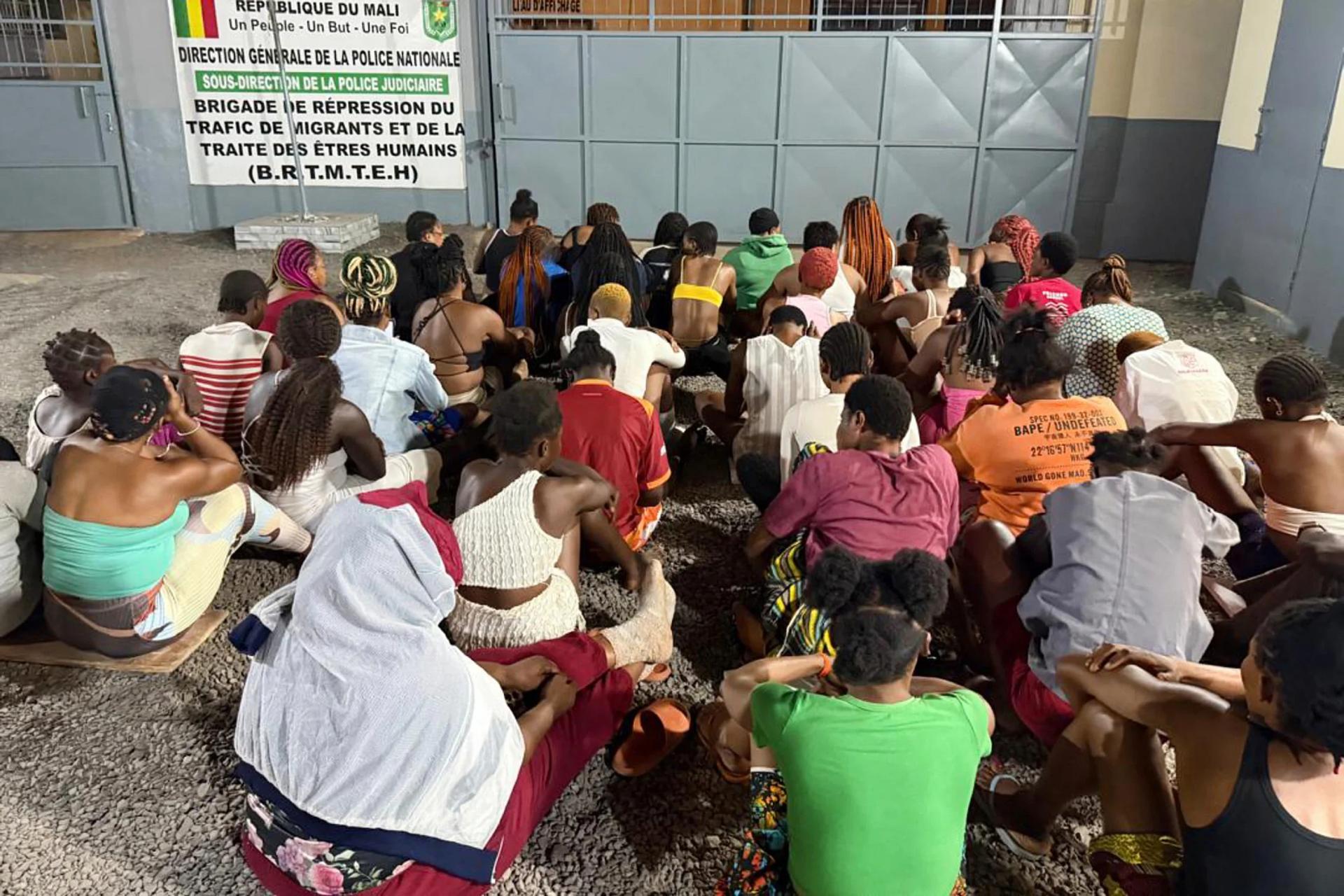
He said the commission even petitioned the Cameroonian Minister of Justice to collaborate with Nigeria to rescue thousands of Cameroonians trapped in exploitation centers across the border.
But rescuing a victim is only the first step – a truth PACTPAN’s 2026 theme emphasizes.
“Freedom alone does not erase the pain, trauma, or loss that survivors have experienced,” Katunge said.
“True restoration means helping survivors heal emotionally, spiritually, socially, and economically,” she said. “As Catholics,” Katunge said, “we believe every human person is created in the image and likeness of God. That dignity is never lost, even after terrible suffering.”
For John, this restoration looked like radical kindness.
“The Justice and Peace Office treated me with respect, kindness, and understanding. They helped me regain my hope, confidence, and the belief that my life still had value,” he said.
“Restoring dignity means helping survivors feel respected, accepted, and supported,” Katunge said. “It means helping them believe they can still have a meaningful future.”
The path to both the rescue and restoration is blocked by daunting legal and structural barriers.
Njodzeven criticized Cameroon’s current anti-trafficking law as not fully conforming to international norms. A more comprehensive revision has been sitting in legislative purgatory for 14 years.
“There is a lot of impunity as most of the perpetrators always find themselves off the judicial hook because of the corruption due to long and expensive judicial process and the fact that the trafficking network is a well-structured and financed body that can use money to twist the arm of the law,” Njodzeven said.
He also relayed how perpetrators are in many cases close family members or influential community or political elites.
Victims often prefer out-of-court settlement to legal proceedings.
“This makes work difficult for civil society organizations that are committed to prosecuting perpetrators in order to deter others,” Njodzeven said.
Ongoing need
Infrastructure for survivor care is sorely lacking, as well.
“As of now, there are no standard shelters for survivors in our region,” Njodzeven said. “Survivors are received in makeshift structures temporarily and sent back to their families. There is a complete lack of policy on victim care and follow-up,” he said.
“Without adequate psychosocial support before reuniting with families,” Njodzeven said, “some of the retrieved victims fall back into the lures of the traffickers.”
To combat this, PACTPAN and local dioceses are demanding policy change, and the establishment of proper rehabilitation centers. But they are also calling on ordinary citizens to recognize their own power.
“My message is simple: You are not powerless,” Katunge said.
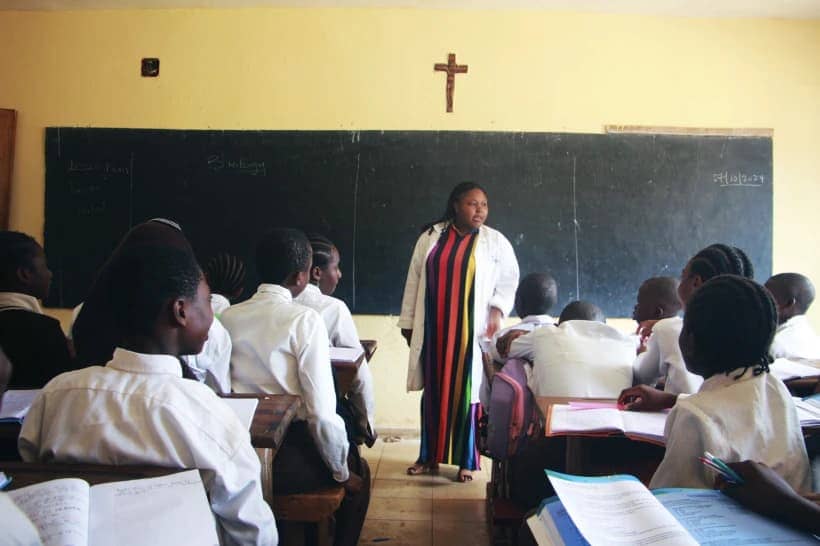
“Parents can teach their children how to recognize false promises. Priests can preach about human trafficking and make our churches places of protection. Teachers can educate students about online scams,” she said.
John, now rebuilding his life, had his own urgent message for the young men and women of Cameroon who are staring at their screens, tempted by offers that seem too good to be true.
“Do not allow financial difficulties or the excitement of a new opportunity to make you trust someone too quickly, “he warned.
“With AI, people can create pictures, videos, and audios that look real even though they are not. Do not believe everything you see. Ask questions: Will I be free to make my own choices? Will I keep control of my documents? Why do they want me to keep this a secret from my family?”
“Your life, your freedom, and your dignity are more valuable than any promise,” John said.