Two Indian state legislatures passed controversial new anti-conversion laws last week, in moves that brought defiant responses from Catholic leaders.
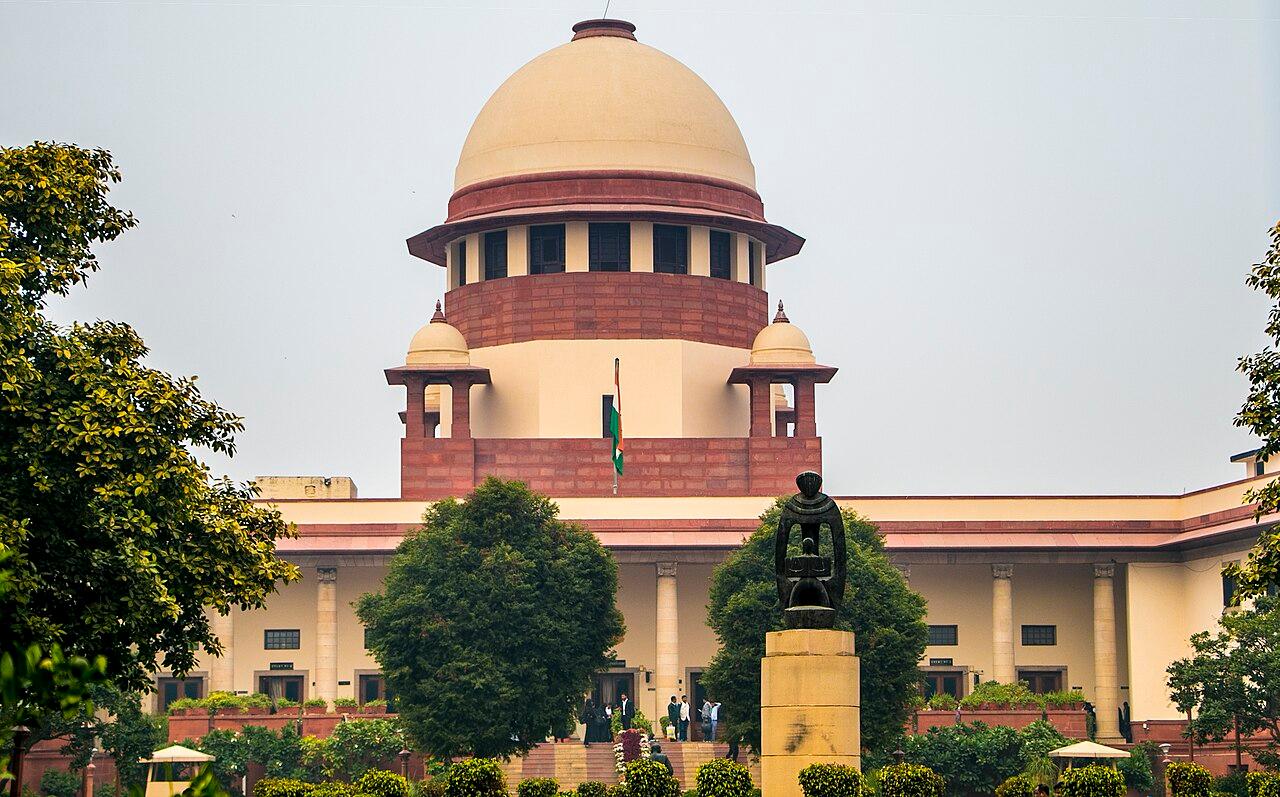
The passage of the bills in Maharashtra and Chhattisgarh brought strong criticism from Catholic bishops and came as nearly a dozen legal challenges to similar laws are pending before the Indian Supreme Court.
Maharashtra – a “legal minefield”
A group of more than a dozen bishops from Maharashtra issued a statement in the wake of the Maharashtra law’s passage, criticizing the lack of consultation with affected communities ahead of passage and noting “a troubling lack of neutrality.”
Maharashtra is the sprawling and second-most populous state in India, at nearly 1.5 billion inhabitants the world’s most populous country, only a tiny fraction of whom are Christian.
“Rather than fostering harmony,” the signatory bishops say the law “risks promoting suspicion, division, and injustice.”
“The law appears to disproportionately affect minority communities,” they say, “raising serious concerns about both its intent and its implementation.”
Auxiliary Bishop Dominic Savio Fernandes of Bombay (Mumbai) told Crux Now the Maharashtra law poses a direct threat to the Catholic Church’s Rite of Christian Initiation of Adults (RCIA).”
“RCIA is voluntary, year-long, and guided by priests who provide instruction and spiritual formation,” Fernandes said.
He also noted how the Act mandates that anyone intending to convert—and the institution assisting them—must notify authorities 60 days in advance, and allows relatives or others to file police reports alleging “unlawful conversion.”
“There is no deterrent for false complaints,” Fernandes said, “creating a serious risk of harassment for clergy.”
The bishops believe priests and other Church workers could be accused of coercion, “brainwashing,” or “glorifying religion” merely for teaching or guiding RCIA candidates, meaning RCIA leaders could face investigations or legal action merely for conducting meetings with interested people.
“These provisions reverse the burden of proof, exposing clergy to legal scrutiny and intimidation,” Fernandes told Crux Now.
He said the Maharashtra law “could discourage priests from running RCIA programs, turning ordinary pastoral work into a legal minefield.”
Chhattisgarh State – denial of freedom
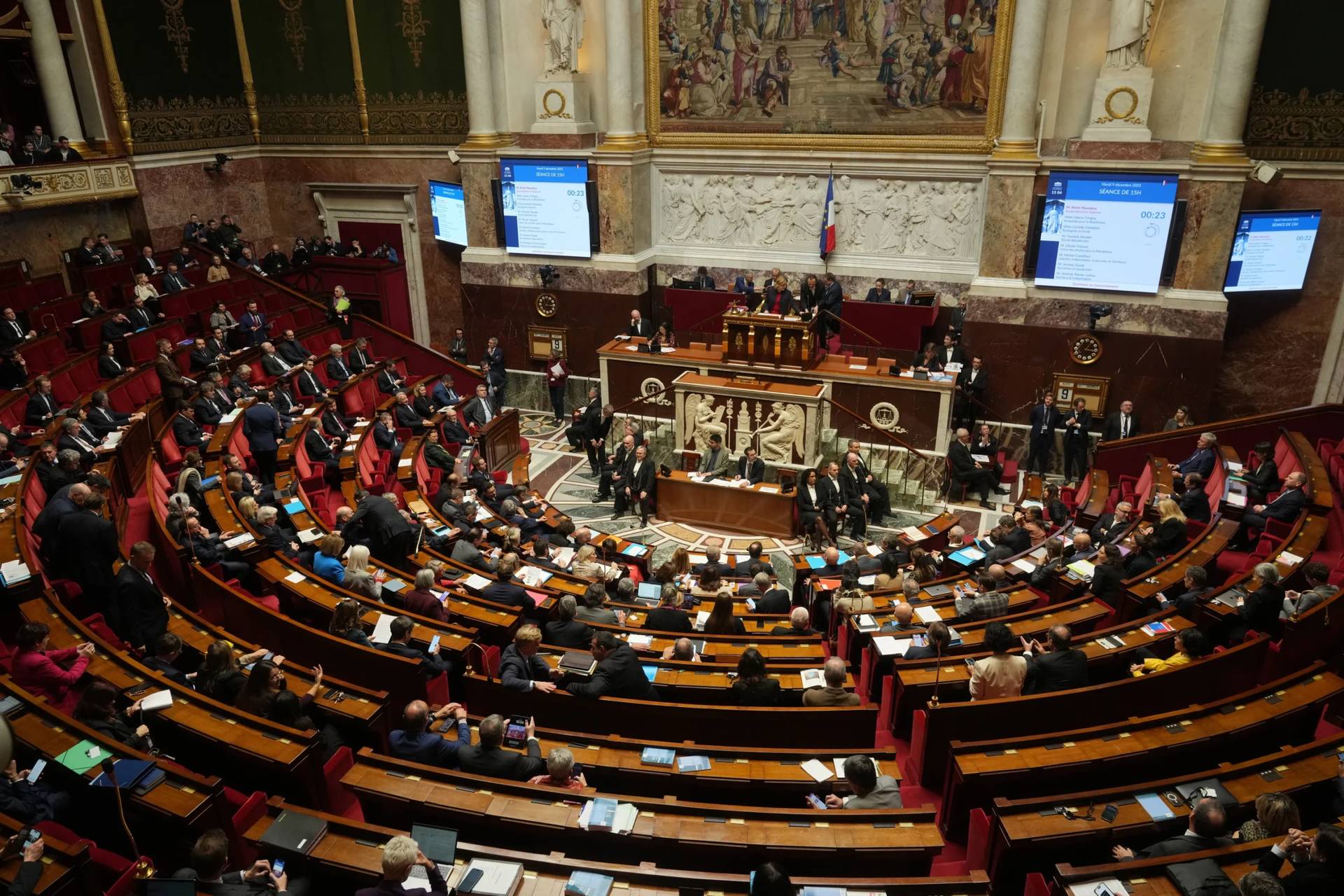
The Chhattisgarh Assembly passed the Chhattisgarh Freedom of Religion Bill, 2026, on Thursday, March 19 by voice vote, after opponents of the bill staged a walkout.
Legislators opposed to the bill in Chattisgarh – a landlocked central state of 30 million people, sharing a border with Maharashtra to its southwest – first attempted unsuccessfully to refer the bill to committee, a procedural move that could have delayed passage.
Opponents contended that cases challenging similar measures in 11 states are currently pending before the Indian Supreme Court, but supporters of the bill in Chhattisgarh were not deterred.
The Chhattisgarh legislation criminalizes religious conversions carried out through deceit, force, allurement, or digital means.
Like the Maharashtra law, the Chhattisgarh law is worded broadly and provides for stringent penalties.
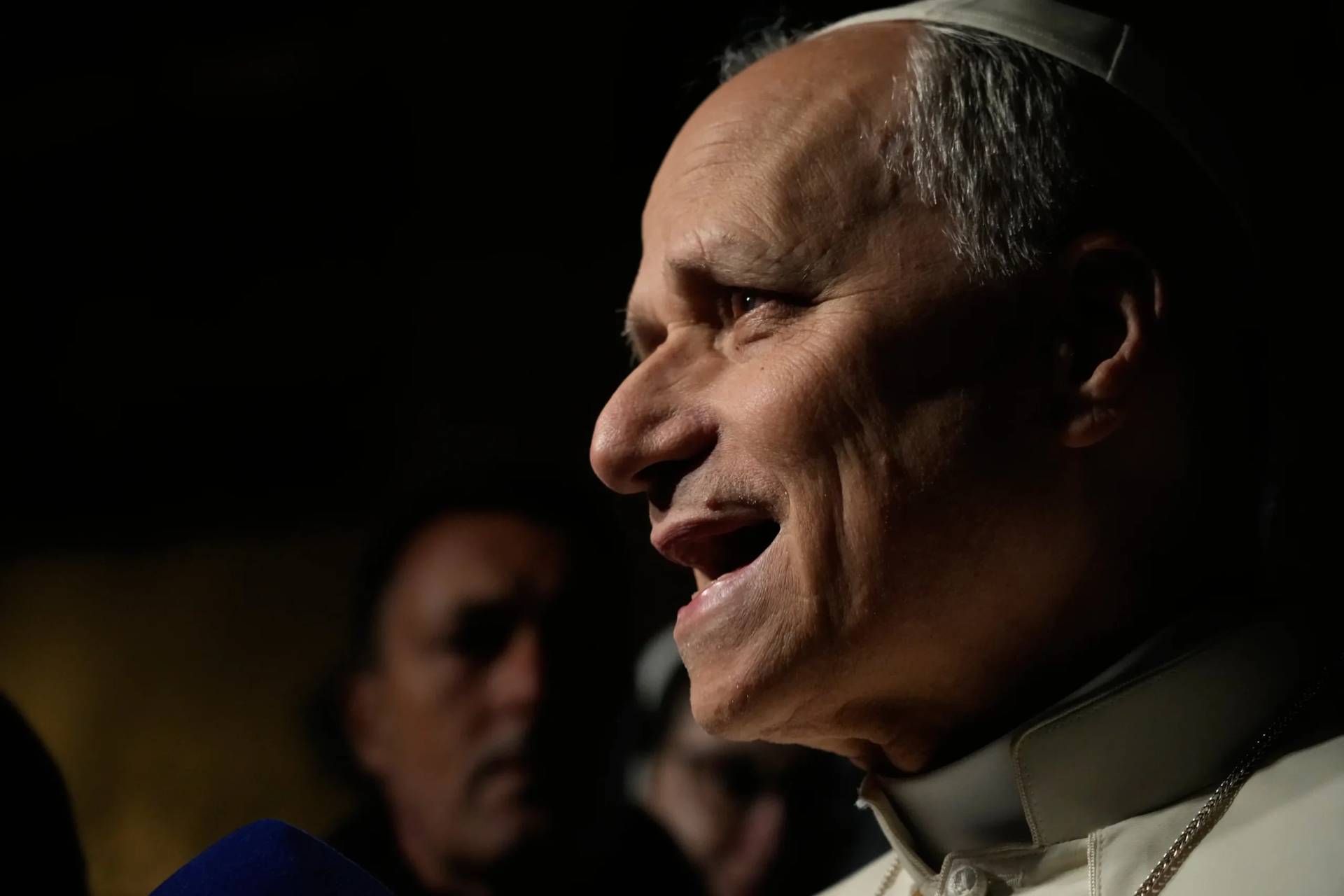
Archbishop Victor Henry Thakur of Raipur, President of the Catholic Bishops’ Council of Chhattisgarh, told Crux Now the new law flies in the face of Indian constitutional religious liberty guarantees.
“The Catholic Church teaches that human dignity is founded on God-given freedom, which needs to protected and promoted by liberating people from all forms of slavery,” he said.
“The Catholic Church, therefore, is always opposed to forced or fraudulent conversions,” Thakur said.
“As such,” the archbishop continued, “the Chhattisgarh Freedom of Religion Bill, 2026, sems to be denying the freedom of a person willing to convert.”
Thakur specifically mentioned the law’s provisions “mandating prior permission from the designated civil authority in the name preventing forced religious conversions.”
“The way it is framed,” Thakur said, “[the law] seems to deny the constitutional right of freedom to choose religion.
“It can easily be misused to harass religious minorities,” Thakur said.