SÃO PAULO, Brazil – While the Venezuelan Church celebrated the national and international wave of solidarity and the donations received for the victims of the earthquakes that struck the South American nation in June, it still needs to rely on the generosity of donors in the face of the many challenges that lie ahead.
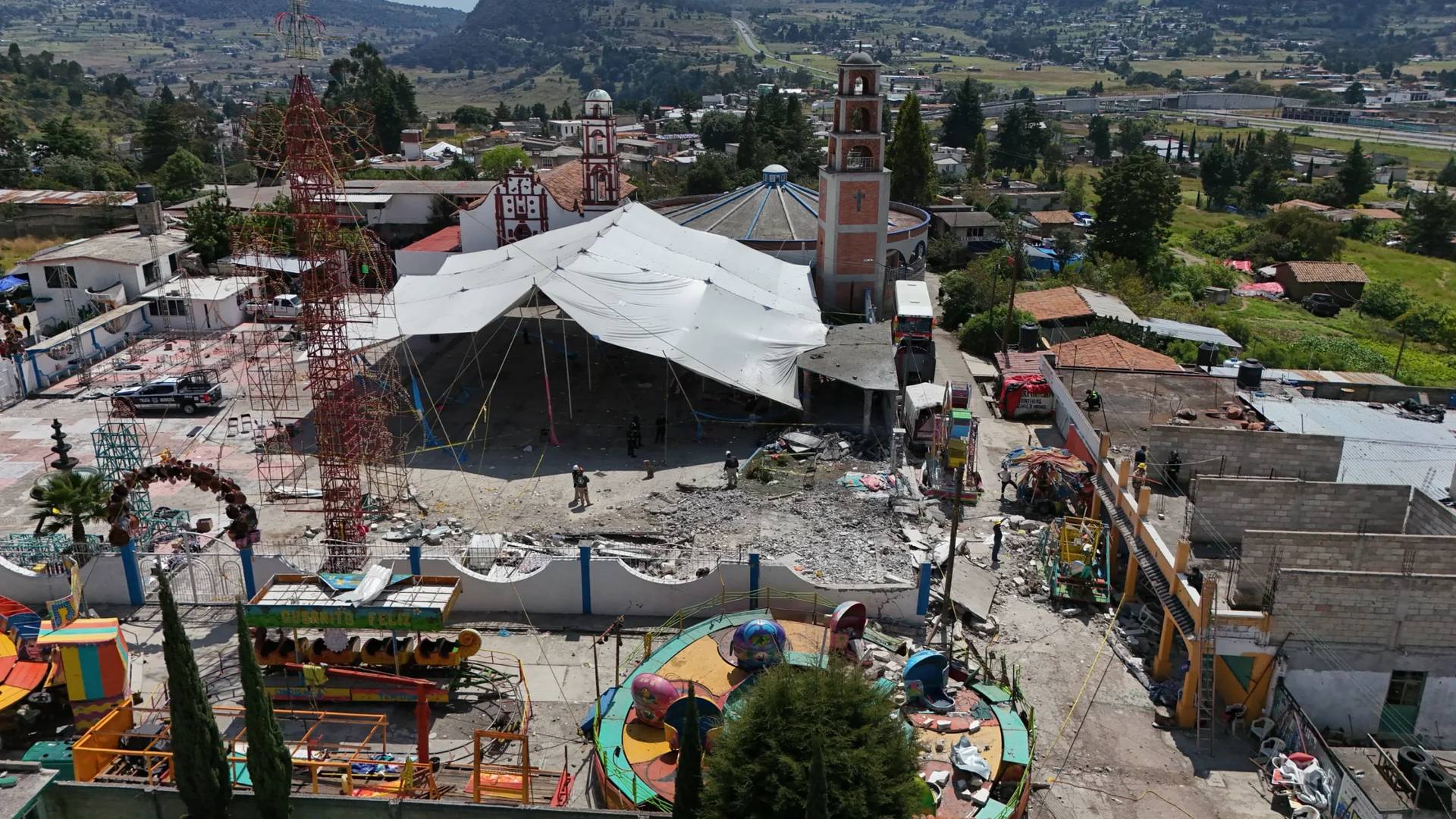
More than a month ago, on Jun. 24, two successive earthquakes struck northern Venezuela. A magnitude 7.2 foreshock had its epicenter in Veroes, a municipality in Yaracuy state, at 6:04 p.m. Thirty seconds later, a magnitude 7.5 mainshock rocked the coast of La Guaira state, causing widespread damage in Caracas.
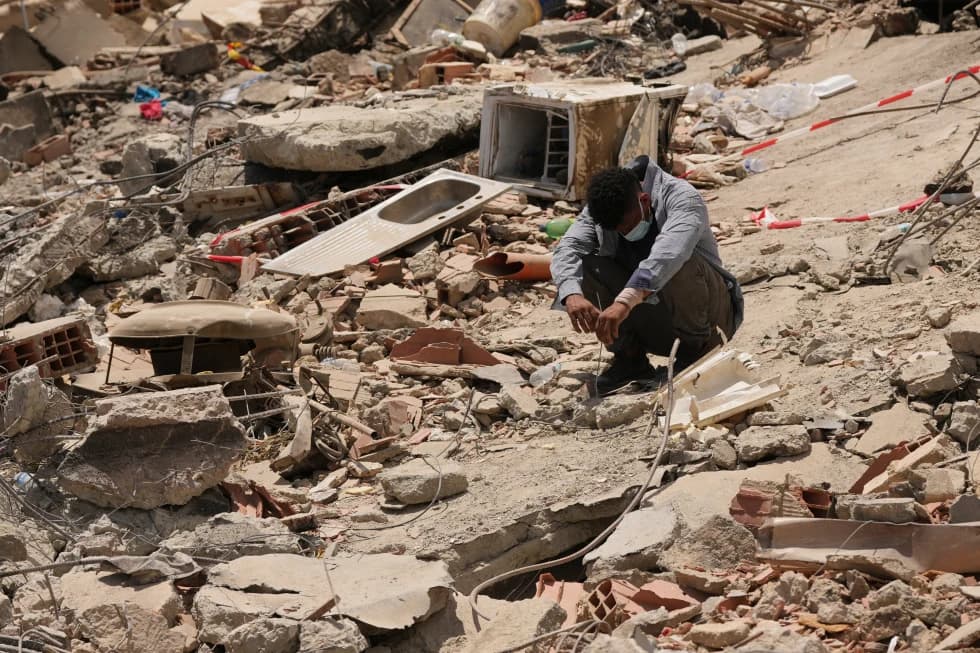
The two earthquakes killed at least 6,125 people, according to the latest report released by the Venezuelan Congress. The World Bank estimated the financial losses caused by the destruction of public and private infrastructure at US$19.5 billion.
Since the beginning, the Church has worked nonstop to assist the victims.
“Caritas Venezuela immediately began accompanying the parishes in the affected areas, speaking with priests and monitoring the needs of the hardest-hit families,” Janeth Márquez, executive director of the organization, told Crux Now.
The next step was to organize a donation campaign by activating collection centers and mobilizing a broad network of volunteers.
‘Not an easy task’: Inside a complex relief operation
“We had to ensure that all donations were properly received and sorted into food, hygiene and medicine kits, and that those kits reached the neediest victims, many of whom are now living in temporary shelters or tents near partially destroyed buildings,” Márquez said.
During the first weeks after the earthquakes, the response from the Venezuelan people was overwhelming, she said. From poor citizens who could donate only a bag of rice to large companies that made substantial contributions, Venezuelans were quick to help and remarkably generous.
“At the same time, an international campaign began. Local Caritas branches and other organizations throughout the Americas and Europe encouraged people to donate money so we could buy items such as underwear, which cannot be donated,” Márquez said.
During that phase, Venezuelans living abroad – around 8 million people who left the country over the past decade because of the country’s prolonged economic crisis – took the initiative to launch their own campaigns and collect basic supplies to send home. Containers filled with food and clothing began arriving in Venezuela.
That was something new for the Church to manage, explained Bishop José António da Conceição Ferreira of the Diocese of Puerto Cabello, not far from the earthquake’s epicenter.
“Getting the containers into Venezuela was not an easy task. We had to deal with government bureaucracy, as well as the fact that ports and airports had been damaged by the earthquake,” Ferreira, secretary-general of the Venezuelan Bishops’ Conference, told Crux Now.
The Church finally received the first container only two weeks ago.
Márquez said the process required the Caritas team to take on tasks they had never handled before, such as obtaining tax exemptions and complying with customs requirements.
“Donating money is usually the best option because we can receive it quickly and purchase the necessary items locally, which also helps reactivate the economy after a disaster,” she said, “but we realized that people had poured their hearts into those initiatives, so we had to accept the donations as they came and deal with the new challenges.”
According to a Caritas report released on Aug. 4, the Church has received more than 22,000 tons of donations since the earthquake, and more than 19,000 tons – about 85 percent – have already been distributed.
Most of the donations consisted of water (more than 8,000 tons) and food (7,848 tons), especially corn flour, rice, pasta, beans, canned fish and sugar. The remainder consisted of hygiene kits and clothing.
According to Caritas, 26,144 families – more than 100,000 people – have received assistance. More than 7,800 volunteers have participated in the relief effort.
From relief to recovery
Now, the Church is entering a new phase of its response: Reconstruction and economic recovery.
“That’s when we assess the damage each house has suffered and determine what a family needs to repair it and return home. The same applies to small shops and other businesses,” Márquez said.
That will not be easy. In the Diocese of Puerto Cabello alone, at least 900 families have been forced to leave their homes, Ferreira said.
“We’re preparing a risk map to monitor those problems. We’ve also discovered that the damage in rural areas has been significant,” he said.
The region’s hospital was also damaged, leaving an entire inpatient ward out of service.
The Church must also address damage to its own buildings. Several churches suffered structural damage, including cracked ceilings and partially destroyed columns. Puerto Cabello’s Cathedral, for example, was among them.
At the same time, search and recovery operations are still underway. Transporting heavy machinery to areas covered with debris has been difficult, even with specialists from other countries assisting Venezuelan rescue teams. According to Ferreira, many people remain missing, and numerous bodies are still trapped beneath collapsed buildings.
The disaster caught Venezuelans off guard. After the January strikes carried out by the United States, which resulted in then-President Nicolás Maduro and his wife being detained and transferred to a prison in Brooklyn (where they await trial), many Venezuelans were already anxious about the country’s uncertain future.
“We endured more than two decades of the Chavista regime. Then [Maduro was arrested and] hope appeared again, but nobody knew which direction the country would take. Now we’ve suffered this terrible blow,” Ferreira said.
Still, Venezuelans have shown remarkable resilience, he added.
“The people have demonstrated tremendous faith. They want to get back on their feet and rebuild their lives despite their suffering,” the bishop concluded.
Now that work to restore businesses, homes and public spaces is beginning, Caritas Venezuela once again needs the support of the international community.
“In general, most donations arrive within the first 15 days after a disaster like this and then decline. But we still need help,” Márquez said.
______
You are reading this Crux Now article for free. You can register for our free daily newsletter here, and you can become a Crux Now supporter for full access to all our premium content here. To find out more about why becoming a Crux Now supporter is a great idea, go here.