Pope Leo XIV called on the faithful to pray for those battling wildfires across southwestern Europe on Sunday.
Fires in France and Spain have killed at least one person – in Valencia, Spain – and displaced more than 250 thousand others.
Extreme heat and high winds in both countries have contributed to the conditions favorable to fires – and are also making it difficult to battle the blazes, which began in mid-July and intensified in recent days.
The fires have destroyed as many as 400 thousand acres of land across the two countries.
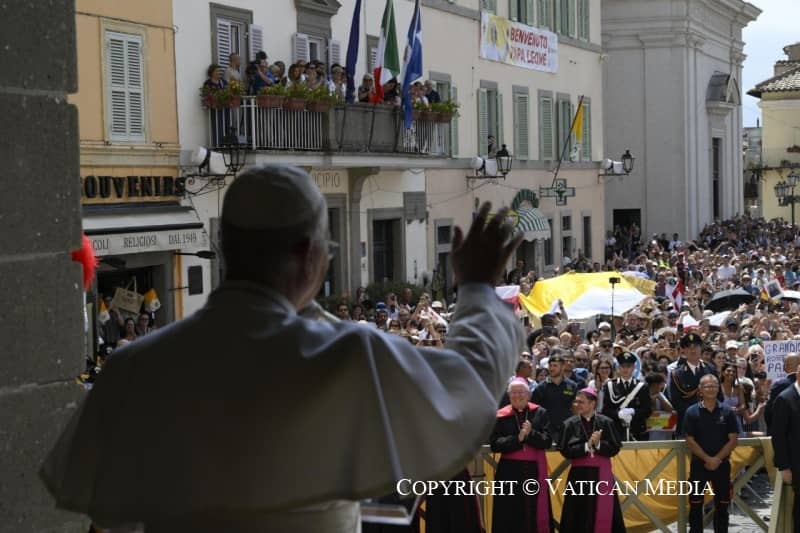
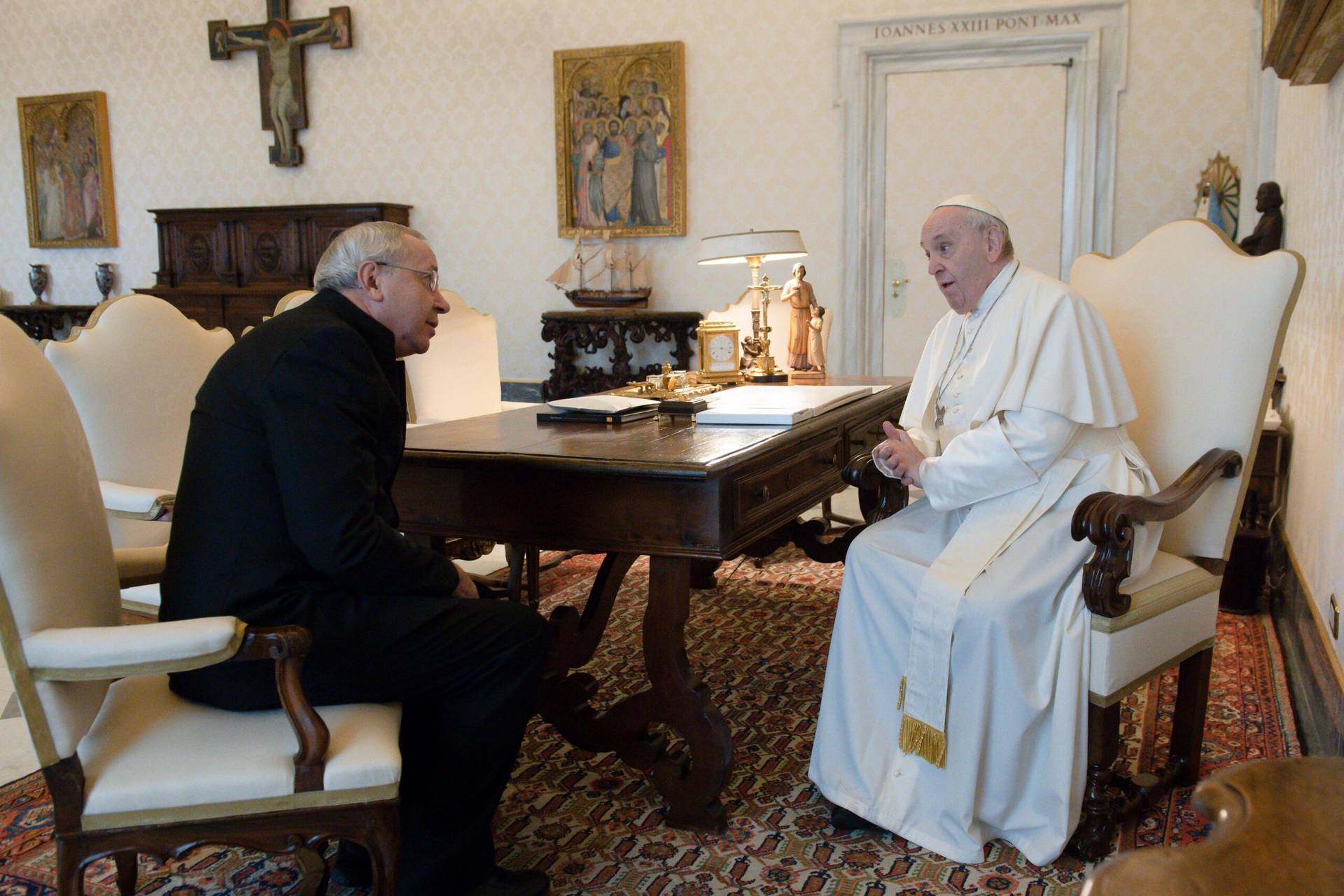
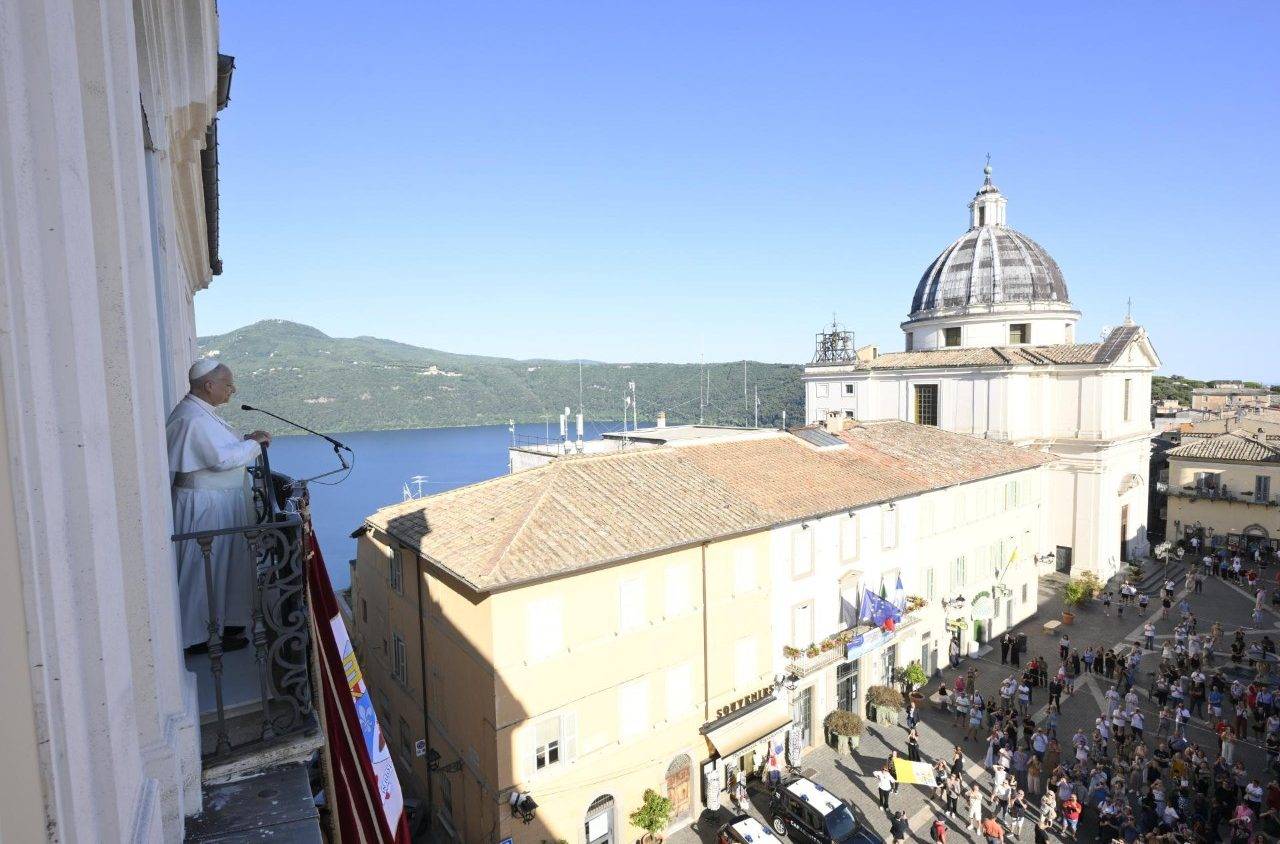
“In light of the devastating fires that have affected various parts of France and Spain in recent days,” Leo said, “I express my closeness and invite everyone to pray for those affected and for the work of the rescuers.”
The pontiff made his appeal in remarks following the Angelus prayer this Sunday at Castel Gandolfo, the papal summer residence.
RELATED: Pope renews appeals for Mideast peace
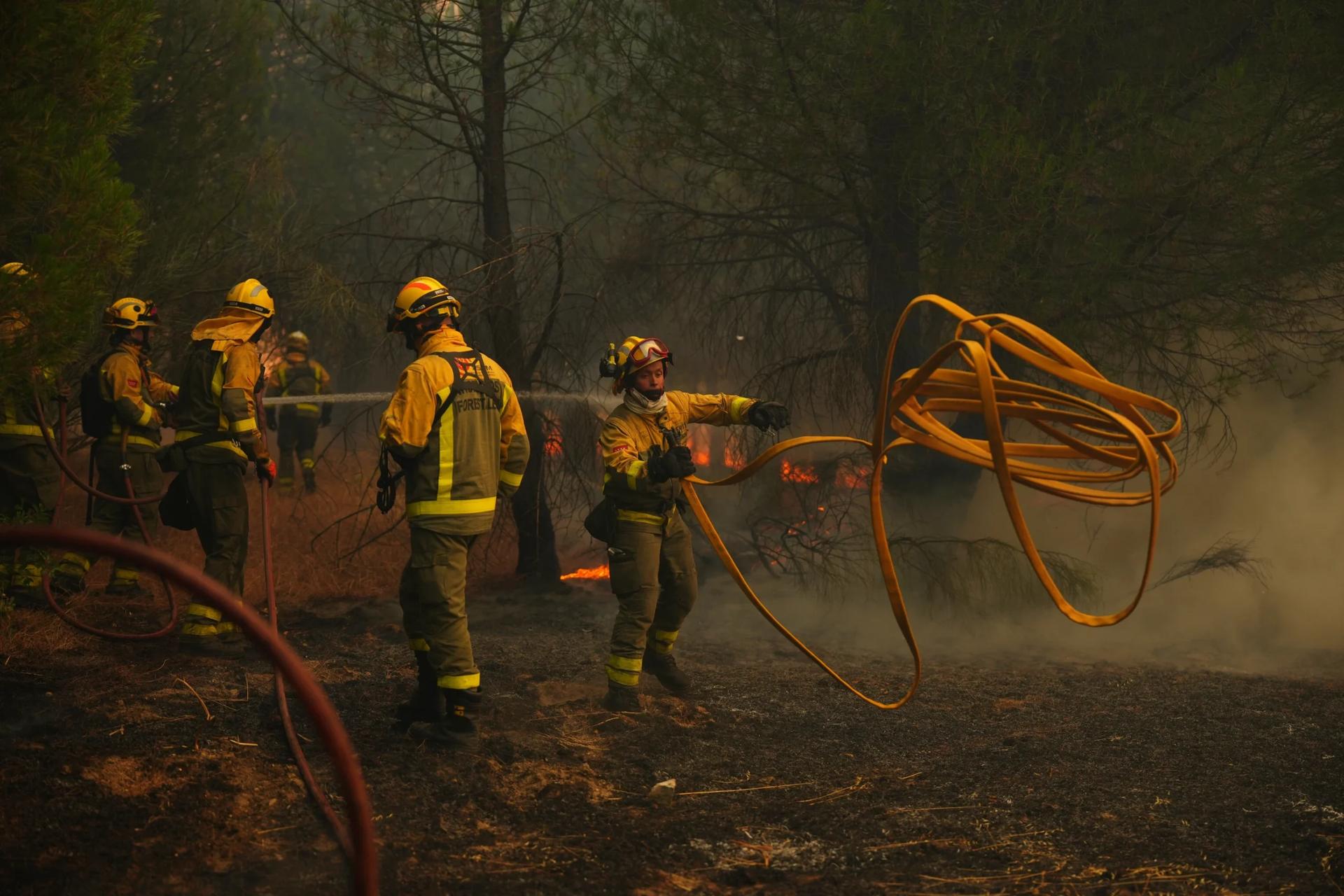
Shifting conditions at the weekend were creating very challenging conditions for firefighters in both countries.
Some of the fires were under control, but others were breaking out, while firefighters continue in both countries to work around the clock.
“Some difficult hours still lie ahead,” said Spanish Prime Minister Pedro Sánchez on Sunday, “though the night [between Saturday and Sunday] has been very positive,” with some of the blazes in and around the capital, Madrid, under control.
“The scale of this crisis is very difficult to grasp,” Sánchez also said, noting that nearly 50 thousand acres had been destroyed in 24 hours over Saturday and Sunday.
On a social media post on Saturday, French Prime Minister Sébastien Lecornu called the fires “an historic crisis” and praised the “exceptional work” of responders.
Lecornu said some 1,400 firefighters, 1,500 military personnel, and 1,700 internal security forces “now engaged in fighting the fires, protecting populations, and securing evacuated areas.”
“We are planning for all scenarios,” Lecornu said.
“We are preparing for all possible developments,” he said, “as the fire situation can change abruptly depending on the wind, temperatures, and humidity.”