DHAKA – Caritas Bangladesh observed the International Day of Prayer and Awareness against Human Trafficking by calling to uphold human dignity through the service, love and care.
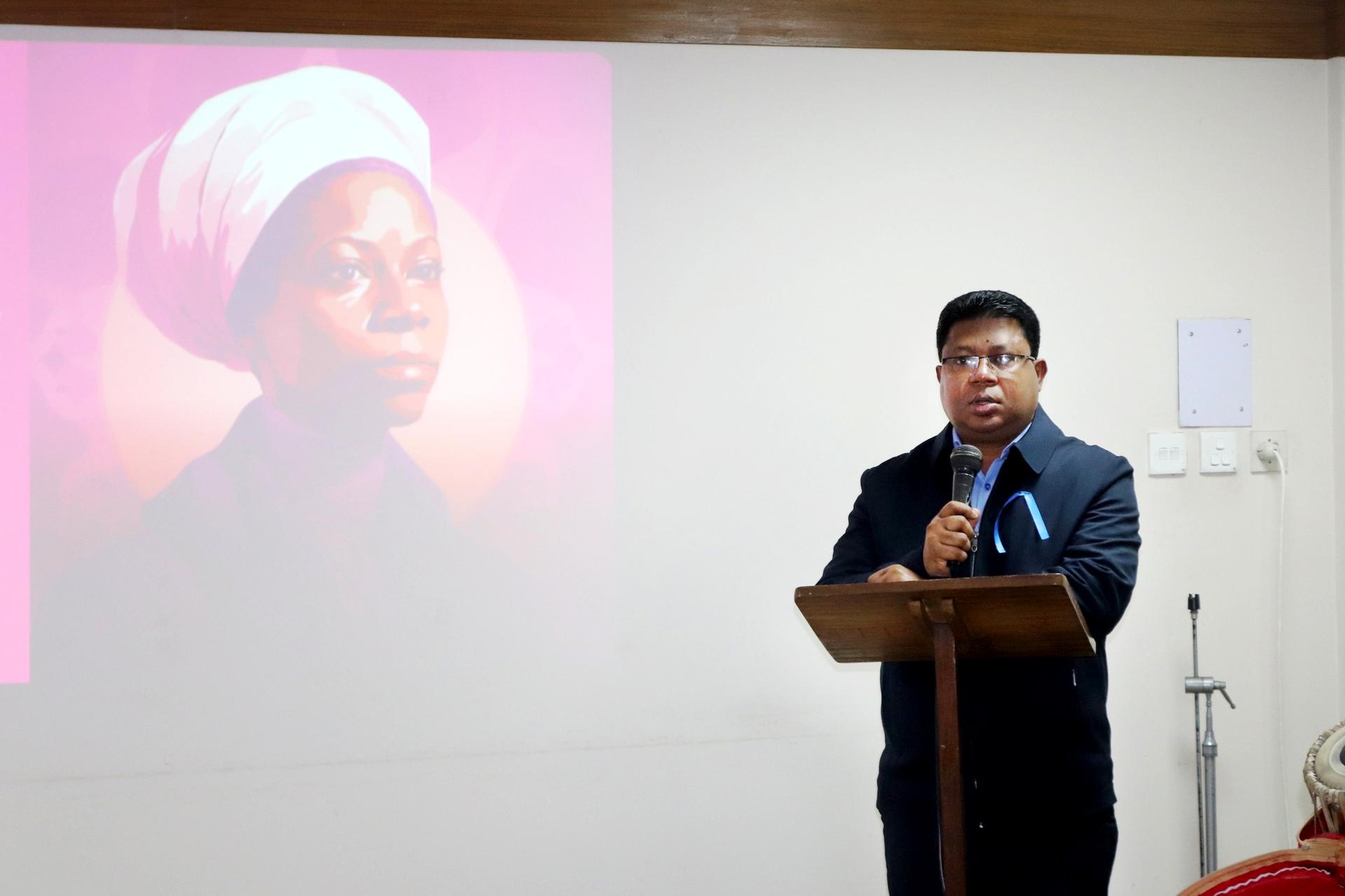
At the central Caritas office in Dhaka, a special program unfolded to mark the day under the theme, “Peace Begins with Dignity: A Global Call to End Human Trafficking.”
The International Day of Prayer and Awareness against Human Trafficking is held each year on February 8 – the liturgical memorial of St. Josephine Bakhita, a Sudanese victim of human trafficking born in the second half of the 19th century who eventually became a Canossian sister and was canonized by Pope St. John Paul II in the Jubilee Year 2000.
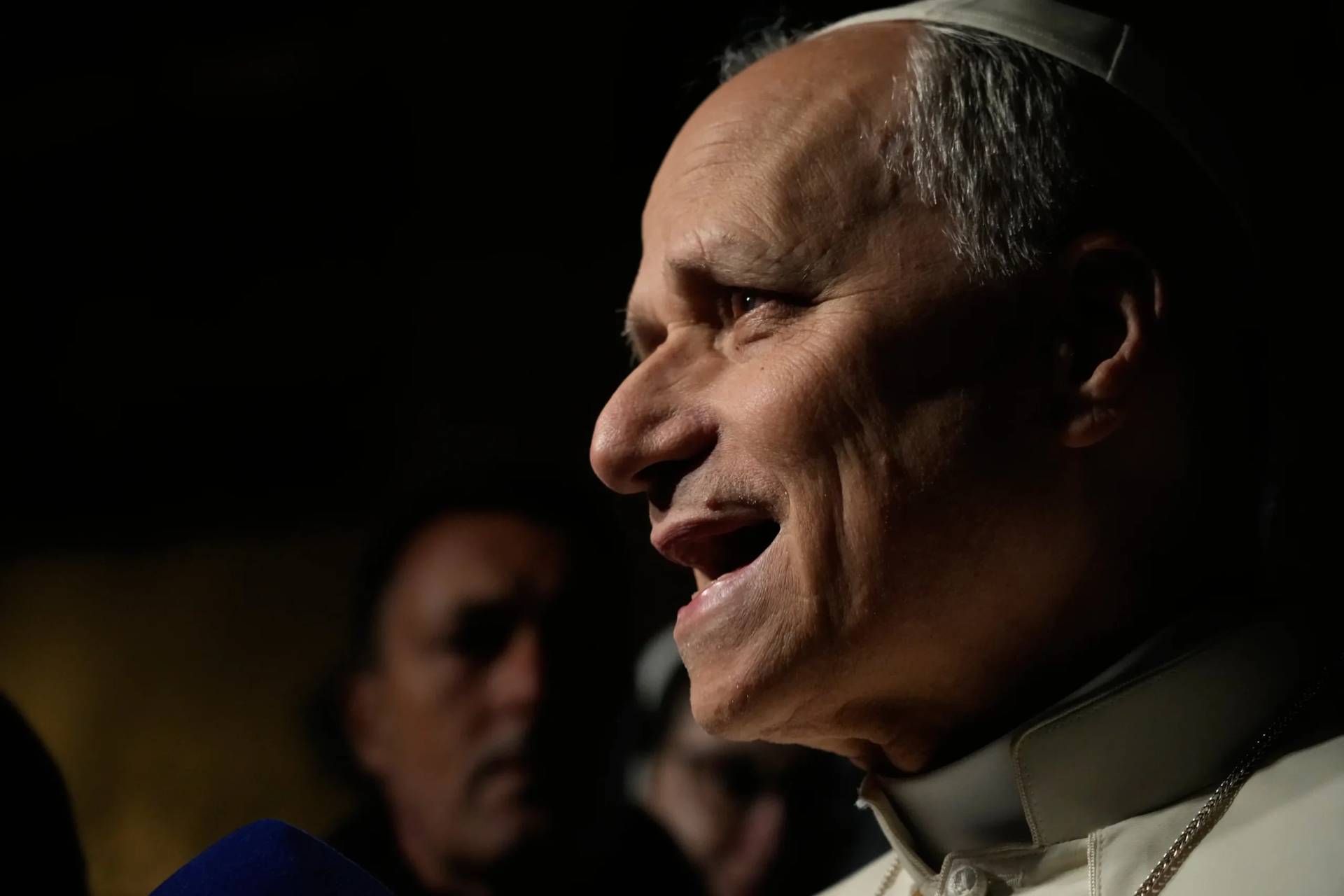
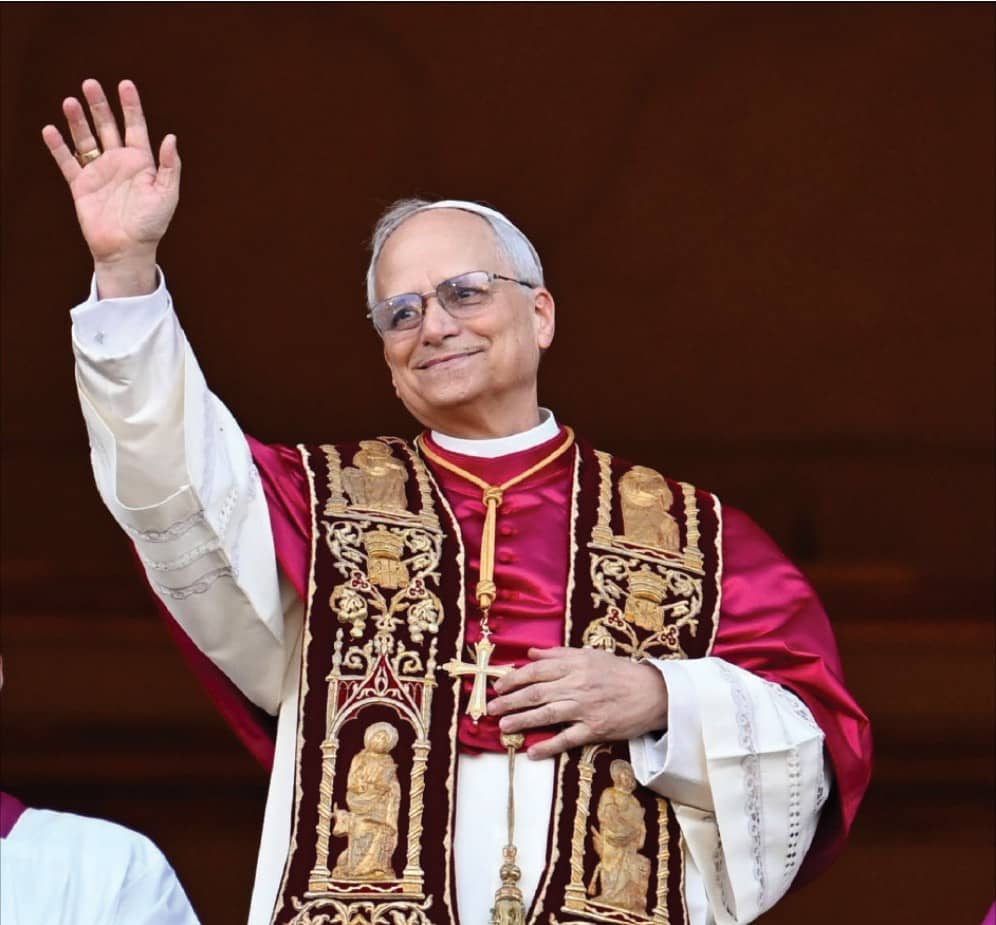
Pope Leo XIV remembered the occasion in his Angelus remarks on Sunday, commending the efforts of all those committed to ending the modern-day slave trade.
“I thank the religious and all those who are committed to combating and eliminating current forms of slavery,” Leo said. “Together with them,” he said, “peace begins with dignity!”
Speakers at the Dhaka event reflected on the life of St. Josephine Bakhita and discussed ongoing initiatives of Caritas Bangladesh to combat human trafficking across the country.
Bangladesh remains at Tier 2 on the U.S. Department of State’s Trafficking in Persons (TIP) watchlist, the middle ranking of a three-tier system used by the U.S. State Dept. to gauge compliance with anti-trafficking benchmarks outlined in U.S. law.
Tier 1 indicates full compliance, while Tier 2 indicates significant ongoing efforts and Tier 3 indicates general failure to meet standards.
On the plus-side, the 2025 TIP report from the U.S. State Dept. cited increased training on victim-identification guidelines and trauma-informed care for frontline officials in Bangladesh, as well as success in identifying greater numbers of trafficking victims and victim-referrals to protection services.
The report also noted, however, that the government of Bangladesh investigated, prosecuted, and convicted fewer traffickers and took inadequate steps to address internal trafficking crimes including sex trafficking and forced child labor.
Such crimes “remained pervasive” according to the 2025 TIP report.
“Labor inspectors severely lacked the capacity to adequately monitor informal sectors and hold companies accountable for labor violations,” the report said, while victim protection and reintegration efforts “remained insufficient, particularly for Rohingya refugees and returning Bangladeshi migrant workers.”
Over the last nine years, more than 723,000 mostly Muslim ethnic Rohingya refugees have fled Rakhine State in Myanmar, where they have faced often violent persecution for decades.
Pope Francis visited Rohingya refugees in Dhaka to highlight their plight in late 2017, when he visited Bangladesh as part of an Asian journey that also saw him in Myanmar.
According to the 2025 TIP report, the Bangladeshi government also “continued to permit set recruitment fees that rendered many migrant workers indebted, increasing their vulnerability to trafficking.”
The executive director of Caritas Bangladesh, Daud Jibon Das, told Crux his organization conducts anti-trafficking campaigns and raises awareness especially in border and coastal areas.
“Exploitation, torture, and trafficking are happening in various ways all over the world. Through our service, love, and care for our neighbors, we can prevent exploitation and trafficking from society,” Das said in his remarks on February 8.
Das said people living in vulnerable areas receive education and technical training from Caritas, so they become self-reliant and do not fall into the trap of human traffickers.
The international Talitha Kum consortium – which takes its name from the words Christ spoke to the young daughter of Jairus when he raised her from the dead, as recorded in the Gospel according to St. Mark (5:41) – is also present and active in Bangladesh.
Formally established in 2009 through the International Union of Superiors General as a global initiative against human trafficking and exploitation, Talitha Kum promotes collaboration among networks organized at national, regional and continental levels, actively supporting victims, survivors and people at risk.
The coordinator of Talitha Kum Bangladesh, Sister Josephine Rozario of the Salesian Missionaries of Mary Immaculate, said poverty is a driver of persistent problems including human trafficking, forced marriage, and child marriage.
“All these crimes are more organized in Bangladesh due to poverty,” Rozario said.
She said girls and boys from poor families are easily recruited by traffickers, while parents also want to arrange marriages for their daughters because they cannot afford to raise them.
Children and young people are trafficked both inside the country and abroad.
Talitha Kum Bangladesh is now working in schools, colleges, Catholic girls’ and boys’ hostels, and other professional youth organizations. They are also working to expand their network and are seeking more funds from donors to do so.