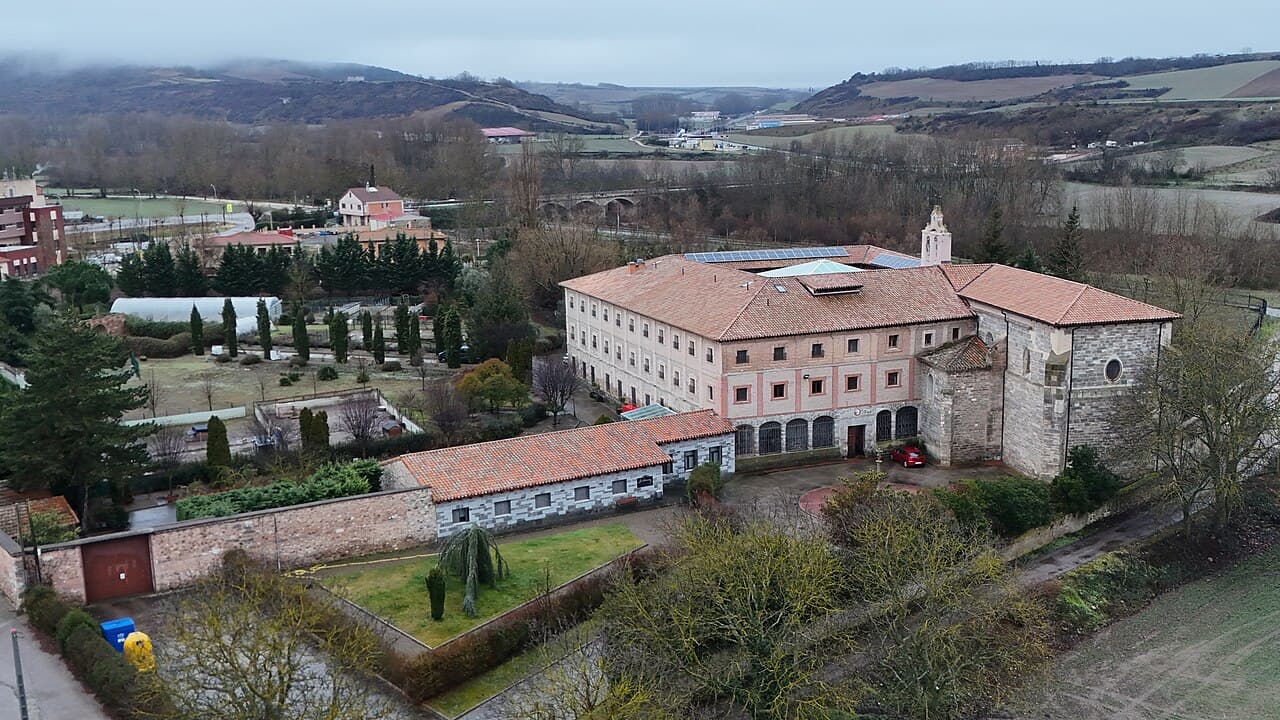
Seven women belonging to a schismatic group of nuns could face up to 12 years in prison for the mistreatment of five sisters aged between 87 and 101, who were under their care.
The Belorado nuns left the Catholic Church in 2024 and were excommunicated. Now, they are facing the prospect of Spanish justice for their treatment of the elderly sisters.
The former nuns are facing charges of abandonment, coercion, breach of trust, falsification of documents, degrading treatment and failure to provide assistance, with the Pontifical Commissioner making up part of the private prosecution.
Prosecutors are seeking up to 12 years in prison for the former Poor Clares who maintain their innocence, and released a public statement yesterday.
“Everything we are experiencing amounts to persecution and punishment for having defied ecclesiastical authority,” they said in reference to a lengthy legal process that saw them evicted from their monastery in Belorado, Burgos, after their excommunication.
The elderly nuns th accused are alleged to have criminally mistreated did not separate from the Church.
The former nuns also said that they are victims of a “witch hunt” and that they are facing the legal process with “serenity and confidence that justice will ultimately clarify what happened.”
Following their eviction from their convent in Burgos, in Castile and León, the nuns have split their time between Toledo and the Orduña monastery in the Basque Country.
Last December, Spanish authorities transferred the five elderly nuns from their premises in the Basque Country to a hospital, following a report that had raised issues around the sanitary and hygienic conditions in which they were living.
According to the court order seen by La Voz de Galicia, when paramedics entered the convent in Orduña, there were traces of excrement and urine, and the elderly nuns had not had their diapers changed, nor had they been given breakfast, medication, or been washed.
One of the hospitalised nuns was admitted with a respiratory condition and later died in January this year.
The accused nuns testified in court this February that they were innocent, saying they had “cared for” the nuns and treated them “with affection.”
“We’ve centered our schedules, our preferences around them,” the accused said, “and now they’re accusing us of mistreatment. We’ve come to deny it and see if anyone will listen to us.”
“We are exhausted. Of all the situations we are experiencing, this is the hardest because it affects the most central part of our lives, which was caring for our older sisters to whom we have dedicated our entire lives,” two of the group also stated in February.
As part of her investigation, the judge in the case found the elderly sisters had suffered “humiliating treatment” and believes the younger sisters opened joint bank accounts to use their pensions to pay for expenses unrelated to their care.
There are also suggestions that the excommunicated nuns thought that the vulnerability of the elderly nuns could be used as a deterrent to the eviction order.
Complicated legal past
The former Poor Clare religious announced their split from the Catholic Church in May 2024 and placed themselves under the care of a sedevacantist self-appointed bishop, and were excommunicated shortly after as a result.
The Church considered that the group had lost the right to use Church property, so an eviction lawsuit was filed by Archbishop Mario Iceta of Burgos, acting as the Vatican-appointed Pontifical Commissioner for the monasteries. The Court of First Instance and Preliminary Investigation in Briviesca eventually ruled in favour of the Church.
In March this year, the former nuns left the monastery shortly before the court-ordered eviction date.