European Union interior ministers held an emergency meeting on Tuesday to discuss the Ceuta crisis, which had raised tensions throughout the bloc last week and through the weekend, and saw the Spanish bishops condemning the use of migration as a “weapon.”
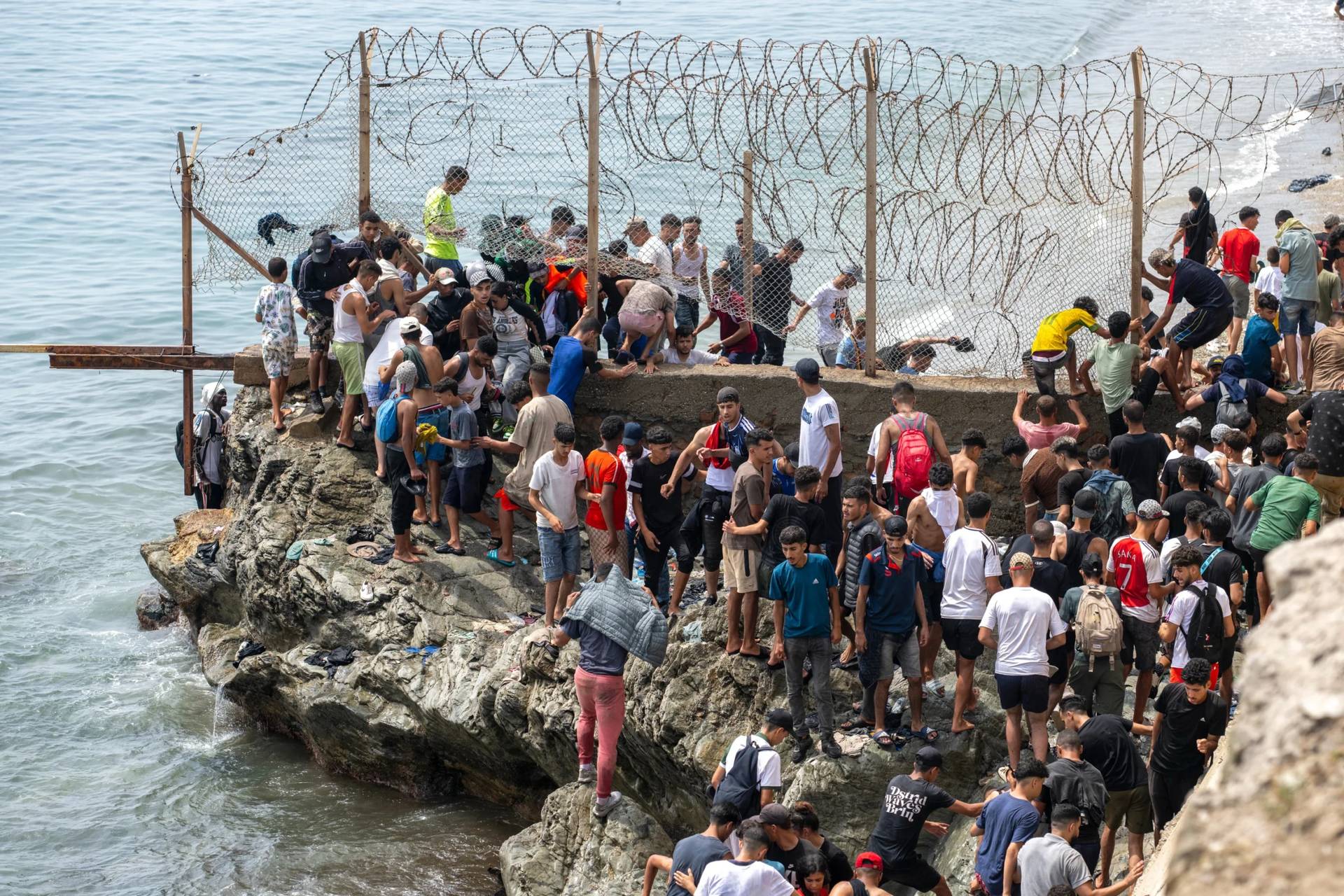
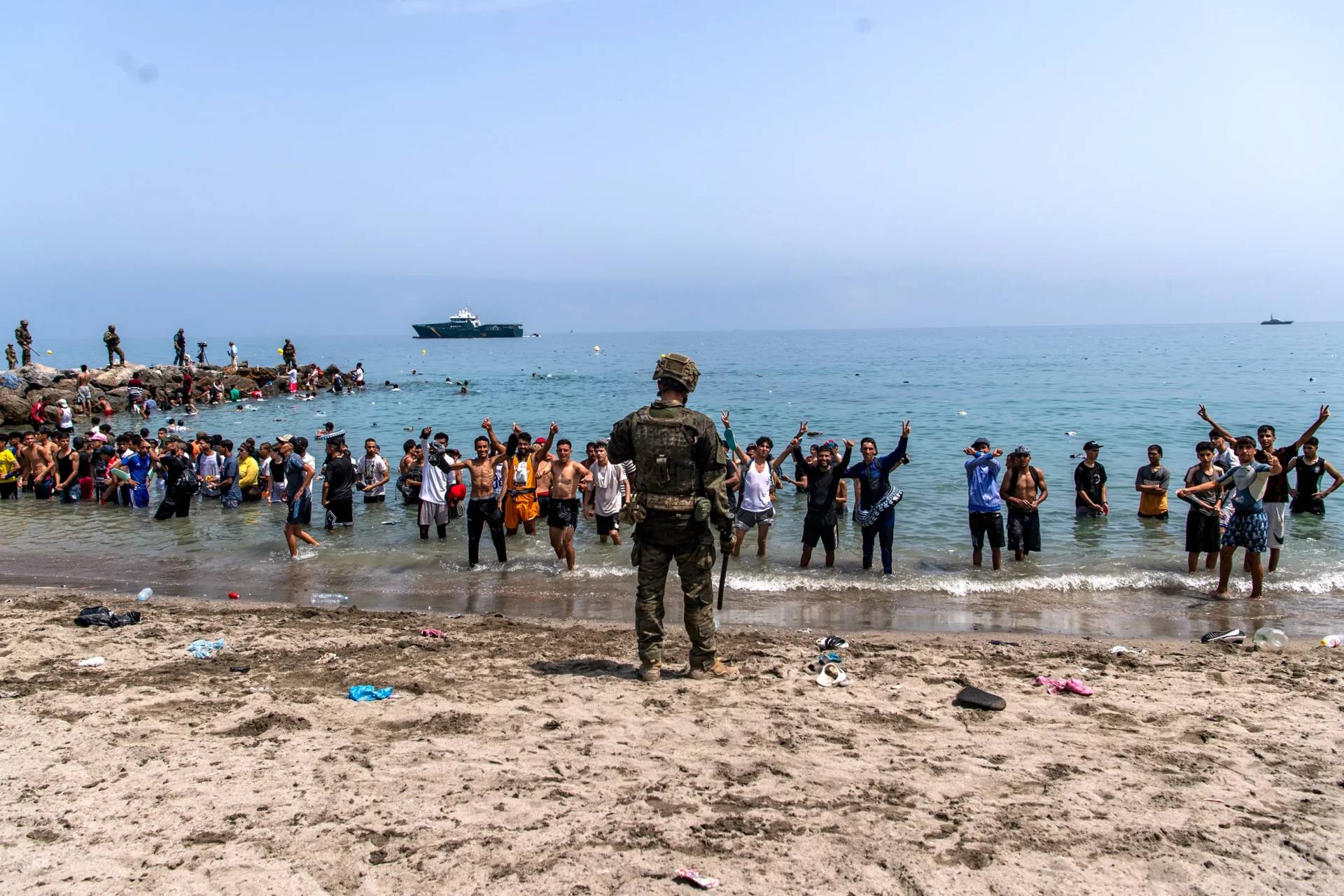
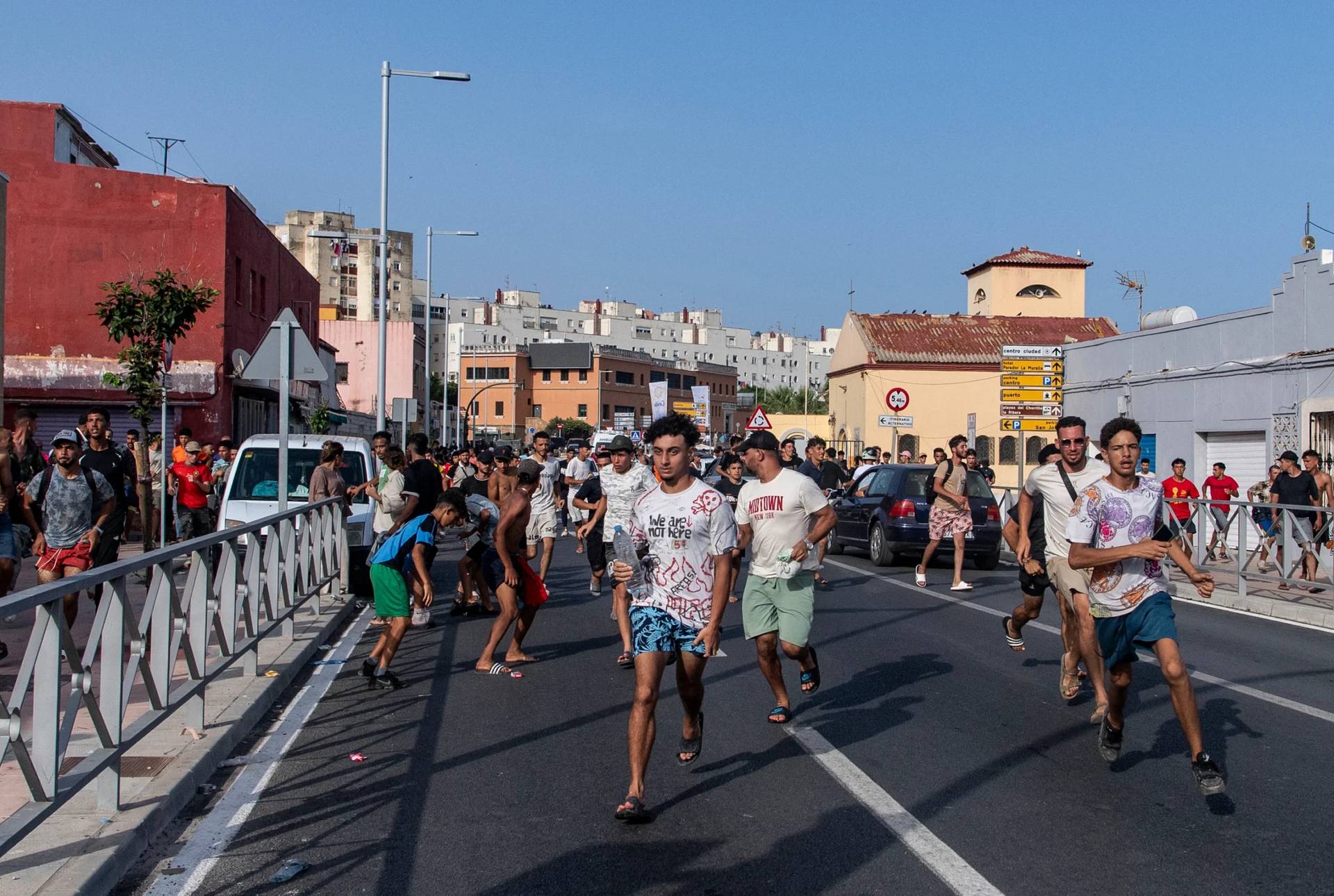
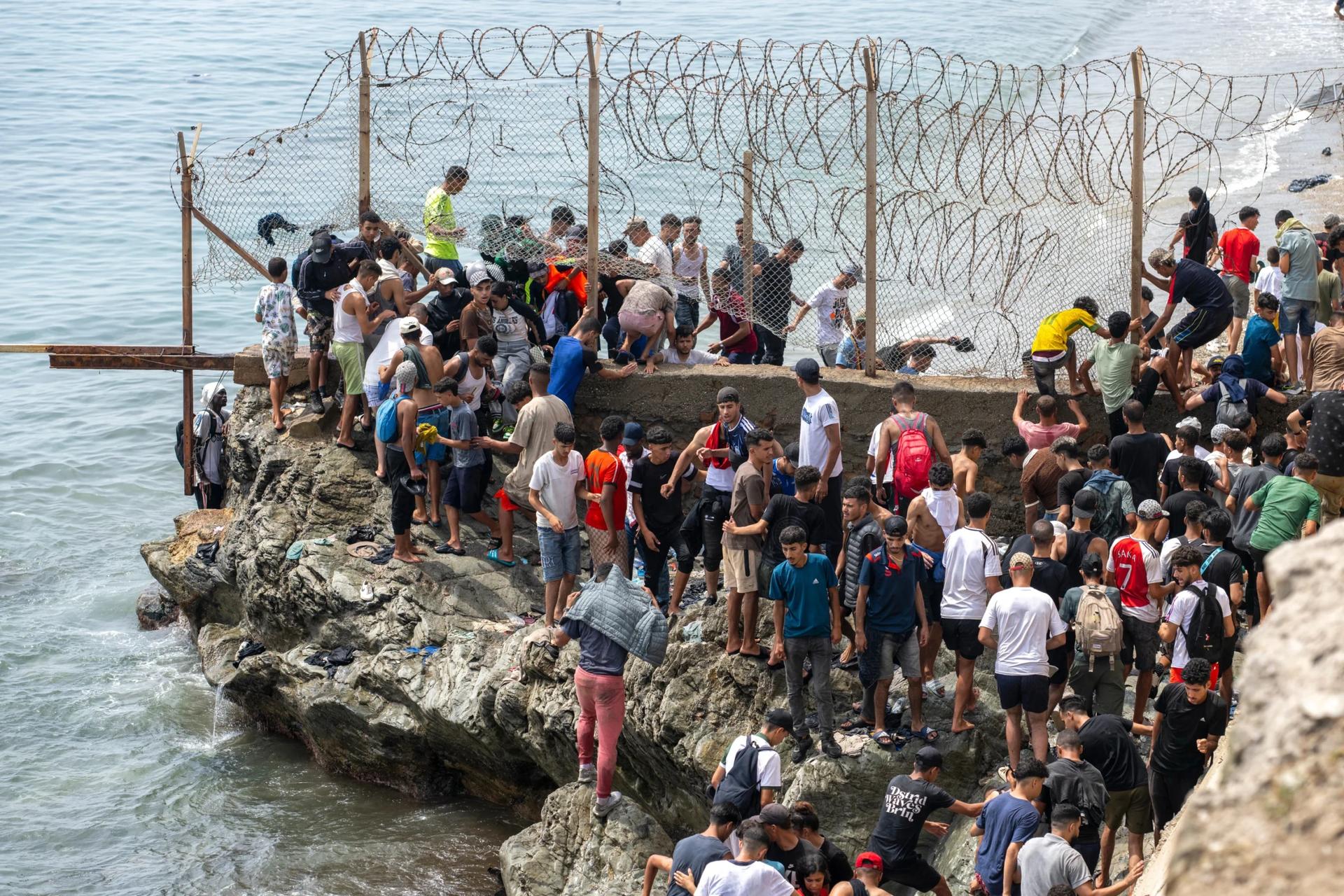
The emergency video conference followed the surge that saw more than 60 thousand migrants charge the frontier of the autonomous peninsular Spanish city on the North African side of the Strait of Gibraltar last week, and included a Spanish delegation and the European Commission.
At least 72 migrants perished during the surge between Thursday and Friday.
RELATED: Pope prays for Ceuta as city reels from mass migrant incursion
Spain’s government has come under heavy fire from other countries in the EU, with Italy temporarily suspending its borderless travel arrangement with Spain under the EU’s Schengen Agreement.
Spain’s socialist government is widely seen as having a more open – even permissive – immigration policy than many other EU nations, and in January of this year announced plans to grant legal status to potentially hundreds of thousands of persons already living and working in the country without authorization.
Further, critics also pointed to a recent court ruling that Spain cannot immediately return people who enter the country by swimming.
An EU official told Crux Now the meeting was “constructive,” and said member states “explained the reasoning behind their policy decisions, whilst at the same time looking for areas that could be further improved” in reference to the controversy that erupted in the EU following the weekend’s events.
“This process will now continue with further discussions on migration-related topics at the next formal JHA Council in October and the European Council that month,” the official added.
Jim O’Callaghan, Irish minister for justice, home affairs and migration said the EU “is united and stands ready to support Spain and protect our external borders from illegal migration.”
“We commend Spain for their swift response to the situation in Ceuta and extend our deepest condolences for the tragic loss of life. The EU’s external borders are our shared responsibility, and migration requires a united European response,” he said.
“Today’s meeting which I convened provided an important opportunity for member states to assess the tools already at our disposal, identify where further cooperation is needed, and advance our collective preparations ahead of the next ministerial meeting and the European Council in October,” he added.
Spain’s bishops respond
Since the crisis took place, the Spanish bishops have shared their opinions, with many of them warning against migration being used as a political weapon following rampant speculation about how and why the crisis took place.
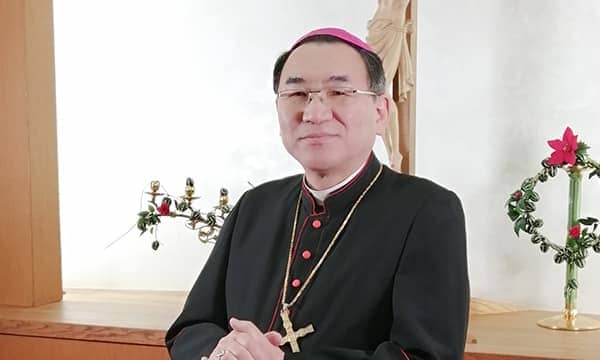
Archbishop Luis Argüello of Valladolid, and president of the Spanish Episcopal Conference (CEE), took to X on Aug. 2 to warn of the Ceuta “invasion.”
“Biopolitics is key to current global power. Life is toyed with, and people — their dreams, hunger, sexuality, and data — are exploited for the sake of profit and power,” he said.
“Migration is part of this strategy. The invasion of Ceuta is a test. Demography is a weapon,” the prelate added.
Bishop Xavier Gomez, OP, who is the official responsible for Migration and Interculturality for the Tarraconense Episcopal Conference, released a statement, saying Spain wasn’t “facing an ordinary migration crisis.”
“Therefore, we must honestly ask ourselves: who can benefit from this situation? It does not benefit the people who have thrown themselves into the sea, many driven by structural poverty, economic inequality, lack of work and the frustration of a blocked future in Morocco or in other African countries wounded by war or famine,” he said.
“Nor does it benefit the citizens of Ceuta and Melilla, to whom we want to express our solidarity, and who have the right to live in security, without shocks and with peaceful coexistence,” he added.
Echoing Argüello, Gomez highlighted the role of “those who use human mobility as an instrument of political pressure” and also “those who want to strain diplomatic relations with possible ‘hybrid threats’.”
Gomez finished by echoing the recent comments by Pope Leo XIV.
“Pope Leo XIV, in the Canary Islands, put evangelical words to this wound: ‘So many wounded lives arrive here, stripped of almost everything, but never of their dignity’,” Gomez said.
Father Fernando Redondo Pavón, director of the Department of Migration of the Spanish Episcopal Conference, warned the event shouldn’t be used as a “political weapon” to “criminalize migrants” or “stoke fear.”
Leo himself prayed on Sunday “that, through the intercession of Our Lady of Africa, solutions may be found to bring peace, stability and justice.”
A social media-driven surge
Also on Tuesday, the Associated Press reported “runaway online rumors” as a chief catalyst for the deadly surge.
The Moroccan interior ministry has also blamed the “exploitation of the digital sphere” and “the spread of misinformation,” and has said there is an open investigation into the spread of the rumors.
RELATED: Runaway online rumors sparked frantic rush by migrants to the Spanish territory of Ceuta
Spain’s foreign ministry last week also blamed online misinformation as a factor in the surge.
Ceuta officials said they had warned the Spanish government of a surge in arrivals before the massive crush on Thursday of last week, but the Spanish interior ministry said Monday that it had not received “any report or warning regarding the mass arrival of people in Ceuta.”
Spain’s interior ministry also praised Moroccan authorities for their cooperation in seeing most of the migrants returned to the Moroccan side of the border.
______
You are reading this Crux Now article for free. You can register for our free daily newsletter here, and you can become a Crux Now supporter for full access to all our premium content here. To find out more about why becoming a Crux Now supporter is a great idea, go here.