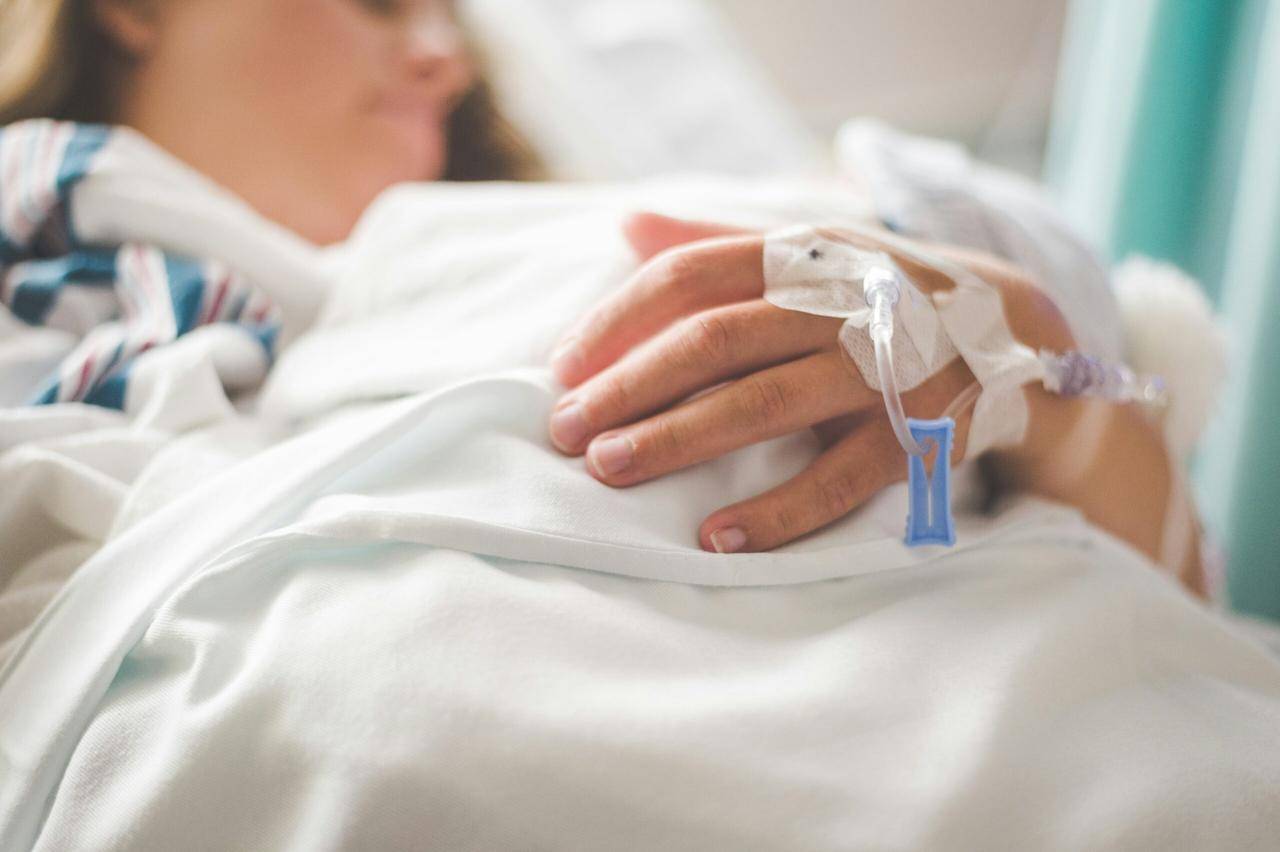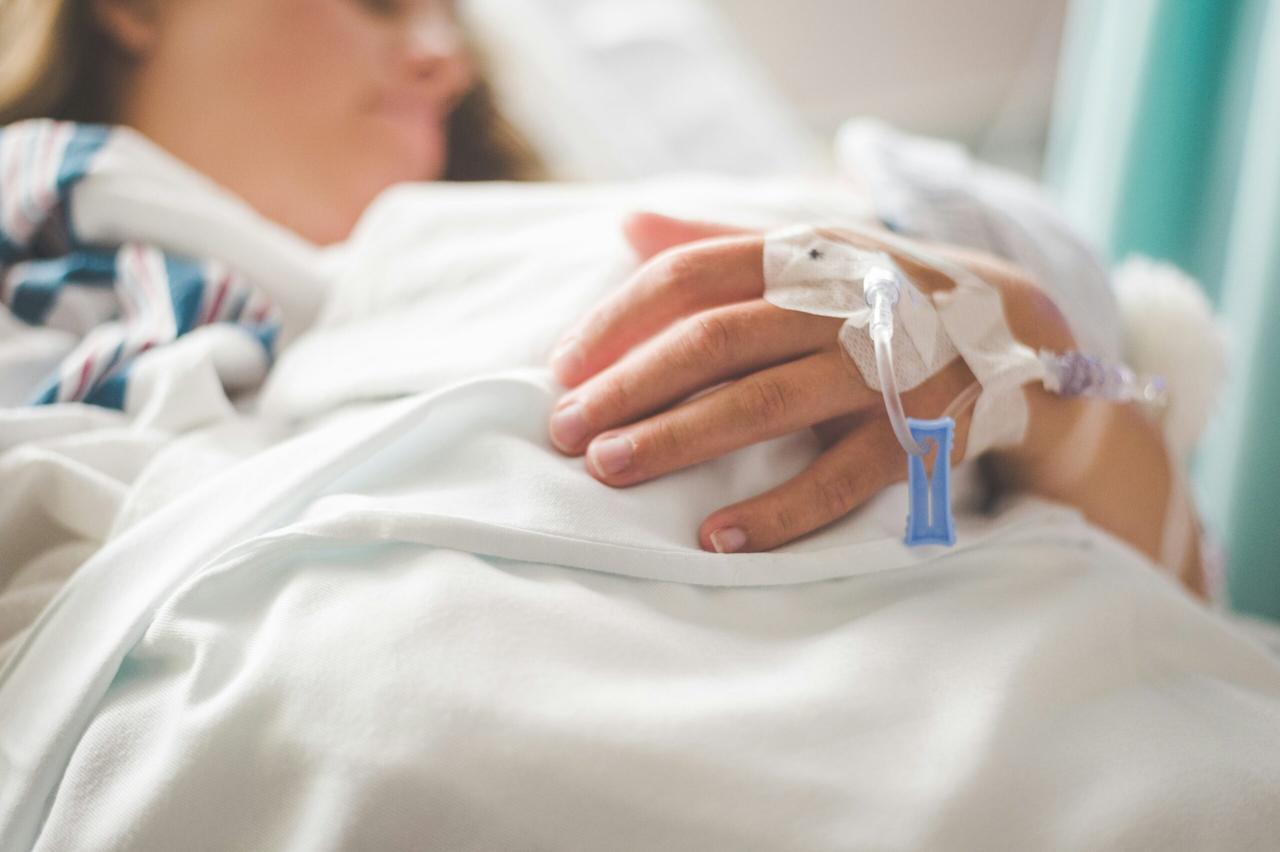
“No one is trying to kill you. You are in the hospital in Nottingham. We are here to help you.”
These are the words I heard almost exactly three years ago in Nottingham City Hospital, just after I had a pacemaker installed.
The medical practitioner was responding to me after I said, “Just go ahead and get it over with. Kill me. I am tired of waiting around for it.”
I am not too proud to admit that I was convinced they really were trying to kill me.
In early May of 2023, you see, I had a massive, severe cerebral hemorrhage stroke – that’s the technical term for it – and an unusual one.
It was unusual because it was caused by a mycotic aneurysm from infective endocarditis, likely triggered in the wake of another operation, relatively minor, which I’d had in February of that same year.
It was also unusual because I lived to tell of it.
I think about this because assisted suicide is again being debated in England, where I have lived for a decade.
The measure passed the House of Commons last year but died in the House of Lords.
Supporters of assisted suicide often argue that it allows people to “die with dignity.” The main group supporting the proposed legislation is called the Campaign for Dignity in Dying.
There is no such thing, not as the proponents of this bill imagine it – God help them – or say they do, as they take a beautiful word for a necessary thing, and turn it into a siren call.
It sounds sweet in some ears, like the song of the mythological creatures, whose voices would lead mariners to disaster.
I have no memory of what I am about to recount, but learned it from my caregivers when I began to return at long last to some semblance of myself.
I have been told I begged not to be taken back into the “stabby room” before my open-heart surgery, saying I preferred to die.
The open-heart surgery took place, by the way, a week after a vascular intervention. I’d been through it, though, to this day, I remember none of it.
I could see my chest after the surgeries, though, and it certainly looked like someone had tried to kill me; and the hospitals were also universities, and I was suspicious of the surprising youth of the staff.
I have very few memories, in fact, of the 2 ½ months I spent at hospitals in Nottingham. I was in two comas for weeks, and I was in a state of delirium when I was awake. I’m told that, during my periods of relative mental clarity, I said I preferred to die rather than to be insane.
I am glad the doctors had no legal means – at the time – to answer my supposed requests.
After my 2 ½ months in Nottingham, I spent 2 ½ months at hospitals in Leicester, and those I remember clearly.
I was unable to sit up and couldn’t even be put in a wheelchair. Daily, medical staff had to wash me with a piece of cloth, and I had to relearn how to eat, as I had been fed through a tube in my nose for months.
“Real food” can taste wonderful if you haven’t eaten for a long time, but your body isn’t used to it. Constantly vomiting on yourself and staff – having them wash it off and reclothe – wasn’t the worst part.
New foods can also cause other complications, especially if you have a persistent bacterial infection. Nearly every day, a staff member had to remove my waste from the bed, lift me, wash me, and give me new clothes.
It was humiliating.
I would apologize and break into tears, begging them for forgiveness for making them clean up my diarrhea.
“There is no need to say you are sorry,” I heard time and again, “you are not well.”
I must tell you – and I hope I have been so forthright as to earn your trust – that there were times when I wanted to die, or at least thought the world would be better off without me in it.
I am lucky.
By the time I got to Leicester, I could speak normally. When I left the hospital, I could walk normally. My recovery was “remarkable” and even “amazing” according to doctors.
Much of the time in the Leicester hospital was spent watching TV, since the actual stroke recovery wasn’t that important – most of my recovery was physical and involved learning to walk.
Others on that ward were never able to speak properly or walk again. Their lives were changed in ways my life was not.
“Death with Dignity” can be a powerful siren’s call.
One of the things I saw on TV was The Exorcist. A quote from Father Merrin (played by Max von Sydow) to Father Karras (played by Jason Miller) struck me: He was discussing what moves demons to possess an innocent girl – what “good” could come of it, from their point of view, what they “get” out of it.
“I think the point is to make us despair. To see ourselves as… animal and ugly. To make us reject the possibility that God could love us,” Merrin says.
It isn’t just demons.
Despair is what faces us when our bodies fail or betray us – they always will, given time – when illness brings us to face our mortality.
It is important that our doctors recognize and understand this, even if they are not religious, and that we recognize and understand it.
All of us will face death, one day – we are mortal – and when we do, we will still be people, even when we are without anything the proponents of the English bill and other similar measures around the world would recognize as “dignity.”
Especially, not then.
“No one is trying to kill you. We are here to help you.”
That is what everyone deserves to hear – needs to hear – every time, from all of us.
It is especially what they need to hear from their caregivers in the hospital – all of them – every time.
Follow Charles Collins on X: @CharlesinRome