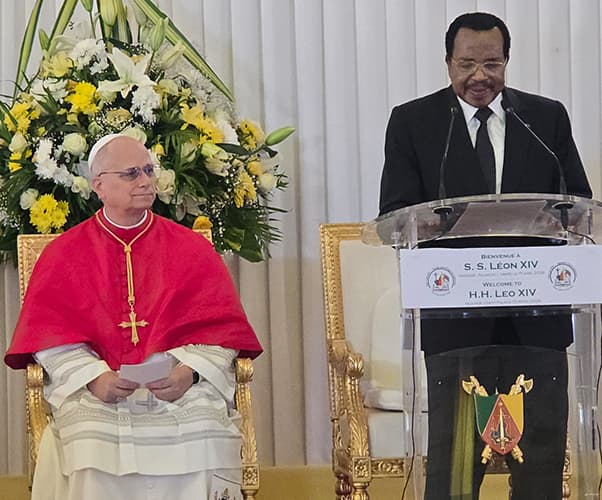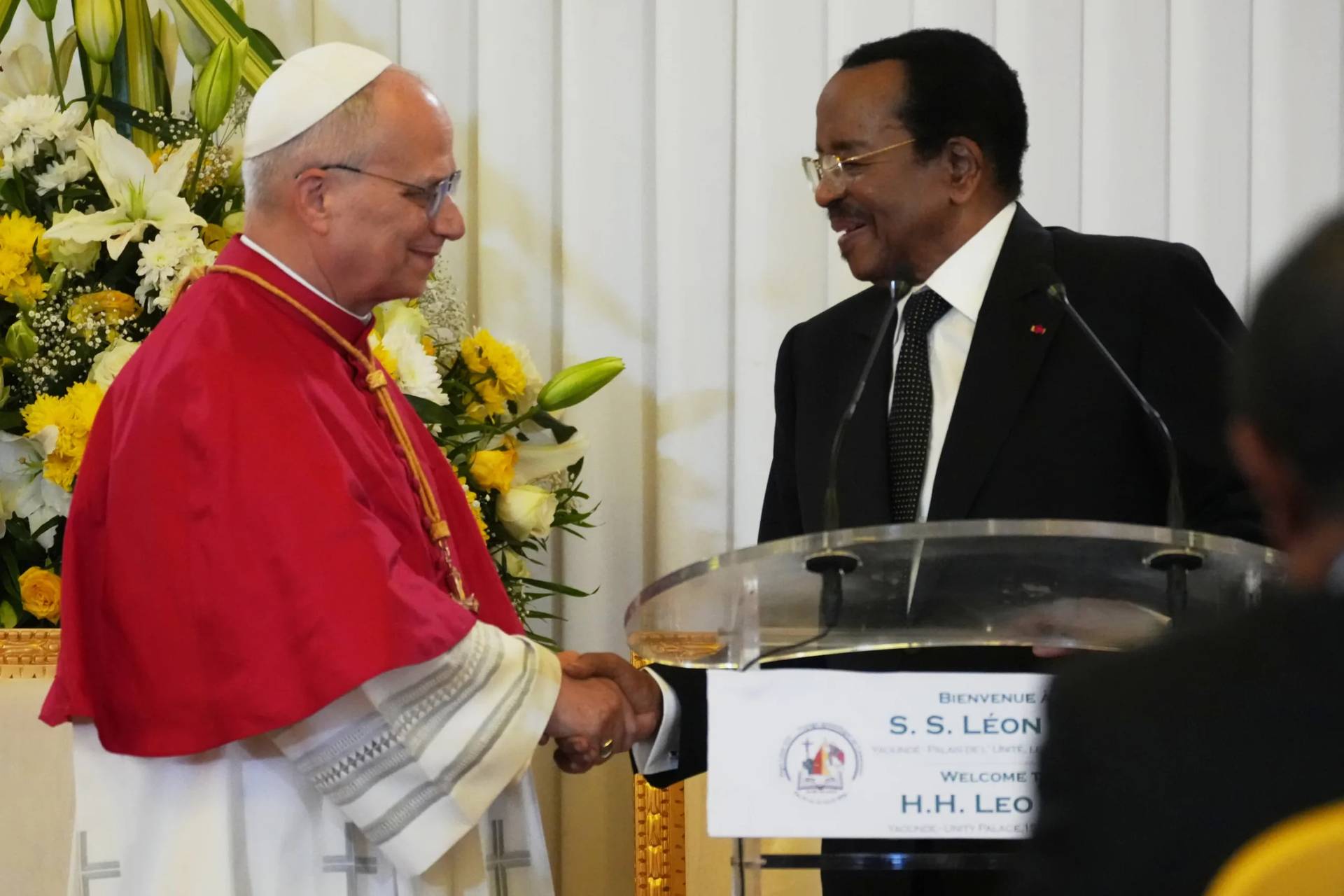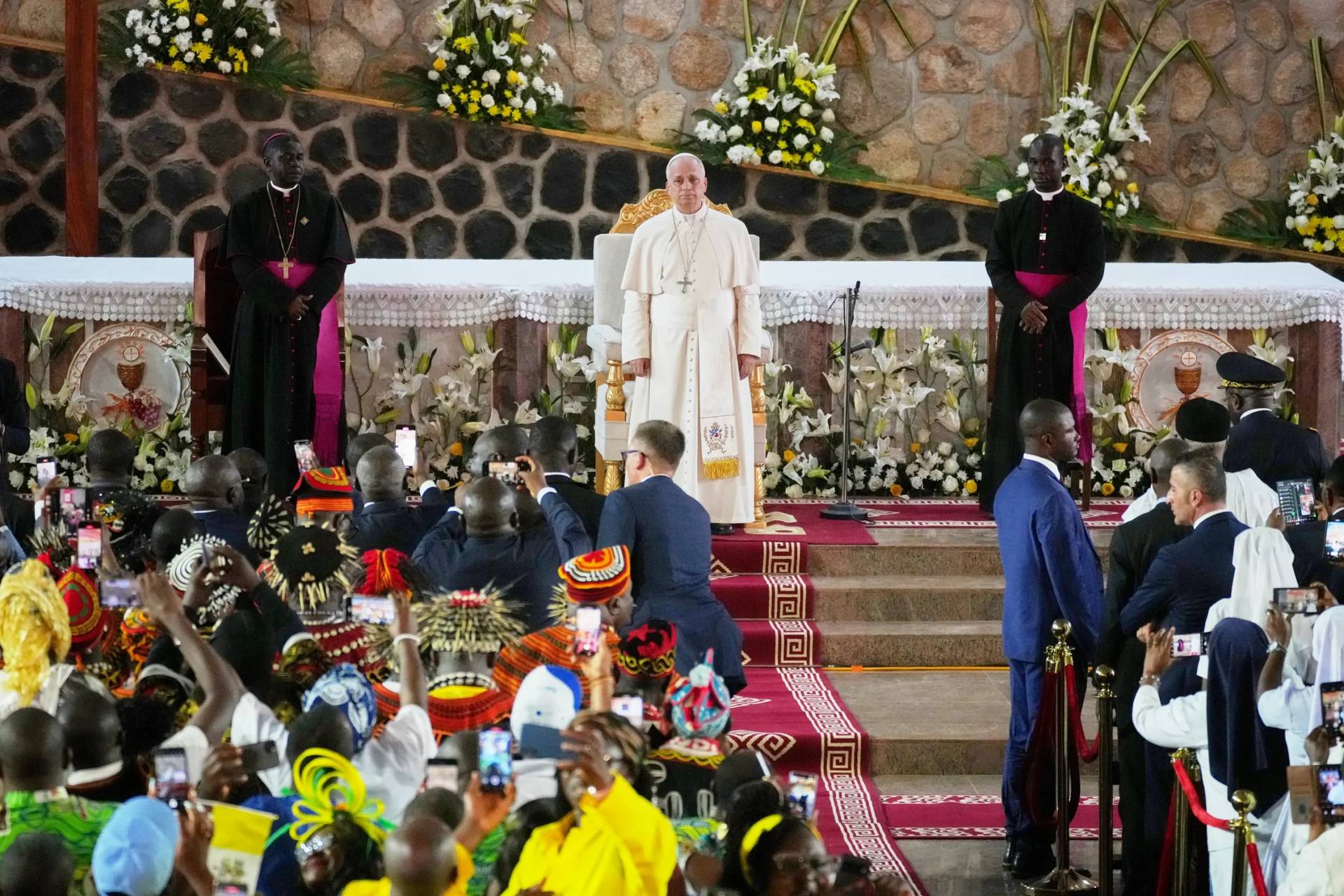
BAMENDA – In the first few months after Pope Leo XIV’s election last year, many observers described him as “boring” and thought his presumably long reign would be a slow and relatively unnewsworthy papacy.
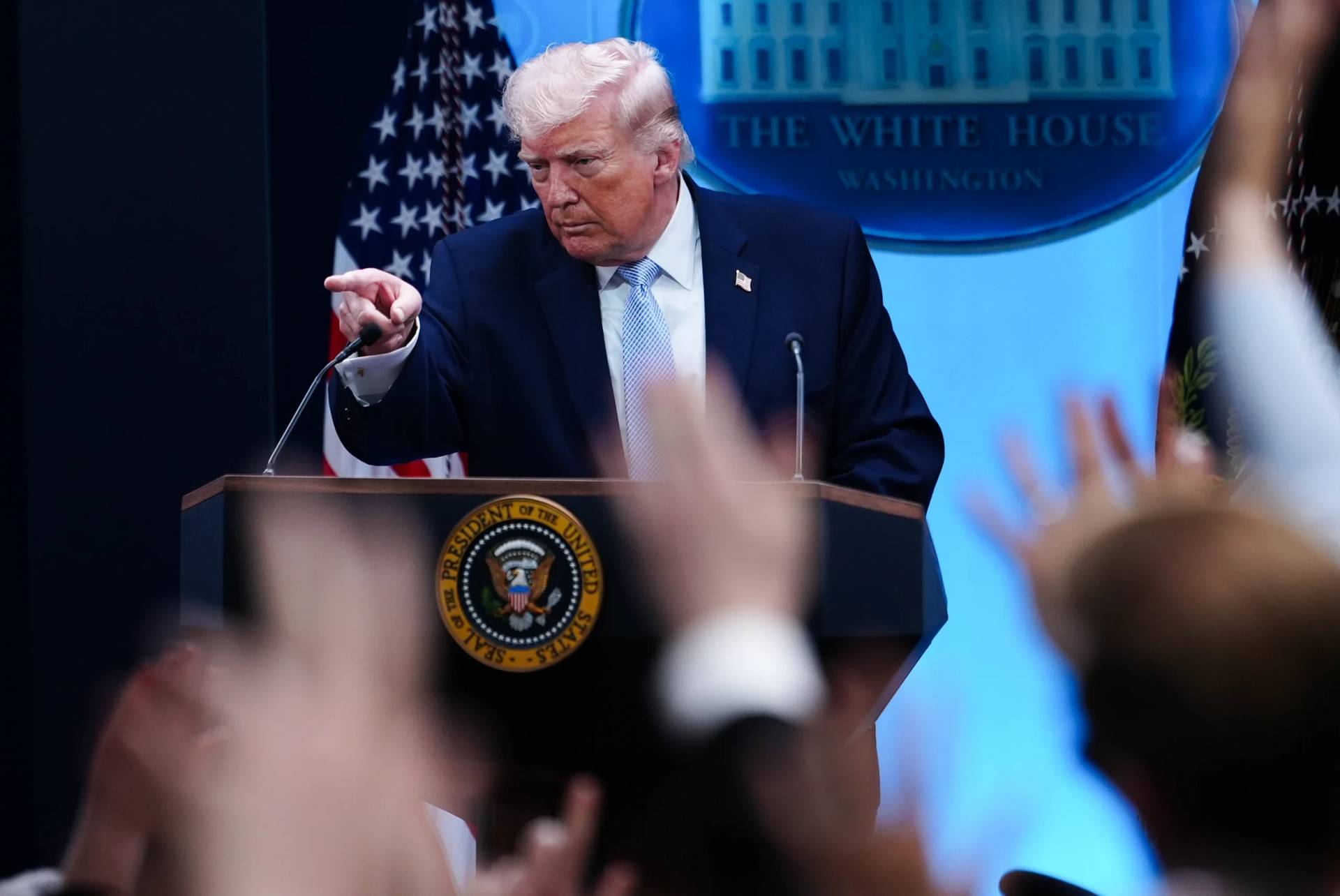
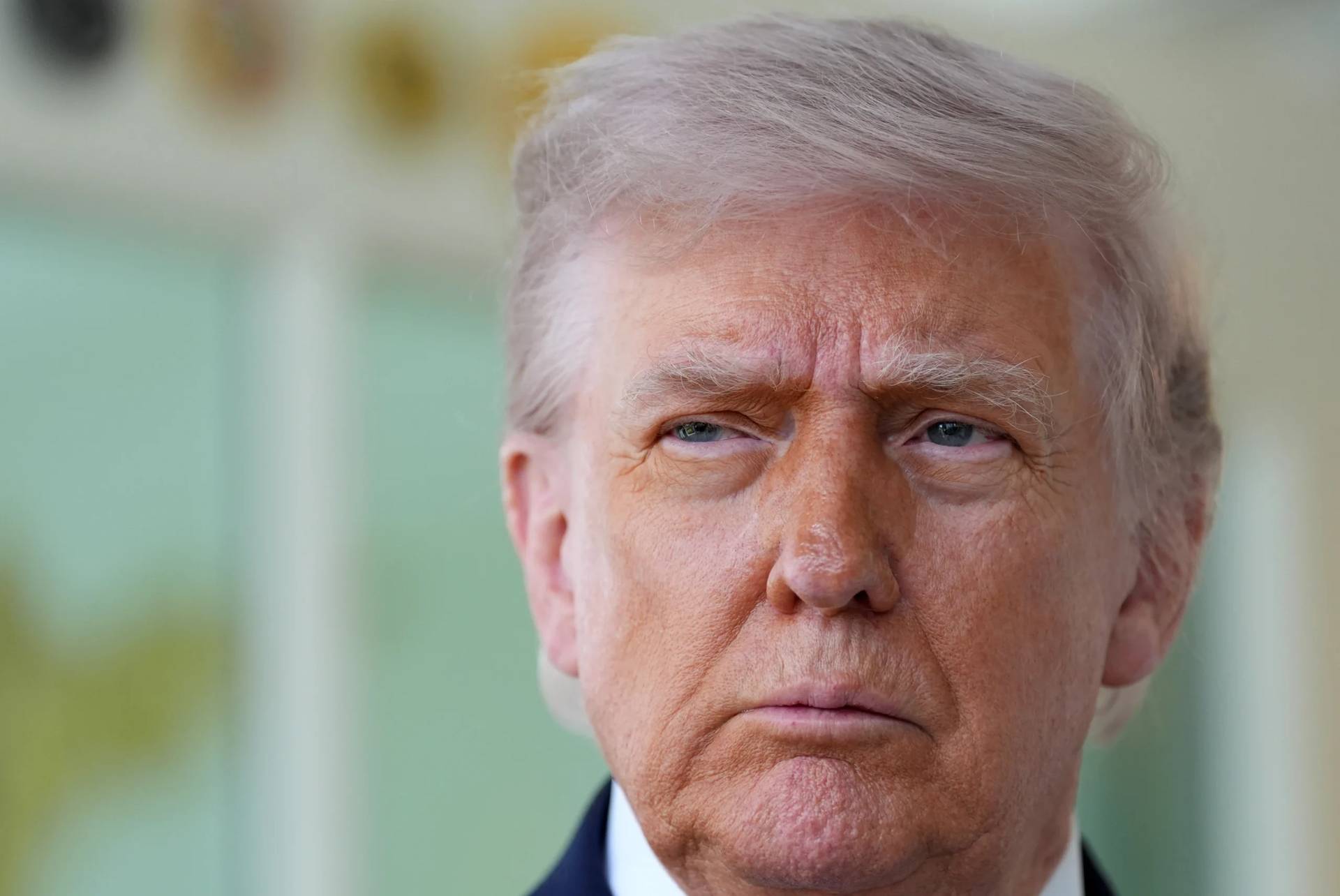
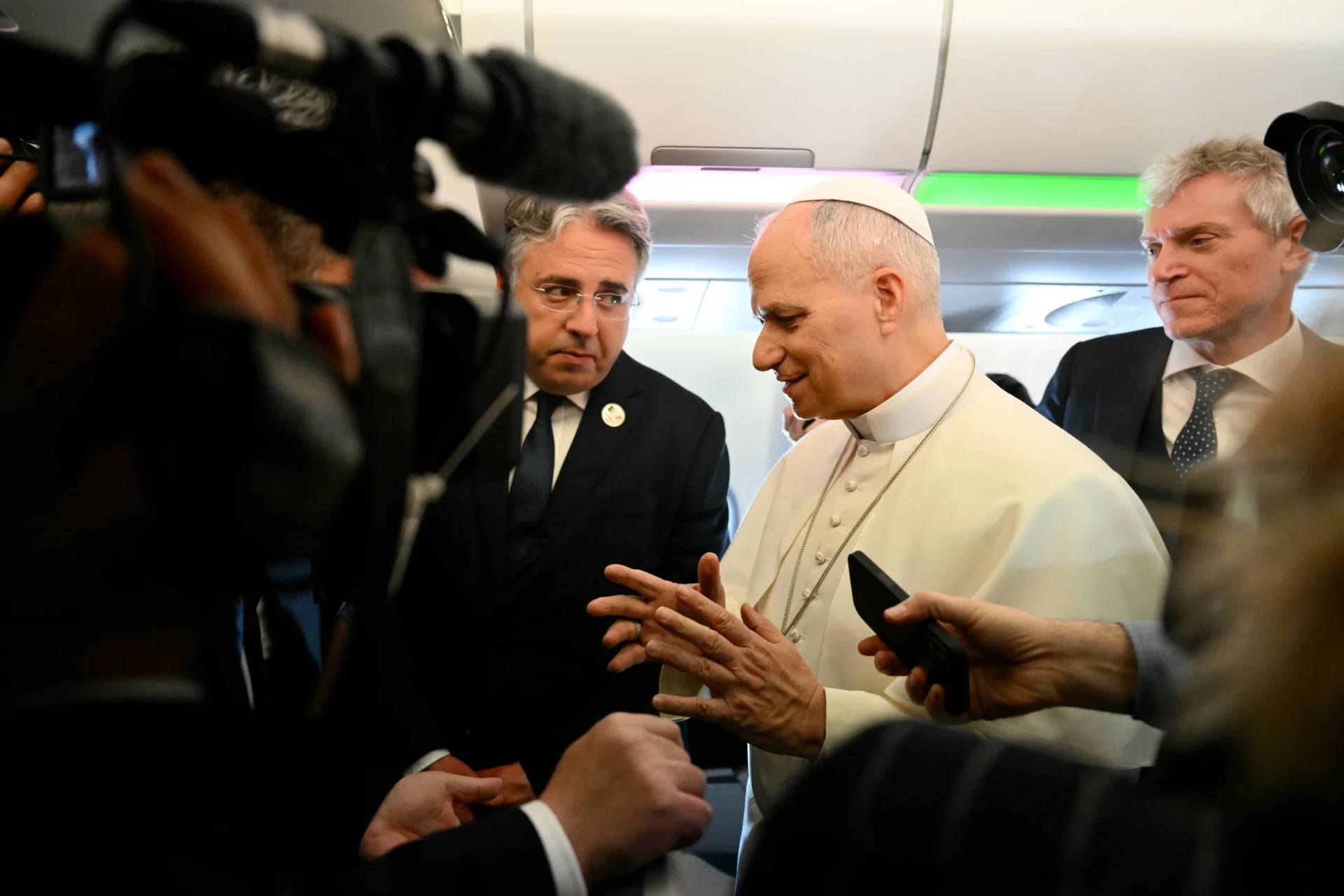
However, his ongoing odyssey to Africa has proven that presumption to be wildly wrong, as Leo hit back against a malicious outburst against him by United States President Donald Trump while setting off Monday, saying he has “nothing to fear” from the administration, and delivering a prolonged critique of corruption, attachment to power, and violent conflict.
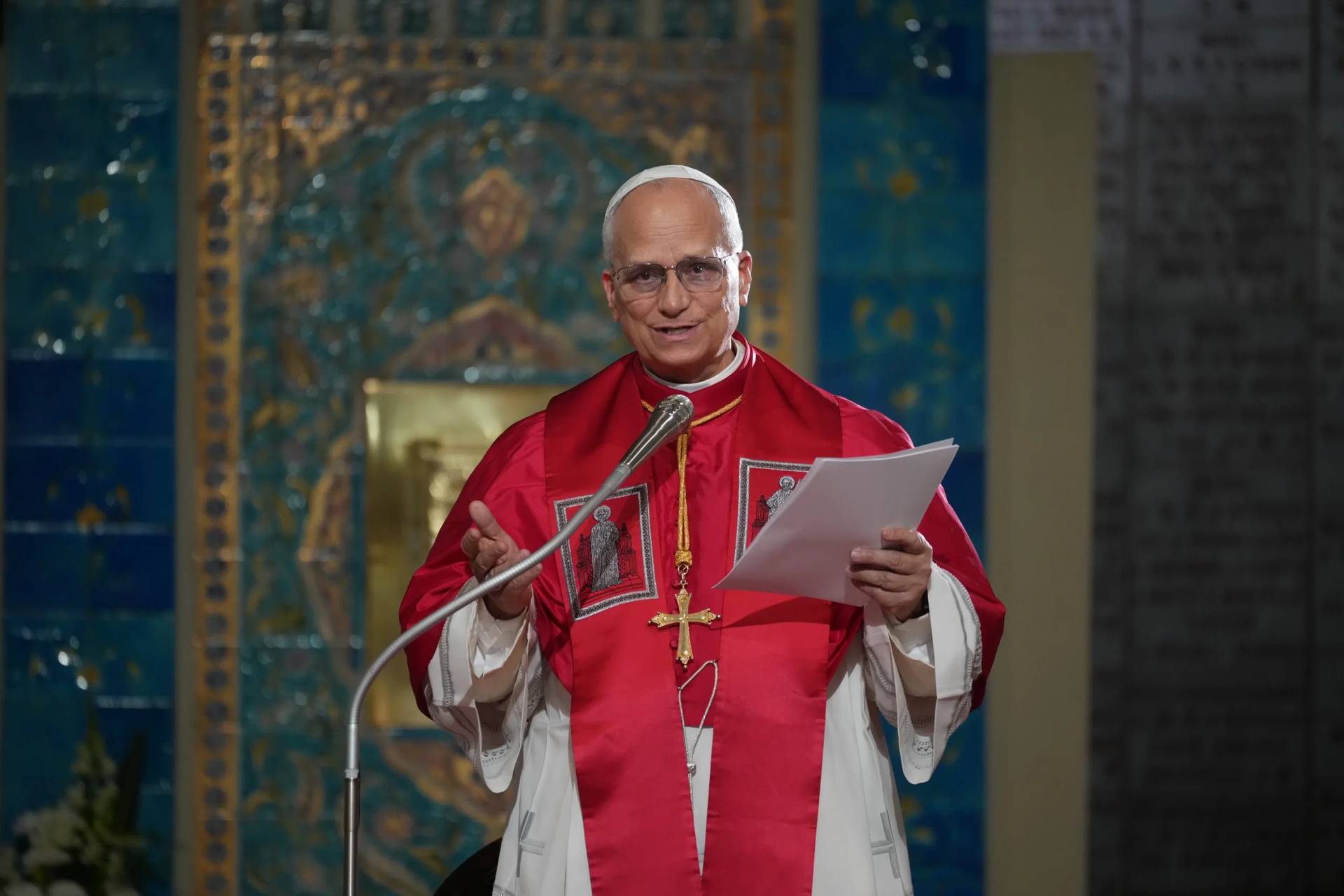
During an interfaith meeting for peace in Bamenda Thursday, Leo took it a step further, delivering a louder message even than his predecessor Francis, stinging in its clarity and condemnation of war and the “billions” spent on investment in the arms trade.
“The masters of war pretend not to know that it takes only a moment to destroy, yet often a lifetime is not enough to rebuild,” he said, speaking from the Cathedral of Saint Joseph in Bamenda April 16.
“They turn a blind eye to the fact that billions of dollars are spent on killing and devastation, yet the resources needed for healing, education and restoration are nowhere to be found,” he said,
Leo noted that the ones who rob Africa of its resources “generally invest much of the profit in weapons, thus perpetuating an endless cycle of destabilization and death.”
“It is a world turned upside down, an exploitation of God’s creation that must be denounced and rejected by every honest conscience,” he said, and called for a “decisive change of course” based on fraternity.
“The world is being ravaged by a handful of tyrants, yet it is held together by a multitude of supportive brothers and sisters!” he said, urging locals to be peacemakers and applauding efforts they have already made in this regard.
In yet another criticism of those who use religion to justify war and violence, the pope declared that, “woe to those who manipulate religion and the very name of God for their own military, economic and political gain, dragging that which is sacred into darkness and filth.”
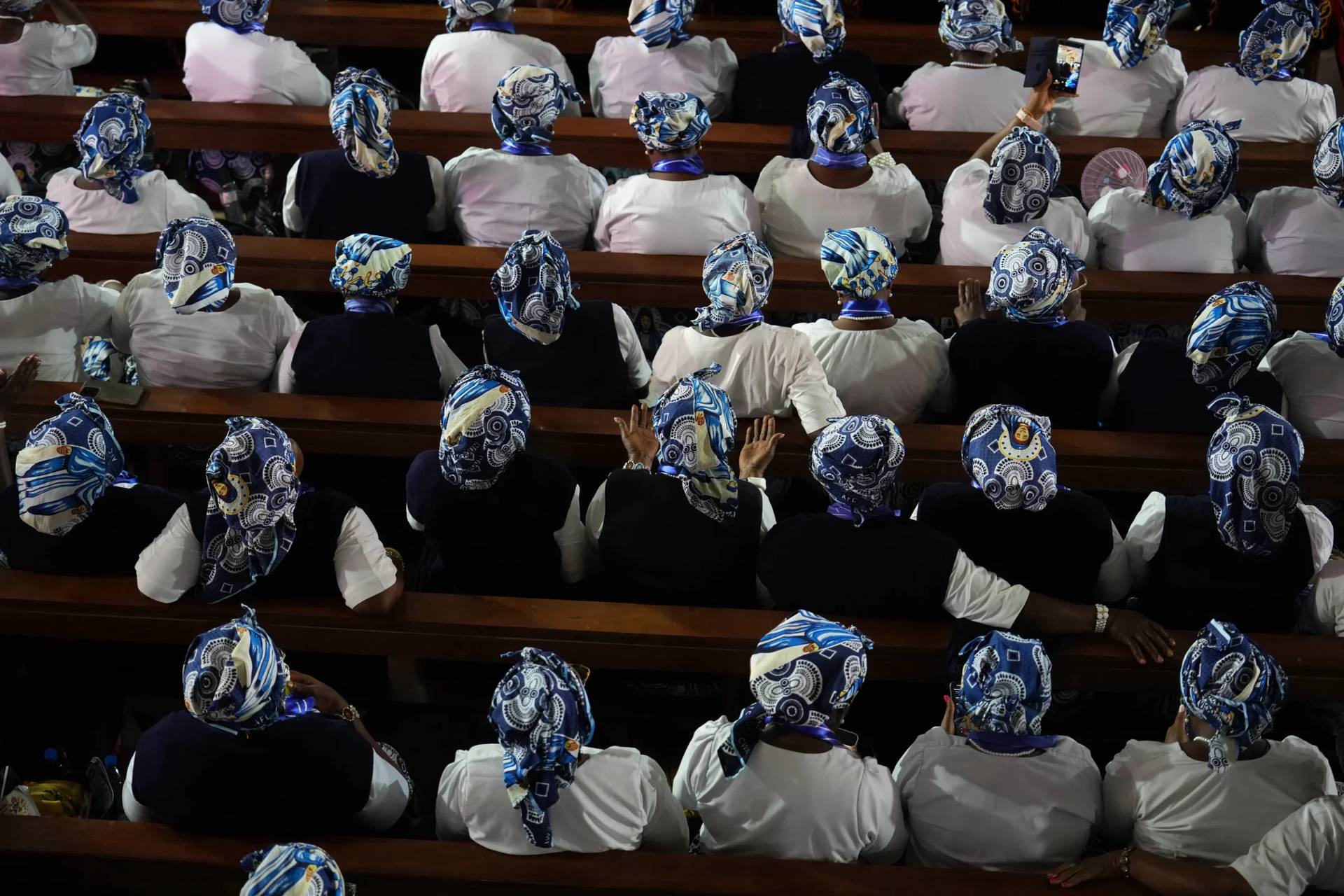
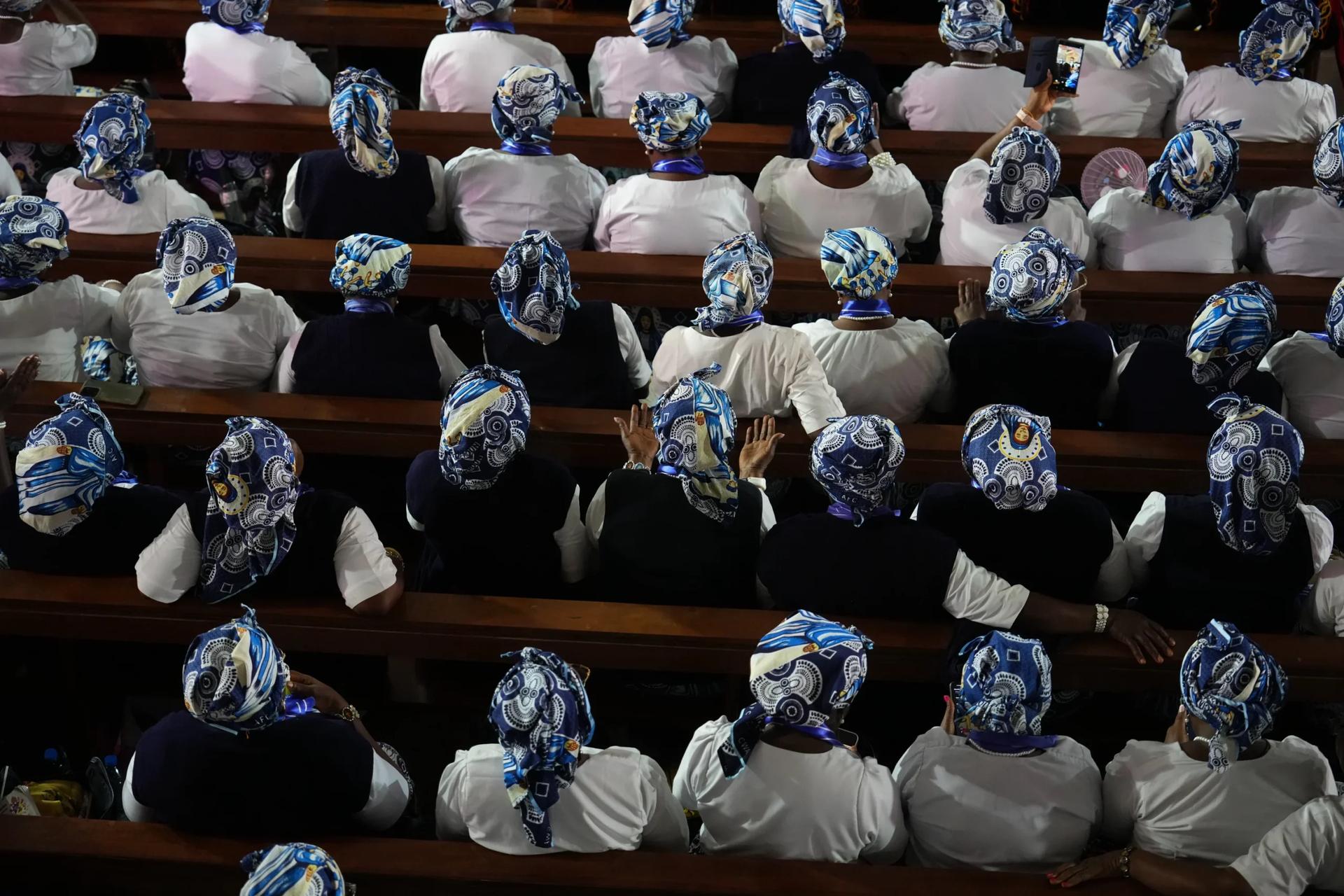
“Yes, dear brothers and sisters, you who hunger and thirst for justice, who are poor, merciful, meek, and pure of heart, who have wept — you are the light of the world!” he said, to thunderous applause.
A missionary and pastor
Pope Leo, a longtime missionary in Peru, is well-versed in the impact of political instability, poverty and violent conflict on a nation, having accompanied the Peruvian people in one of the darkest moments in the country’s recent history, in the so-called “lost decade” of the 1980s and also through the tumult of the 1990s.
As prior general of his order, he traveled extensively, visiting over four dozen countries during his 12-year mandate, including various trips throughout Africa, meaning he understands the continent’s challenges and the local realities well.
It is that missionary instinct that seemed to kick in once Leo touched down in Africa, against the backdrop of continual pointed criticism from Trump and even United States Vice President JD Vance, a recent convert to Catholicism.
While he appeared somewhat reserved still during his first international trip, to Turkey and Lebanon last fall, Leo, who told reporters on his flight to Algeria Monday that he’d wanted Africa to be his first trip, found his voice almost immediately, as his message is being monitored by the entire world thanks in part to Trump’s attention toward the pontiff.
A message of peace amid conflict
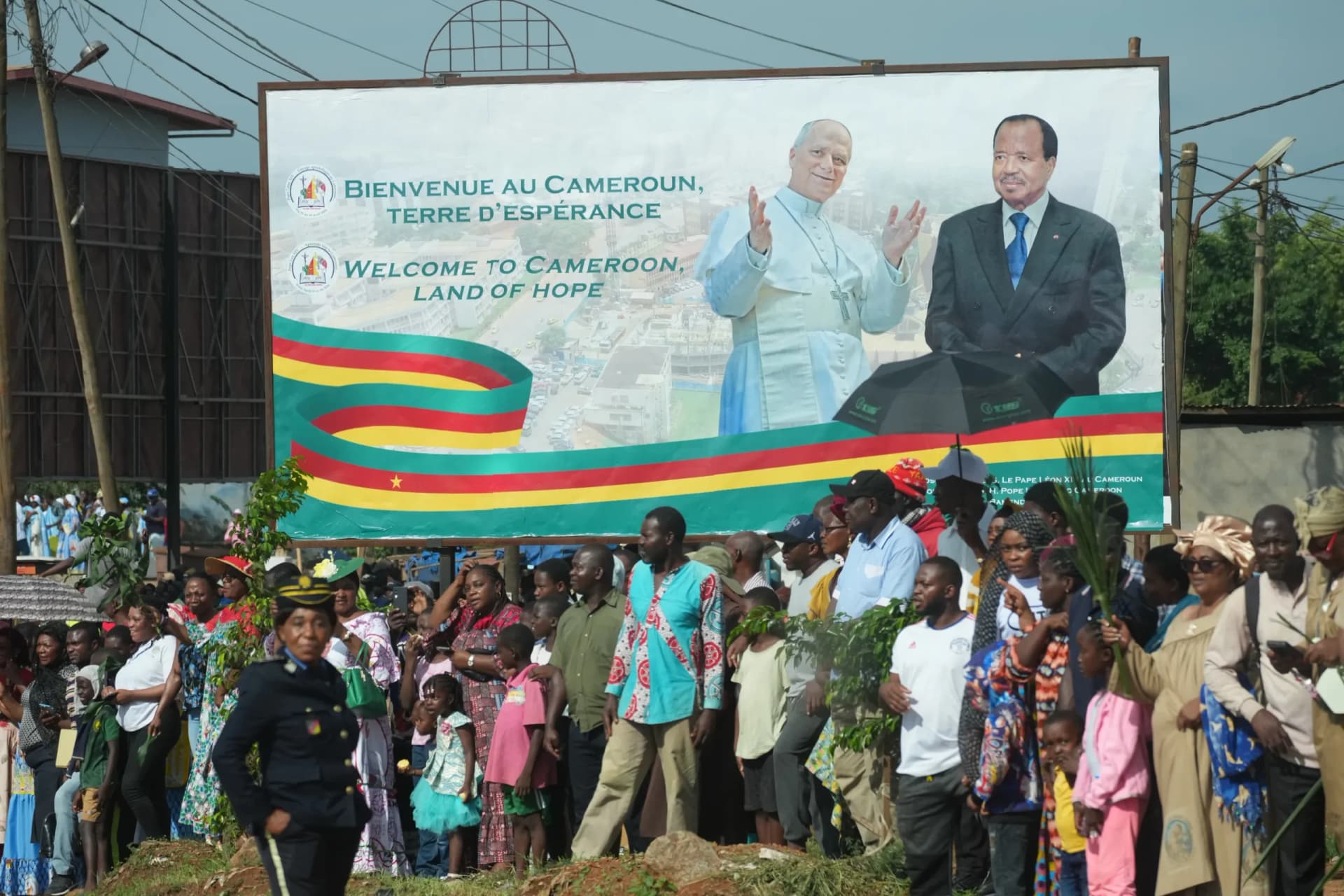
Pope Leo visited Bamenda primarily due to Cameroon’s drawn out Anglophone Crisis, which has been raging since English-speaking separatists launched a rebellion against the French-speaking government in 2017, largely due to perceptions of prejudice and marginalization.
Their goal is to break away from the French-speaking majority and establish an independent, English-speaking state. The fighting has so far claimed over 6,000 lives and has left more than 760,000 others displaced, according to the International Crisis Group.
Humanitarian groups have described the Anglophone Crisis in Cameroon as one of the world’s worst neglected conflicts, however, fighters imposed a 3-day ceasefire for the pope’s April 15-17 visit to Cameroon, allowing locals to attend his events in safety.
Leo in his address during the meeting for peace said the peoples’ suffering “has only made stronger your conviction that God has never abandoned us! In him, in his peace, we can always begin anew!”
“I am here to proclaim peace. Yet I find it is you who are proclaiming peace to me, and to the entire world,” he said, saying peace is not something that needs to be invented, but “embraced” as friends and neighbors.
To this end, he quoted Pope Francis’s exhortation Evangelii gaudium, in which Francis said, “My mission of being in the heart of the people is not just a part of my life or a badge I can take off.”
“It is not an ‘extra’ or just another moment in life. Instead, it is something I cannot uproot from my being without destroying my very self. I am a mission on this earth; that is the reason why I am here in this world,” he said.
Reiterating this statement, Pope Leo said person is called to walk together, according to their own vocation, in making concrete efforts as a community toward peace and reconciliation.
“You are witnesses to this silent revolution! Let us move forward courageously, without losing heart, and above all, together, always together!” he said.
A plea from the people
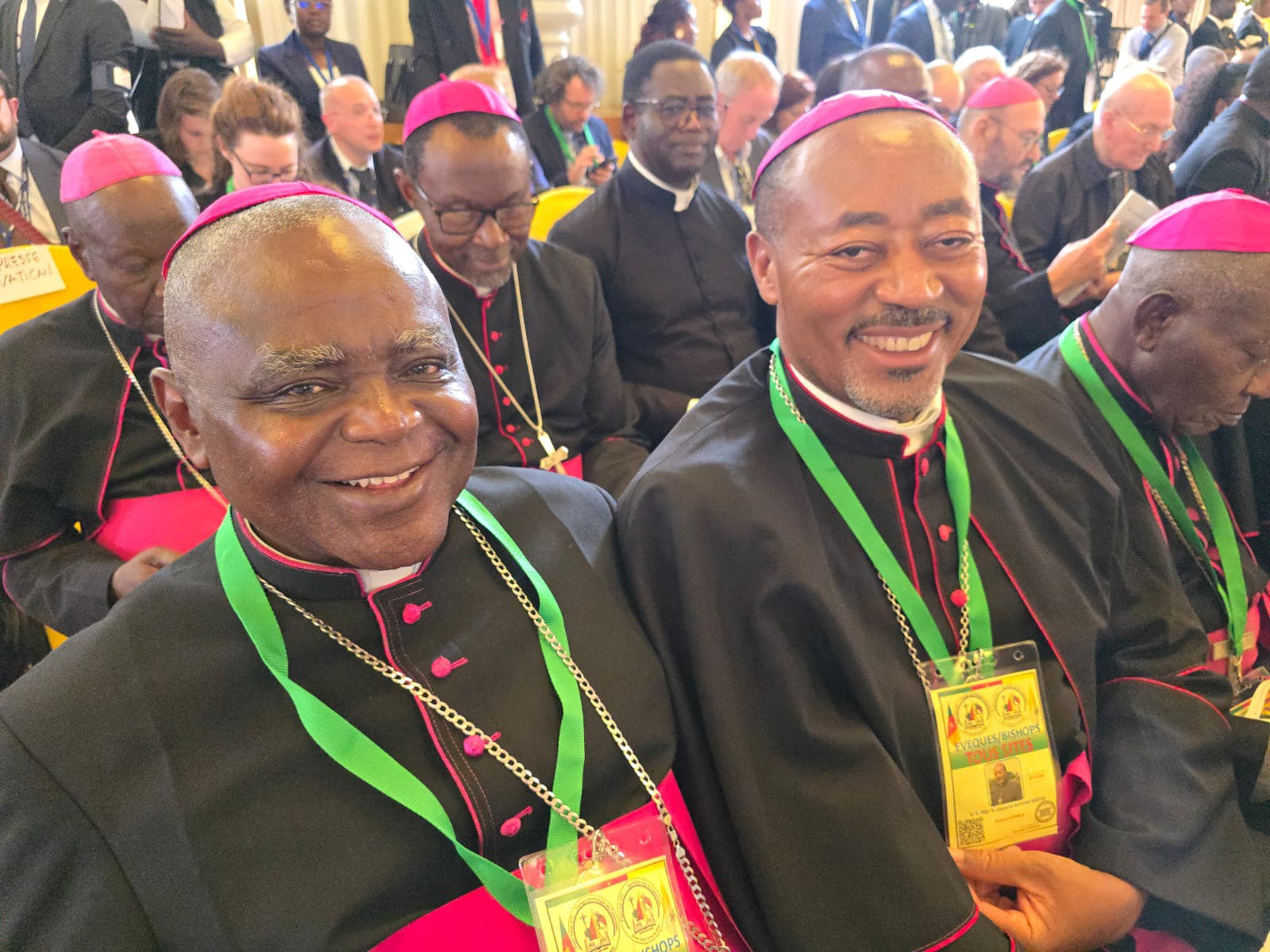
During the meeting, Pope Leo also heard heartfelt and impassioned please from the people calling for peace, including from Archbishop of Bamenda Andrew Fuanya Nkea, who said the pope’s visit comes when the local population “need your presence and your comfort the most.”
“We have seen a lot of suffering for the past eight years,” he said, but they are also happy, “because in this time of crisis, we see you as a messenger of Peace.”
“We see you as an ambassador of reconciliation; we see you as a promoter of justice; we see in you the presence of God Himself among us who has come to visit his people like the dawn from on high,” Nkea said.
The presence of the pope, even without words, is “a consoling presence, his blessings bring peace, and his words come like anointing on the wounds of those who are bleeding,” he said.
“We shall not waste the chance that your presence offers us to continue to work for peace and justice and reconciliation…we believe that your visit will not leave us to continue fighting but to start loving one another,” he said.
Pope Leo also heard four testimonies during the meeting, including one from the traditional paramount King of Mankon, Fon Fru Asaah Angwafor IV, whose father donated the land where the cathedral in Bamenda is built.
In his address, the king touched on the thorny issue of polygamy, a major issue in Africa, noting that traditional practices “not compatible with traditional values” have gradually disappeared “with education and civilization.”
To this end, he thanked Leo for the Synod of Bishops on Synodality, for which Francis asked the bishops of Africa to study polygamy, “and see how people in these situations can be integrated into the life of the church.”
“We are waiting for the results of that study, so that those traditional rulers and People who are in that situation, may be able to worship God freely in the church without being judged or rejected within the same Church,” he said, as the cathedral erupted in applause.
Right Rev. Fonki Samuel Forba, Moderator Emeritus of the Presbyterian Church in Cameroon, spoke in representation of the Protestant, Anglican and evangelical communities in Cameroon about ecumenical and interfaith dialogue in the midst of the area’s conflict.
Christians and Muslims have brought interfaith communities, including Muslims, together, he said, noting that “Persecution and suffering knows neither faith, nor race, nor language nor color.”
“The human person who undergoes suffering is in need of comfort and the human being who is in war needs peace, no matter his creed,” he said, and underlined local efforts in dialogue.
Forba called the Anglophone Crisis “one of the forgotten crisis on the planet earth,” but voiced gratitude that the Vatican is shedding light on it, and the trauma of those who have suffered.
“We therefore appeal to you, Most Holy Father, to use your good offices in any way to help us find a lasting solution to this conflict,” he said.
Similarly, the pope also heard testimonies from the imam of the Buea Central Mosque, who spoke of positive interfaith relation sand voiced gratitude that so far, the conflict in Bamenda “crisis has not degenerated into a religious war.”
Leo also heard from a nun who works with victims of violence, noting that she herself was kidnapped for three days before being freed, and from a family who was displaced by the conflict.
A commission to be peacemakers
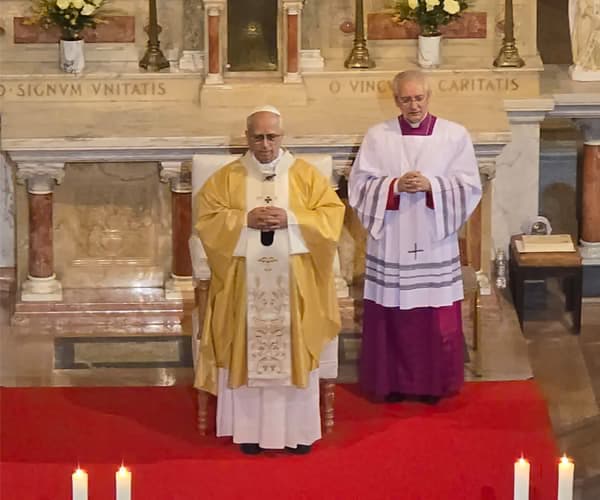
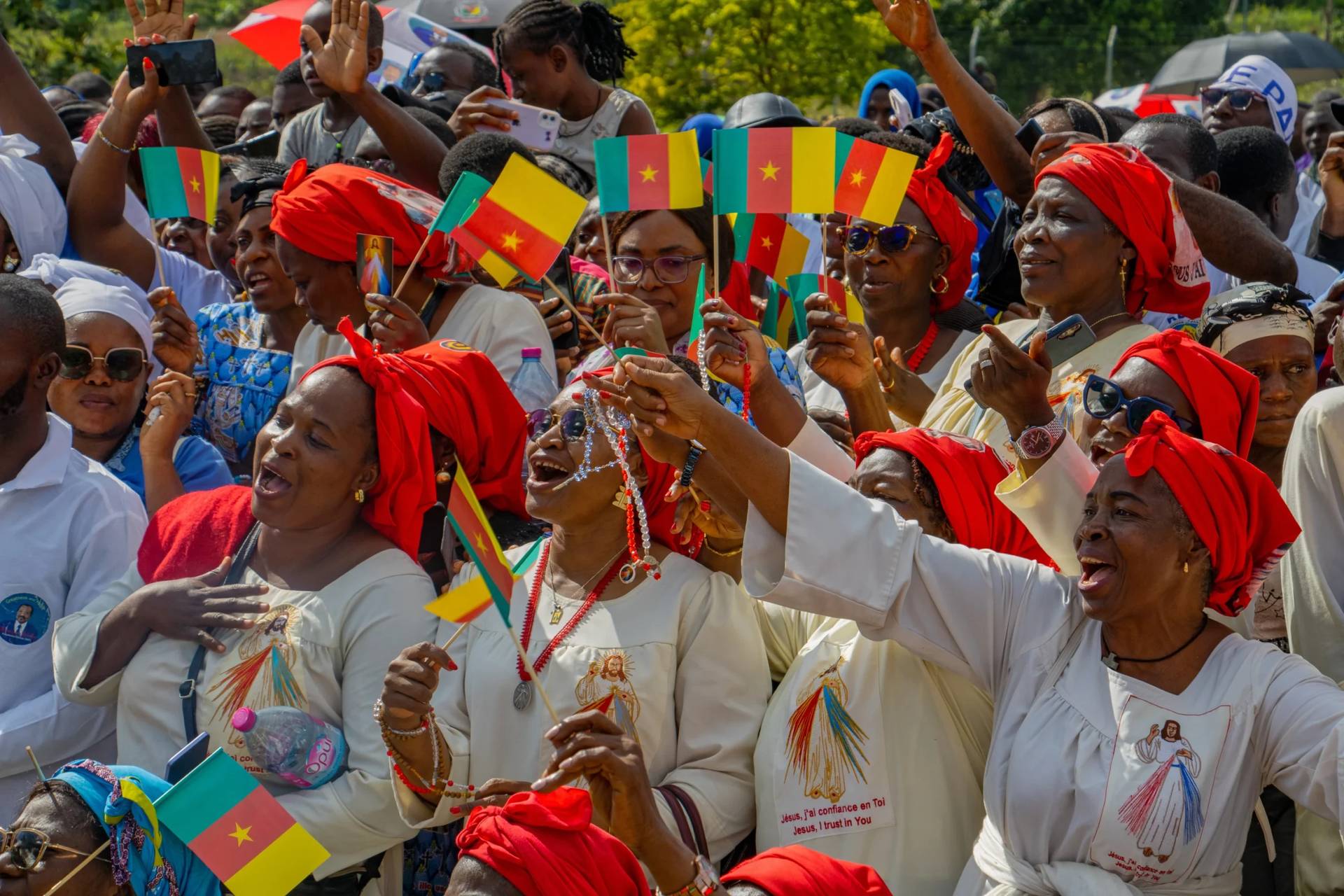
Pope Leo closed his daytrip to Bamenda celebrating Mass at the city’s airport, which had previously been shut down due to fighting in the area, offering a message of consolation amid suffering.
“There are many situations in life that break our hearts and plunge us into sorrow,” he said, lamenting the impact of war on the people.
He lamented that the hope for “a future of peace and reconciliation, in which the dignity of every person is respected and their fundamental rights guaranteed, is continually disappointed by the many problems afflicting this beautiful land.”
Leo pointed to various crises that afflict the area, including poverty, inadequate healthcare, the lack of education, and displacement.
He also condemned the proclivity of “moral, social and political corruption, seen above all in the management of wealth, which hinders the development of institutions and infrastructure.”
In this regard, the pope issued a searing condemnation of the exploitation of Africa by foreign extractive industries, saying that in addition to Cameroon’s internal troubles, “is the damage caused from outside, by those who, in the name of profit, continue to lay their hands on the African continent to exploit and plunder it.”
While many might feel powerless in this situation, the time has come to transform the country, “today and not tomorrow, now and not in the future,” he said.
Pope Leo urged locals to work “to restore the mosaic of unity by bringing together the diversity and riches of the country and the continent,” saying only in this way will it be possible “to create a society in which peace and reconciliation reign.”
Facing a drawn-out crisis with little prospect for immediate change, the pope encouraged locals not to give into apathy, saying God “is capable of stirring our hearts, of challenging the normal course of events to which we so easily risk becoming accustomed, and of making us active agents of change.”
“Let us remember this: God is newness, God creates new things, God makes us courageous people who, by confronting evil, build up the good,” he said.
Condemning the wrong being done, becoming “voice of conscience, a prophecy, a denunciation of evil,” is the first step toward change, he said.
“In fact, obeying God is not an act of submission that oppresses us or nullifies our freedom; on the contrary, obedience to God sets us free, because it means entrusting our lives to him and allowing his word to inspire our way of thinking and acting,” he said.
In this sense, Leo stressed obedience to God over human rulers and “earthly ways of thinking” in promoting goodness, peace, and fraternity.
God alone, he said, is capable of offering “consolation for broken hearts and hope for change in society are possible if we entrust ourselves to God and his word.”
This implies an inculturation of the Gospel, while also guarding against misrepresentations of the faith, “so as not to fall into the trap of mixing the Catholic faith with other beliefs and traditions of an esoteric or Gnostic nature, which in reality often serve political and economic ends,” he said.
“Only God sets us free; only his word opens paths to freedom; only his Spirit makes us new people capable of changing this country,” the pope said.
Pope Leo closed his homily assuring of his prayer and offering his blessing, especially for “the many priests, missionaries, religious and lay people who all work to be a source of consolation and hope.”
Follow Elise Ann Allen on X: @eliseannallen