ROME – Experts in healthcare and sustainability participating in a Vatican conference this week have condemned growing income gaps as contributing to global inequalities in access to and quality of healthcare.
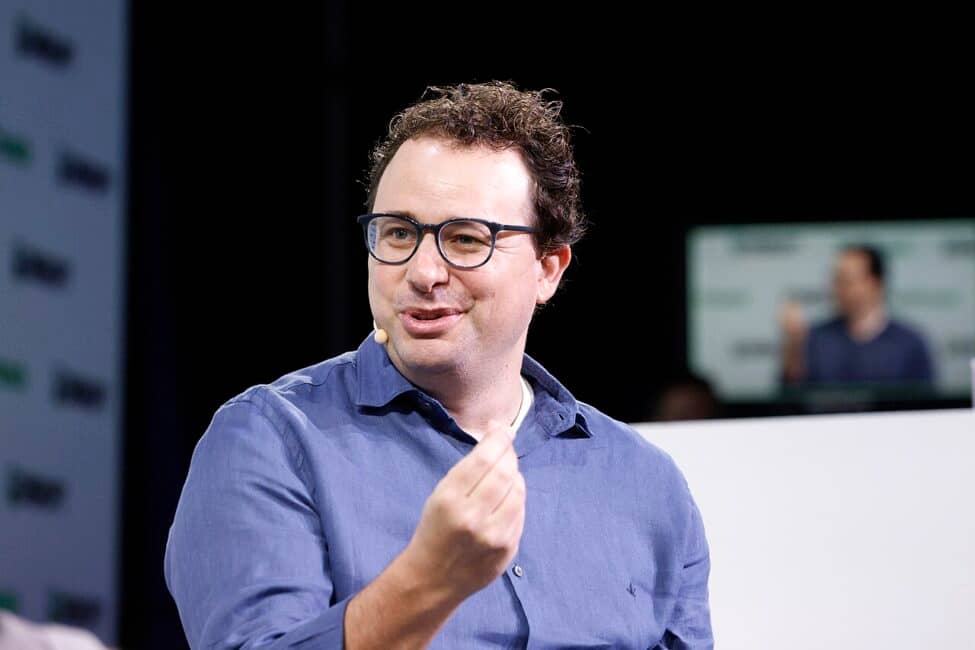
“I think the inequality that we have, people with hundreds of billions of dollars and people with less than a dollar a day, is pretty horrifying,” Ezekiel Emmanuel, Vice Provost of Global Initiatives, told journalists Feb. 18.
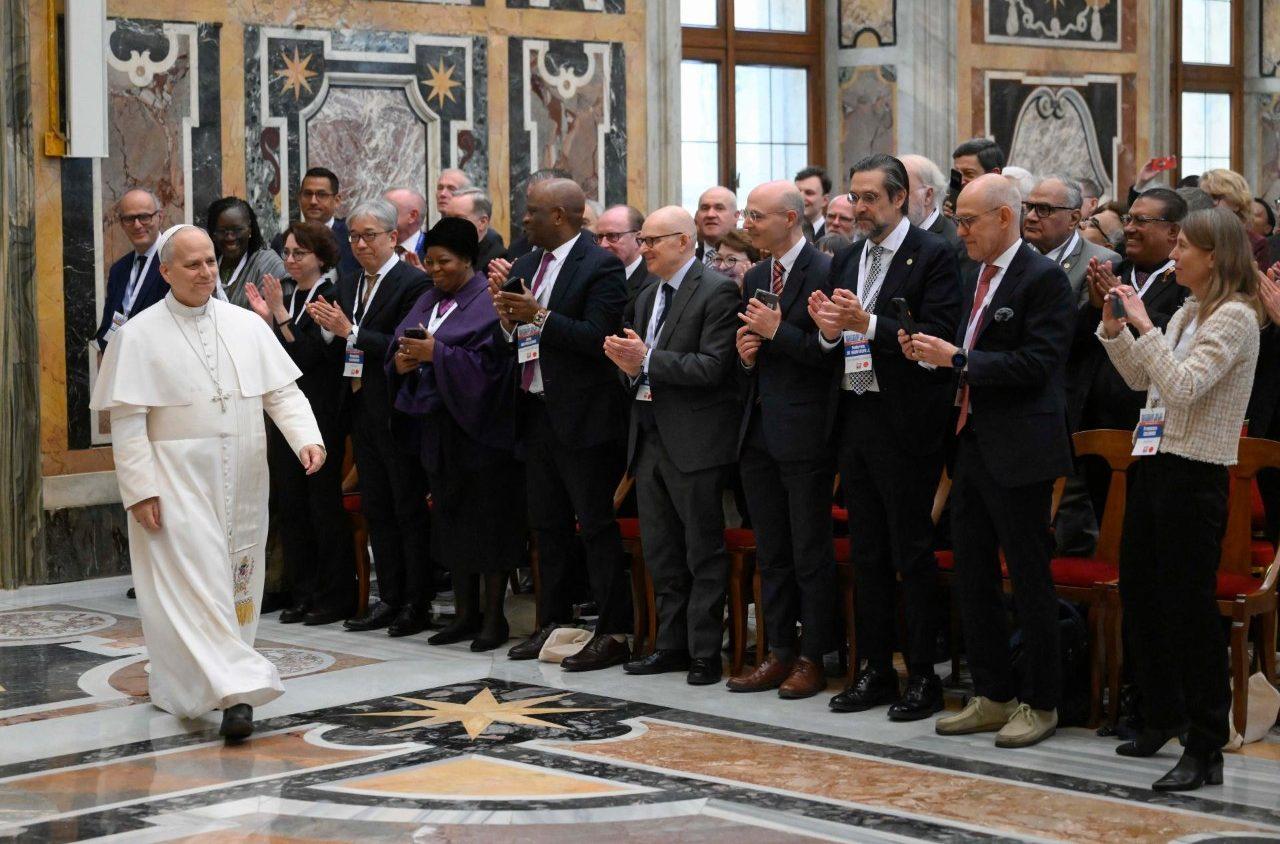
Emmanuel was participant in the Feb. 16-17 workshop of the Pontifical Academy for Life, which was held in Rome with the title “Healthcare for all: Sustainability and equity” and which included an audience with Pope Leo XIV.
These disparities, Emmanuel said, are “particularly horrifying when the rich don’t contribute a lot; they try to avoid taxes, and don’t participate in charity, to help people and help the world.”
“Getting fairness in that, I think, is something we all need to care about,” he said.
Pope Leo himself – who has repeatedly condemned large income gaps and “out of control” investment portfolios of global elites while others live in abject poverty – also touched on the impact these inequalities can have on healthcare and life expectancy.
In his Feb. 16 speech to the academy, Leo stressed the connection “between the health of all and that of each individual.”
“We must focus not on immediate profit, but on what will be best for everyone,” he said, and pointed to what he said were “enormous inequalities” in life expectancy and quality of health in different countries and social groups.
These inequalities depend on factors such as income level, education, and environment, including neighborhoods where individuals live, he said, noting that violent conflict is also increasingly a variable.
“Sadly, today we are also faced with wars that impact civilian structures, including hospitals, which constitute the most grave attacks that human hands can make against life and public health,” he said.
Leo noted that proclamations are frequently made about health and education being “equally fundamental for all,” but said such statements are “hypocritical if, at the same time, we ignore the structural causes and policies that determine inequalities.”
“In reality, despite declarations and statements to the contrary, all lives are not equally respected and health is neither protected nor promoted in the same way for everyone,” he said.
Emmanuel in his comments to the media, made during a Feb. 17 press conference on the academy’s workshop, said the disparity between rich and poor exists in every country around the world.
Even in nations that have worked to make their systems more equitable, such as Norway and Canada, he said, “the well off still get advantages and live longer.”
“Our goal has to be to decrease those disparities, but I think it would be unrealistic to say that they are going to go away,” he said, and underlined the importance of attention to other factors such as education, exercise, and healthy foods as important in determining overall health and life expectancy.
However, he did stress the impact of large income inequalities on a democratic society over time, saying, “it’s hard to have a democracy in a democratic government with large income inequalities. That’s just a historical, empirical finding.”
“It does not lead to democracy. You need most people in the middle class for democracy to sustain itself,” he said.
Similarly, Sheila Tlou with African Leaders Malaria Alliance stressed the need for “shared responsibility and global solidarity” when it comes to healthcare.
Using the COVID-19 pandemic as an example, she said the crisis brought on by the pandemic was an illustration that “we are branches of the same trees and leaves of the same branches.”
“What happens to one country will happen to another, and therefore no country is safe until all countries are safe,” she said, saying the idea “is to look at how we can collaborate globally,” and she used vaccine development as an example.
Vaccine access was a point of broad debate during the COVID-19 pandemic, with wealthier nations at times being accused of hoarding vaccine doses while leaving less developed countries with very little access, putting their populations at greater risk.
Tlou said that currently there are various experts and competent entities in Africa working with western nations to develop vaccines as a preventative and preparative measure for future pandemics.
“We don’t know what going to come next, but when it does dome, the world should be united,” she said, saying wealthier countries even within Africa itself must collaborate with others “to ensure that we have aspects or commodities that can be able to assist” in the case of another health emergency.
This collaboration also helps in “holding each other responsible” and in maintaining checks and balances, she said, and pointed to the problem of corruption in healthcare.
“What I’m finding is that when the world collaborates, then aspects of corruption and money going where it’s not supposed to be are lessened, because you have a project that needs be done and you want to see it done and be able to say, ‘this is what we are doing,’” she said.
Monsignor Robert Vitillo, a senior advisor with the Vatican’s Dicastery for Integral Human Development with longtime expertise in the issues of migration and sustainability, pointed to various resources the Catholic Church has on the issue of income inequality and best business practices.
Specifically, he pointed to a series of “principles for Catholic business leaders” published by the former Council for Justice and Peace, which was merged with several other offices to form the Dicastery for Integral Human Development.
These guidelines, Vitillo said, were drafted with the input of Catholics schools of business and with businessmen and women themselves to ensure their quality and expertise.
“I think there are a lot of principles in there that I think it would be good that we begin to share, especially with our clergy who preach before Christian business people and also ask them for donations,” he said.
Vitillo pointed to the longstanding social justice principle of “think globally and act locally,” saying there are many organizations and entities committed to putting this into practice and to “calling attention” to problems such as income gaps and the inequalities that can arise as a result.
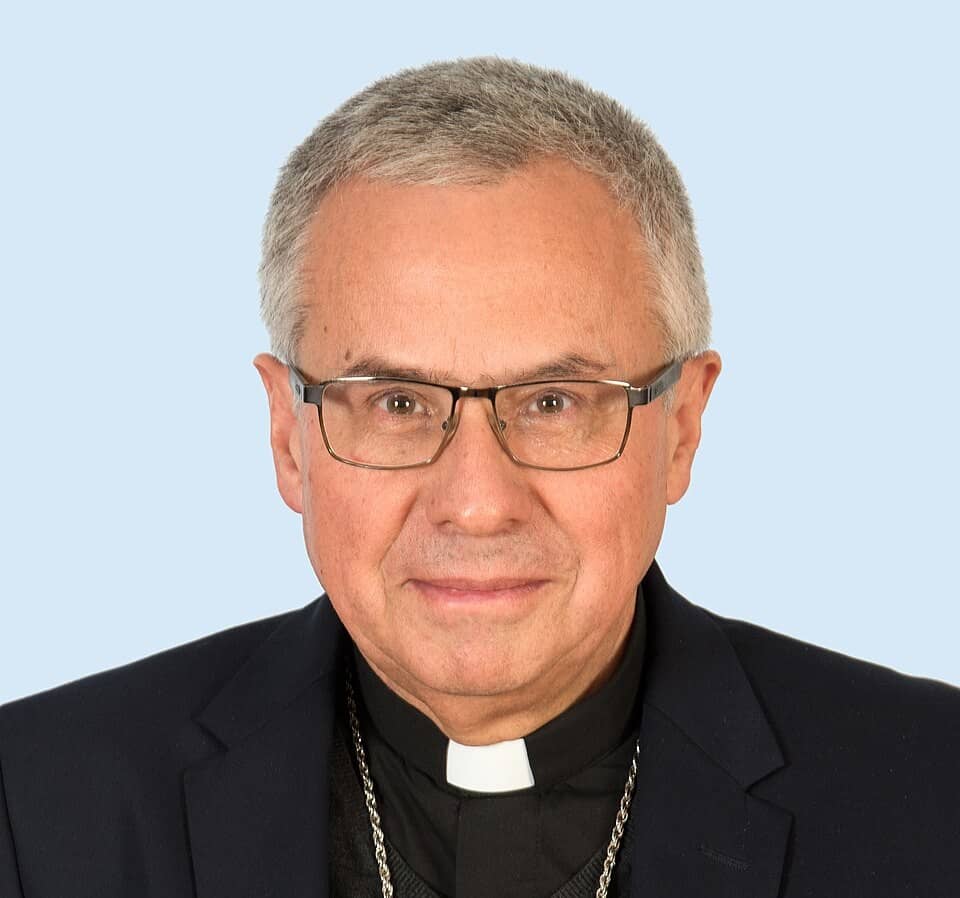
Participants in Tuesday’s press conference were also joined by the new president of the Pontifical Academy for Life, Monsignor Renzo Pegoraro, who stressed the need for greater collaboration “between the north and the south of the world” and to keep a watchful eye on technological developments that can impact healthcare costs.
Participants also touched on the use of artificial intelligence, vaccine access and combatting misinformation about vaccine use, as well as the need to guarantee healthcare for all, regardless of social class or societal status.
Follow Elise Ann Allen on X: @eliseannallen