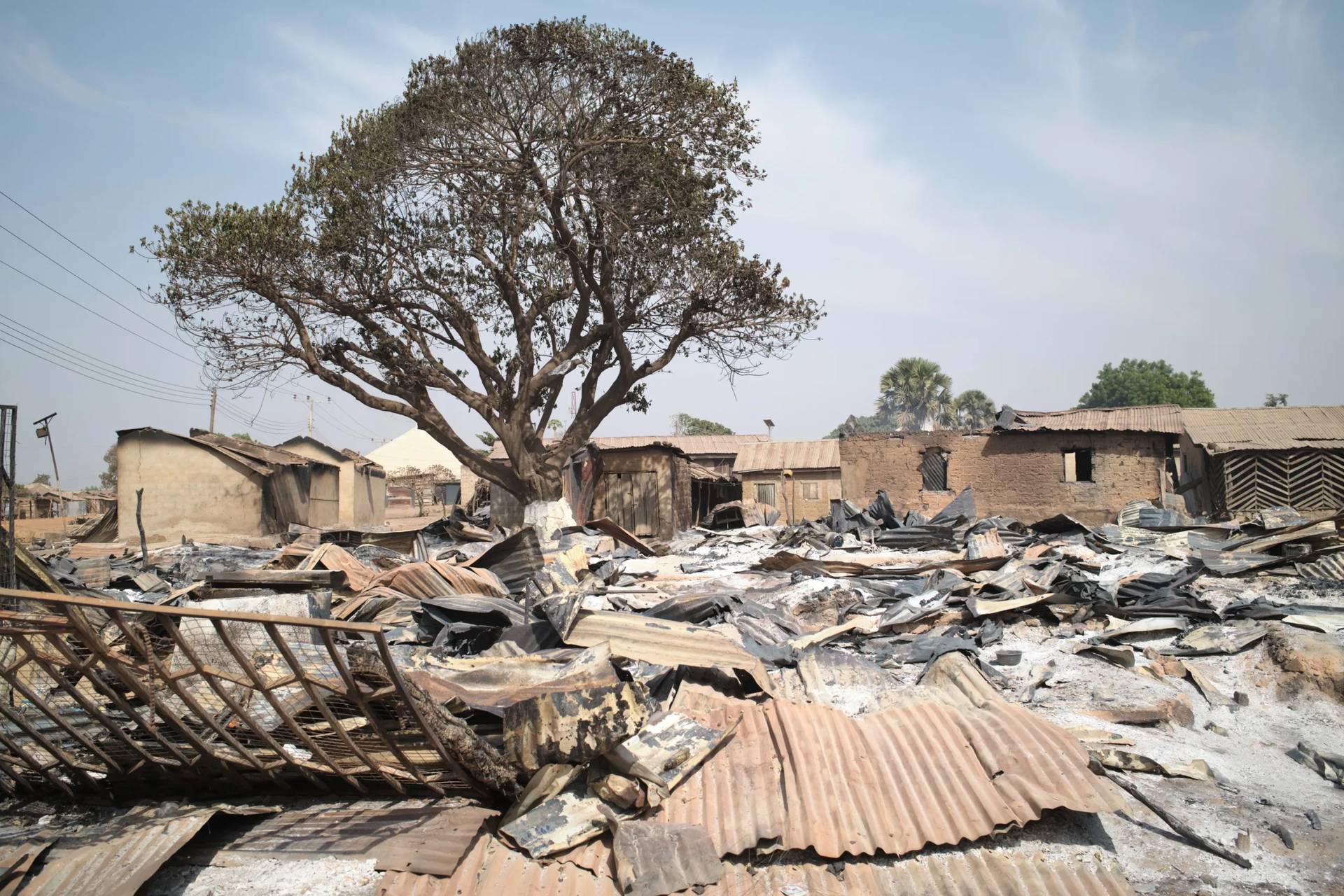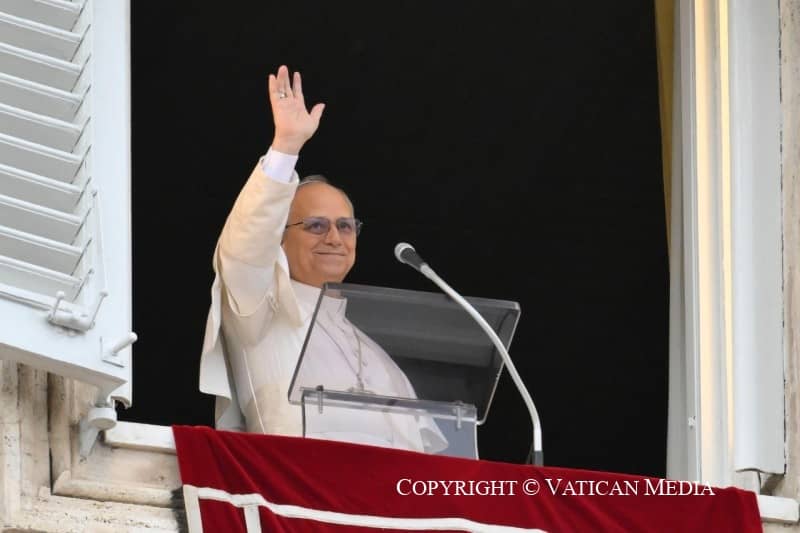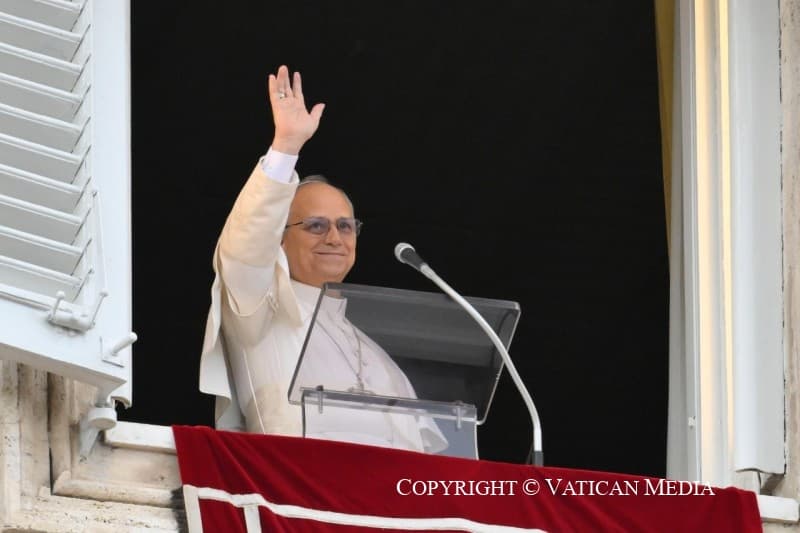
Pope Leo XIV condemned ongoing violence in Nigeria on Sunday, in the wake of Islamist extremist attacks on a majority-moderate Muslim village in Kwara State that left as many as 200 people dead and much of the town destroyed.
The recent attacks have further advanced fears violence is spreading in the west African nation of 230 million people – Africa’s most populous – with governors of affected states appealing to Nigerian federal authorities as people across the spectrum of opinion in the country and around the world grow increasingly critical of national-level efforts.
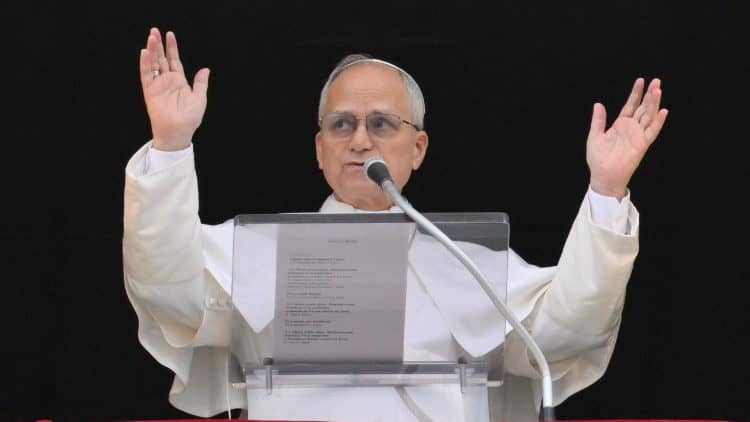
“It is with sorrow and concern that I learned of the recent attacks against various communities in Nigeria leading to a heavy loss of life,” Leo told pilgrims and tourists gwthered in St. Peter’s Square for the Angelus prayer this Sunday.
The pontiff offered his “prayerful closeness to all the victims of violence and terrorism,” and said he hopes “the competent authorities will continue to work with determination to ensure the safety and protection of the life of every citizen.”
A complex insurgency, fears of spreading violence
The governor of Kwara, AbdulRahman AbdulRazaq, said last week’s attack was likely a response to counterterrorism operations in the region. Local residents have provided intelligence for similar operations.
The office of Nigerian president Bola Tinubu released a statement in the wake of last week’s attacks announcing plans to deploy an army battalion – somewhere between 300 and 1000 soldiers – to the Kaiama area, the locus of the attack in Kware, in which there had been limited security presence.
More broadly, observers and analysts have expressed concern the Islamist militants are carrying their campaigns further and further afield. Kware is a more southerly state that shares a long border with Benin to the west, along an important international trade route.
Operations appear to have pushed south as both Nigerian military pressure and territorial competition among armed groups in the country’s north have intensified.
Several armed groups are active in Nigeria, some of them home-grown and others from regional neighbors, and the Nigerian government has been fighting the complex insurgency for well over a decade.
United Nations figures say several thousand people have perished as a result of the protracted conflict.
Christians have been particularly targeted, as have moderate Muslims and anyone who resists or rejects the Islamist insurgents’ ideology.
On Thursday of last week, the governor of Nigeria’s Kaduna State announced the release of all 183 Christians captured in three roughly simultaneous abductions in January.
That announcement followed the Wednesday release of 89 kidnapping victims.
The governor offered no details regarding the circumstances of the latest victims’ return, though analysts believe the government sometimes pays ransom for the release of kidnapping victims.
Prayers for victims of human trafficking
February 8 is also the liturgical memorial of Saint Josephine Bakhita, a Sudanese victim of human trafficking born in the second half of the 19th century, who eventually became a Canossian sister and was canonized by Pope St. John Paul II in the Jubilee Year 2000.
Her memorial is associated with the World Day of Prayer and Reflection Against Human Trafficking.
Pope Leo XIV remembered the occasion on Sunday and commended the efforts of all those committed to ending the modern-day slave trade.
“I thank the religious and all those who are committed to combating and eliminating current forms of slavery,” Leo said.
“Together with them,” he said, “peace begins with dignity!”
Prayers for flooding victims
Pope Leo XIV also prayed for those affected by severe flooding in Spain, Portugal, Morocco, and Sicily, after
“I offer the assurance of my prayers to the people of Portugal, Morocco, Spain — especially Grazalema in Andalusia — and southern Italy, particularly Niscemi in Sicily,” the pontiff said, “who have been affected by floods and landslides.”
The pope encouraged communitied “to remain united and supportive, with the maternal protection of the Virgin Mary.”
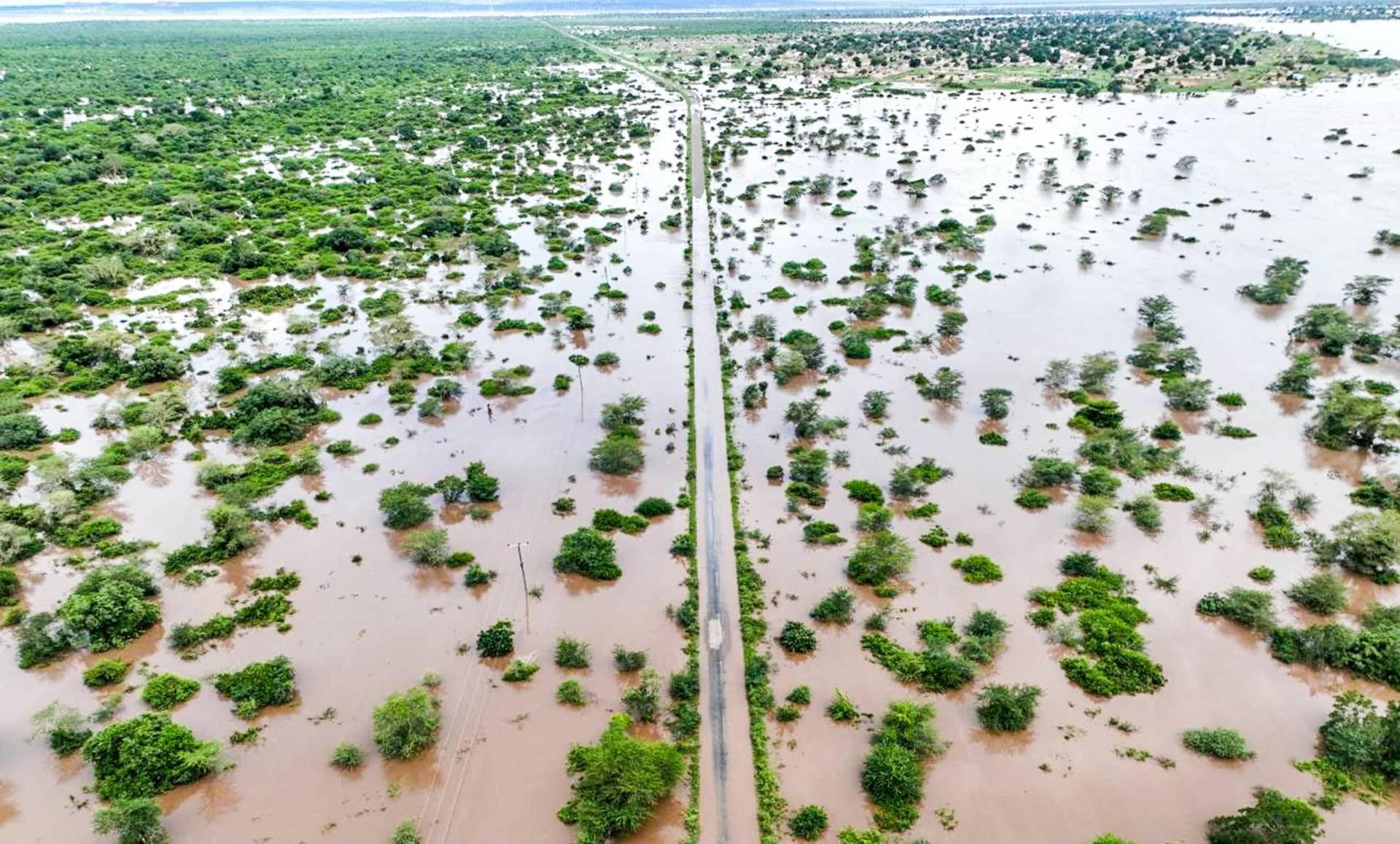
Spain, Portugal and Morocco have seen hundreds of thousands of people displaced by widespread flooding in the wake of a powerful winter storm, while the Italian island of Sicily has been battered by storms as well, with sustained heavy rains triggering a massive slow-moving landslide in the Sicilian village of Niscemi that began in mid-January and has led to the emergency evacuation of some 1000 people in the town of 25,000.