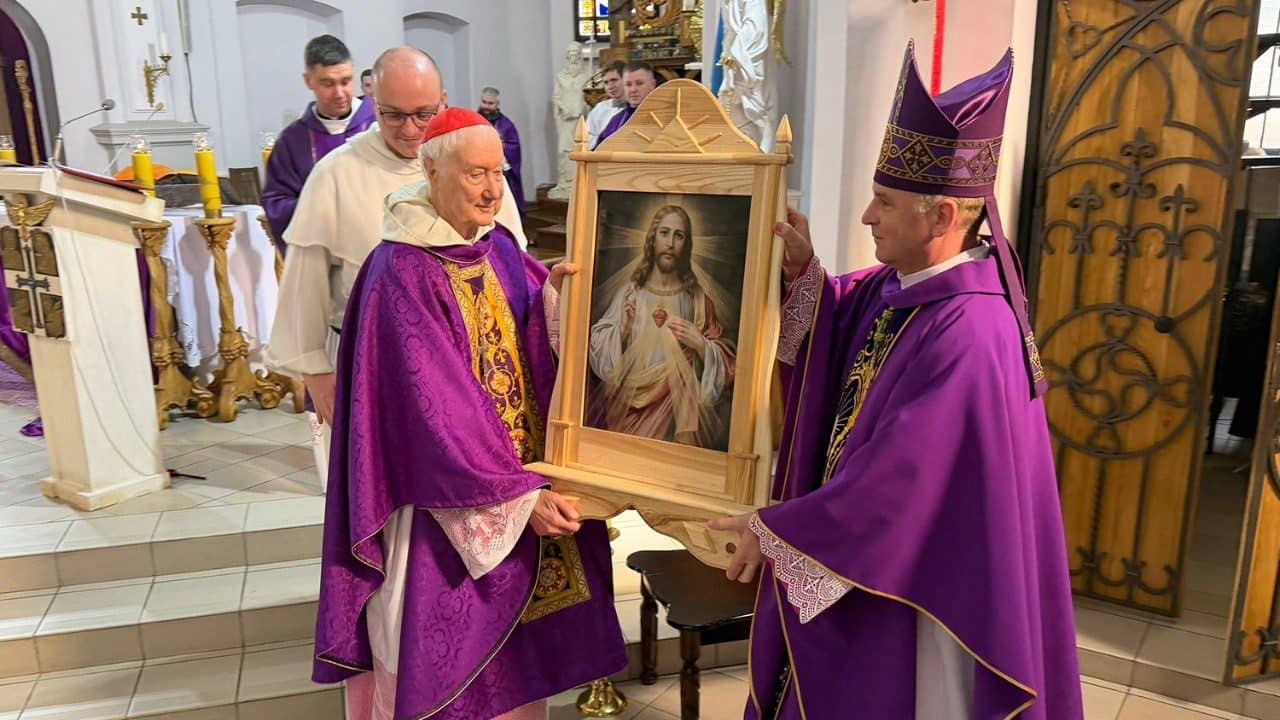
Cardinal Timothy Radcliffe recently concluded a two-week tour of war-torn Ukraine, where he encountered enormous courage and tremendous witness among the people with whom he visited.
“It was inspiring to see so many joyful volunteers and the way they care for children and involve local people in their efforts to serve the people of God,” Radcliffe told Vatican News in an exclusive interview with the official media outlet of the Holy See late last week.
Radcliffe was speaking specifically of his visit to St. Martin’s Mission in Fastiv, a city roughly 40 miles southwest of the capital, Kyiv.
Radcliffe also visited the front-line city of Kherson in the east of Ukraine, which invading Russian forces overran in the early days of the war, and which faces daily shelling.
“Kherson,” Radcliffe told Vatican News, “was, in many ways, the most moving place,” for him. “There, you can see how war destroys community life,” he said.
“Only a few elderly people remain,” the Dominican cardinal said.
One purpose of Radcliffe’s tour was to visit communities of his Dominican order and the local Churches.
“Yet it was also there,” – in Kherson – Radcliffe said, “that we encountered great courage – people who are determined to stay and do their best to build a future.”
“In Odesa,” the Black Sea port that is Ukraine’s third-most populous city, “we had a beautiful visit and were warmly received by bishop Stanislav Shyrokoradiuk, the ordinary of the Odesa-Simferopol diocese.”
Radcliffe made special mention of the city of Kharkiv, which he visited in Ukraine’s eastern reaches, sorely tried by Russian aggression.
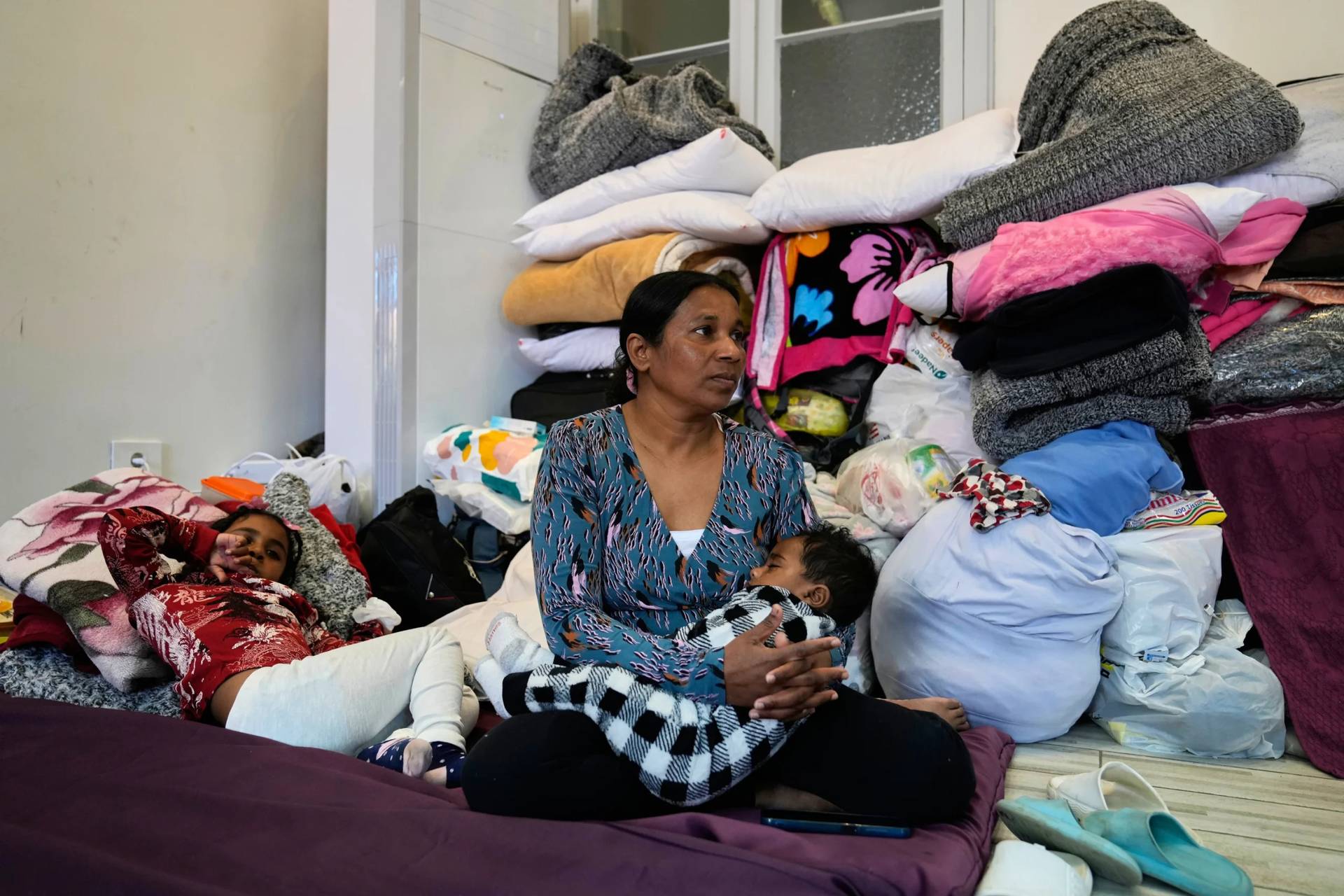
In Kharkiv, near Ukraine’s eastern border with Russia, the Orionine Sisters care for single mothers and their children.
“One of the most moving encounters was with the children of single mothers in Kharkiv,” Radcliffe said.
“These children have endured so much. Many of them wonder about their future and where they belong.”
The sisters caring for mothers and their children in Kharkiv are from Poland, and were offered the chance to return to their home country in the early days of the Russian invasion.
They chose to stay.
“[T]he suffering of Ukraine is not only the suffering of one country,” Radcliffe said, “it is the suffering of the whole world.”