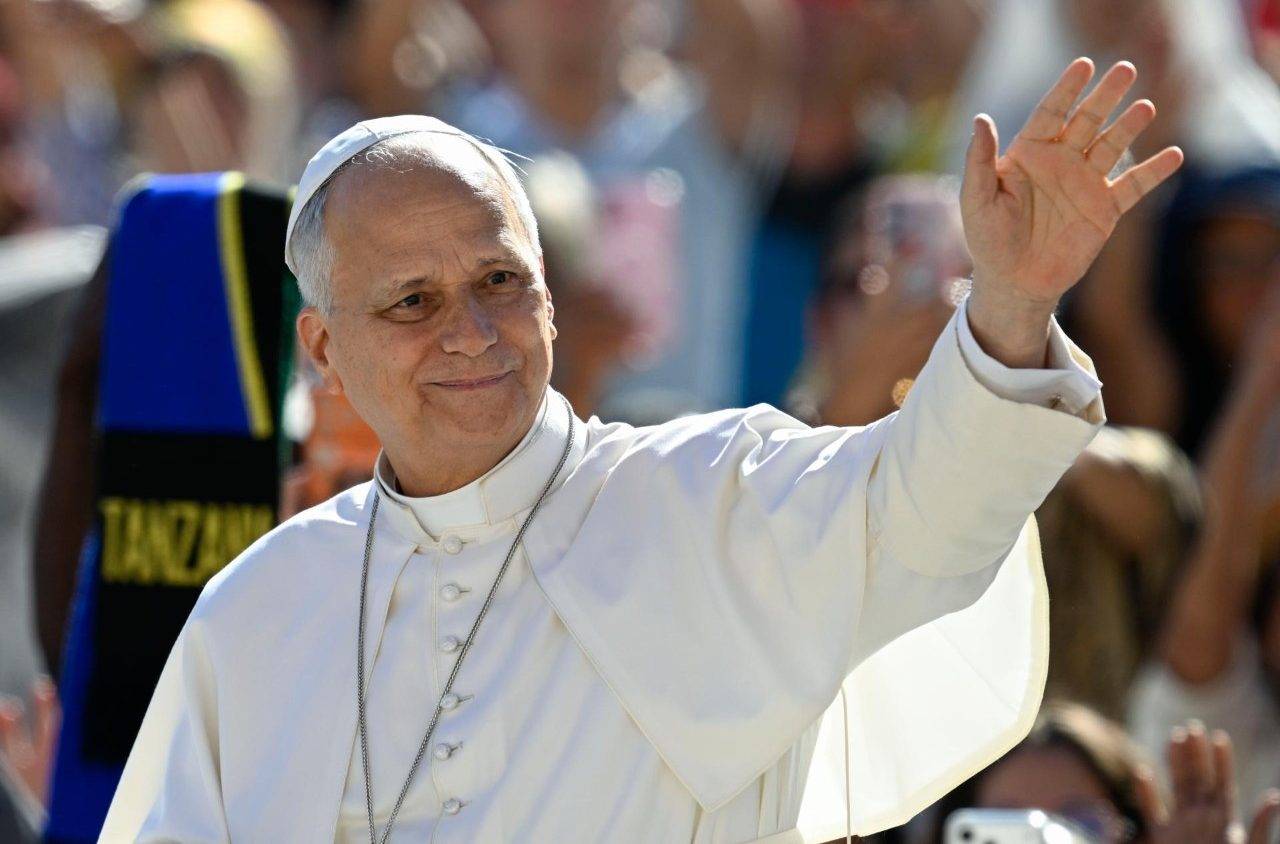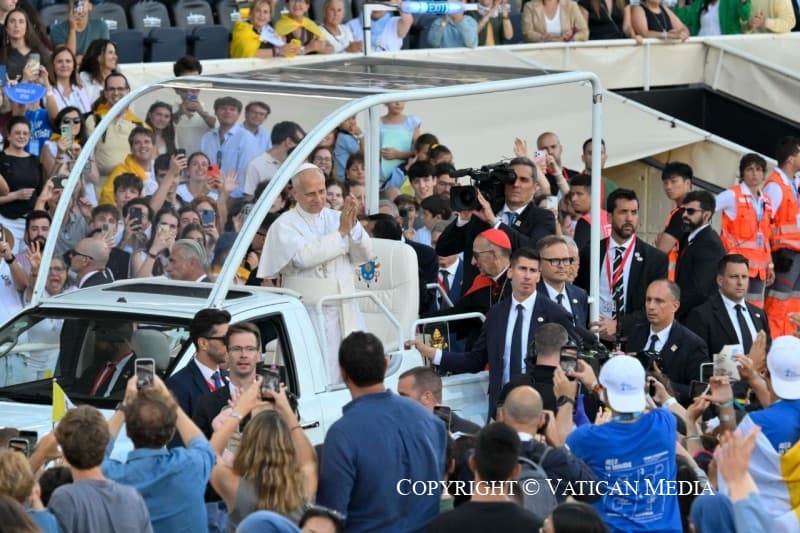
BARCELONA – Pope Leo XIV offered a stirring message of hope amid suffering in Barcelona on Tuesday after taking questions from young people who had struggled with abuse and depression.
During a June 9 prayer vigil, the pope took questions from a young person who fought depression and survived a suicide attempt. Another question came from a youth who was taken by social services after their father attempted to kill their mother and was jailed, while the mother turned to drugs.
In response, the pope urged the young people to look to Jesus and the suffering he endured during moments of personal trial, and to seek solace in prayer and help from those around them if they are feeling depressed.
However, he also cautioned against spiritualizing suffering.
“We must not spiritualize pain,” the pontiff said, “superficially attributing it to ‘God’s will’ or to some mysterious plan of his, because this risks minimizing that suffering, silencing it and hurting people. God does not want suffering.”
Leo also condemned violence against women and urged humanity to take responsibility for its own decision, in various circumstances, to opt for violence over love, instead of pinning the blame for the world’s evils on God, saying, “We cannot attribute to God what has been entrusted to our responsibility.”
Speaking to Catalonia
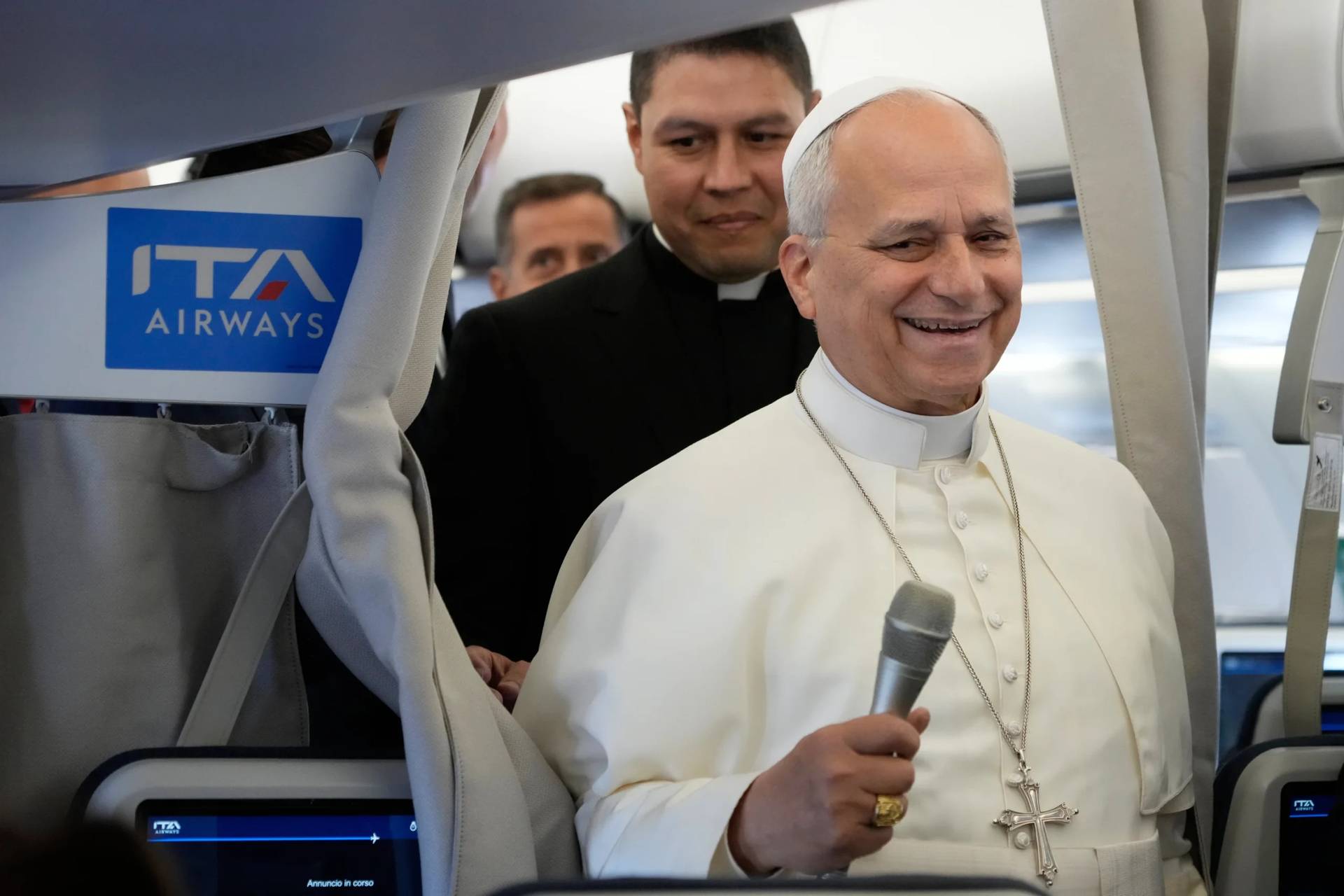
Pope Leo arrived in Barcelona Tuesday after spending three days in Madrid as part of a broader June 6-12 trip to Spain that will also take him to the Canary Islands to highlight the thorny issue of migration.
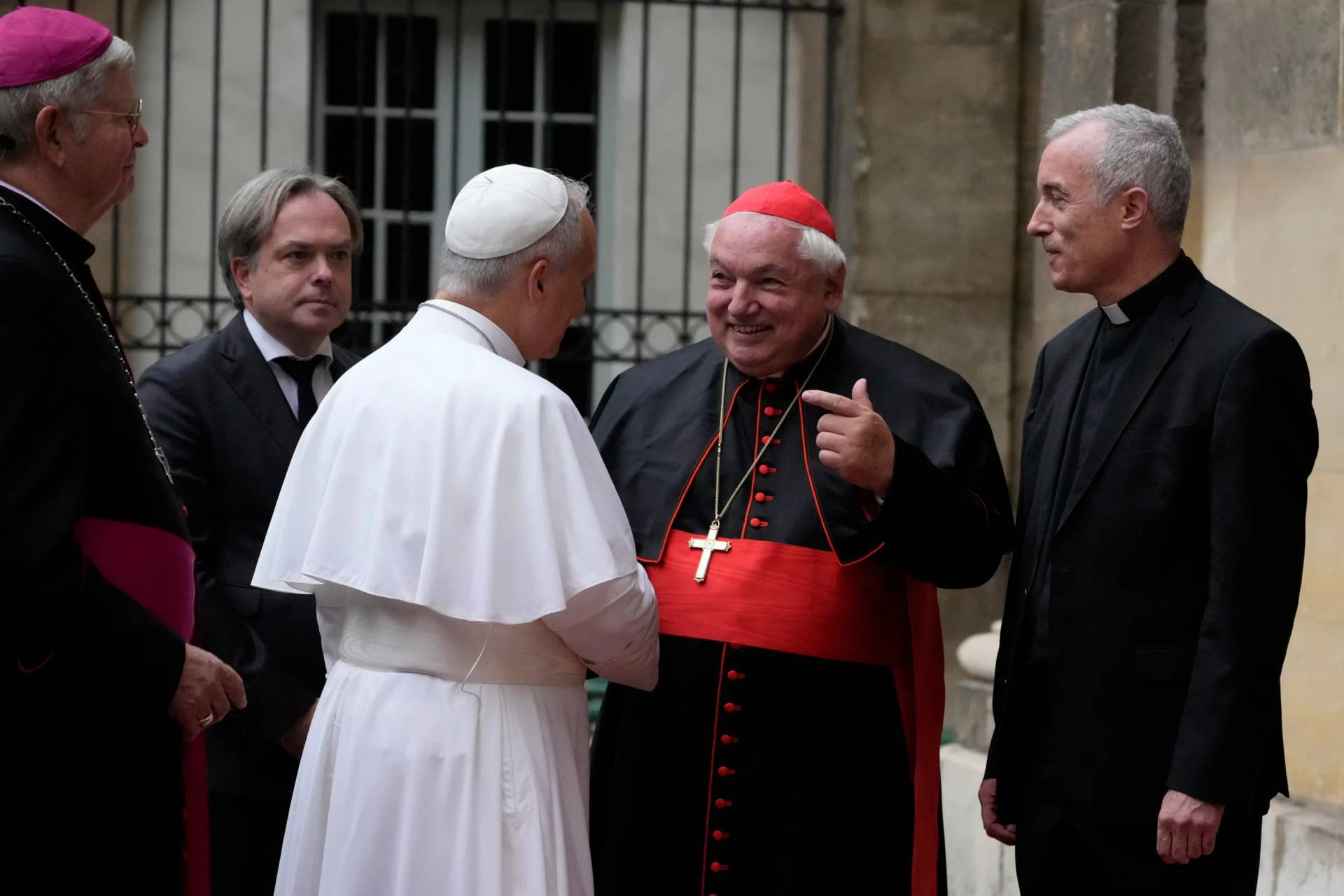
After arriving in Barcelona, the capital city Catalonia a region that has long been pushing for independence from Spain, the pope celebrated Midday Prayer at the Cathedral of the Holy Cross and Saint Eulalia, which is Barcelona’s official cathedral.
Notably, the pontiff during his speech interchanged speaking in Spanish and Catalan, the official language of the Catalonia region, marking his first time speaking the language publicly since his election.
There, he urged the local faith community to strive for unity at home, in the workplace, and in the family.
“We are united as members of a single body, each at the service of the other, people from every tribe and language and people and nation,” he said, “all called to the same holiness.”
“It is important for each of us not to allow anything to destroy the unity in which God has established us and toward whose fullness he leads us day by day,” he said, urging the local community to be “witnesses and prophets of unity, of welcome, of harmony and of peace, even at the cost of sacrifice and renunciation.”
A message to Catalonian Catholics
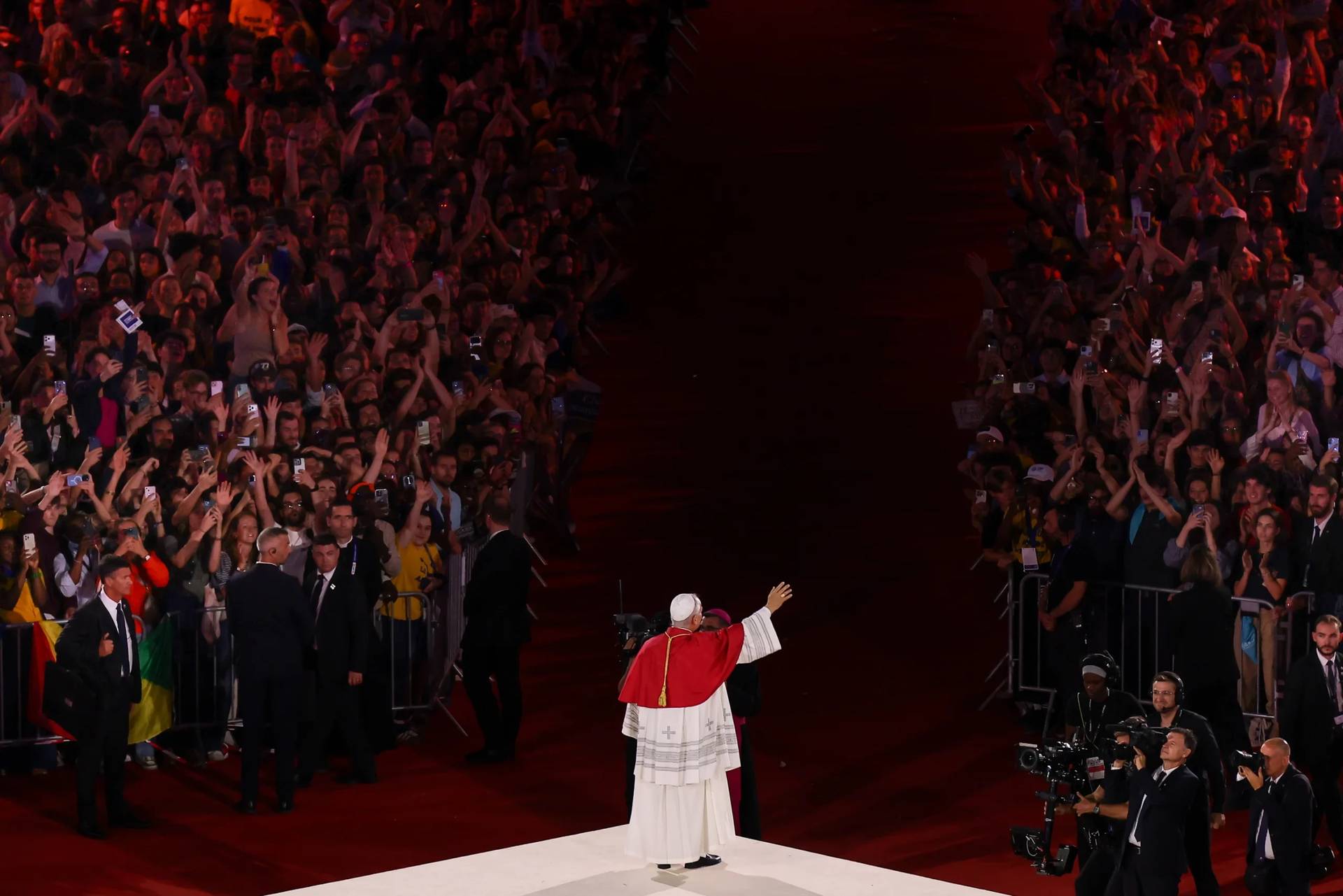
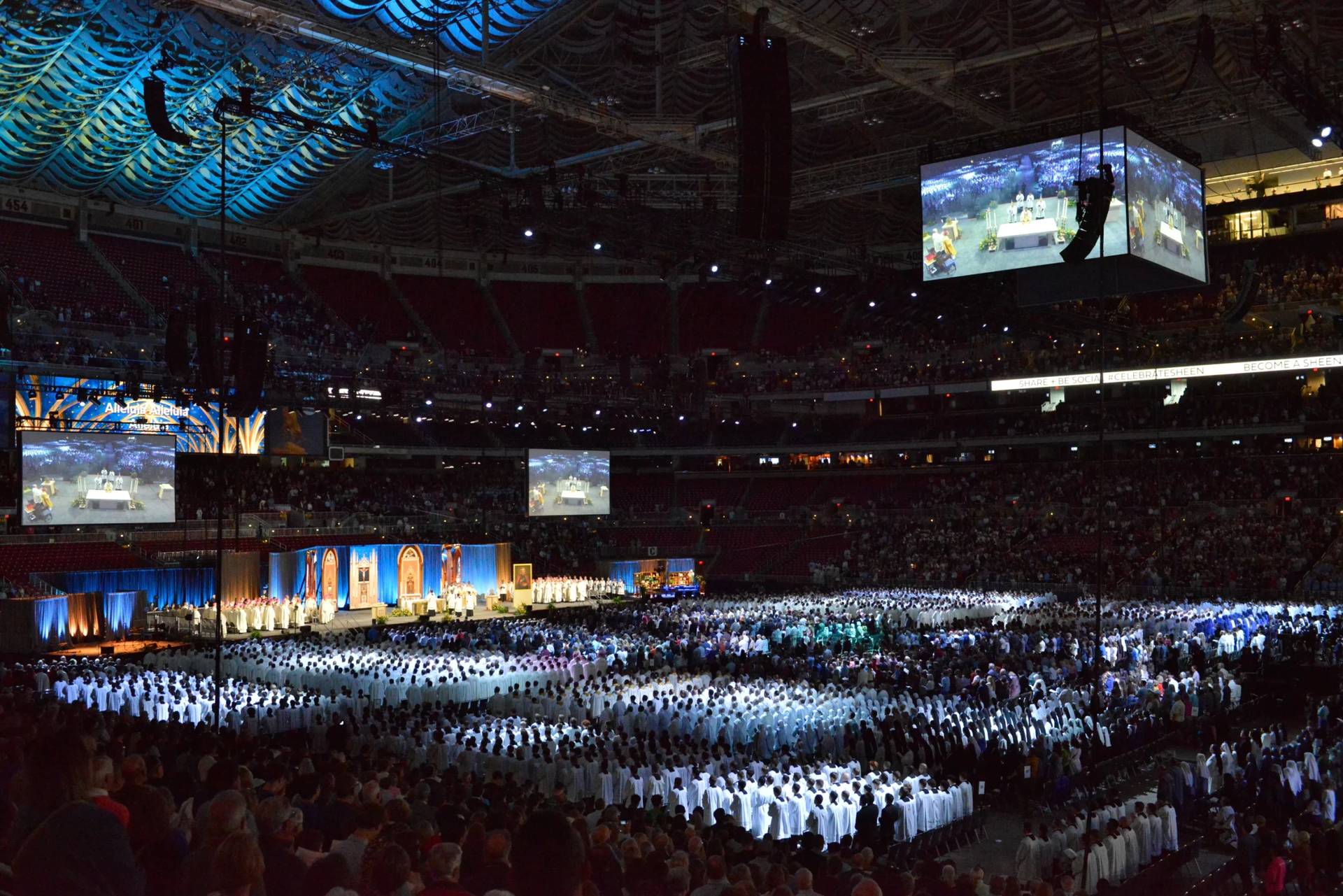
After holding various meetings with different individuals and groups, including the President of the Catalonia Generalate Salvador Illa i Roca and members of the Augustinian Order, following his arrival Tuesday, the pope held a prayer vigil in Barcelona’s Lluís Companys Olympic Stadium that evening, attended by an estimated 45-50,000.
In a dialogue with young people at the event, the pope took a question from a young woman who previously struggled with depression and survived a suicide attempt, and who asked the pope how to keep trusting God with the world, and life, seem dark.
Leo in response said the “remarkable miracle” of being able to rise and keep going amid difficulty is present throughout scripture and lamented the growing mental health crisis in many western nations.
“It is important to recognize how mental health is increasingly threatened in the context of societies that consider themselves advanced. This is a sign that there is something deeply wrong with a certain notion of progress that subjects people to pressures, expectations and tensions that compromise healthy balances,” he said, calling for healthcare that prioritizes “this invisible and widespread malaise.”
While it might seem natural to feel that God is absent in moments of darkness and difficulty, “we must entrust to him once again the burdens we carry in our hearts, even crying out to him, even protesting like Job, confident that in some way he is present and near even when he appears to be silent.”
However, “we cannot do this alone,” he said, and insisted on the need to turn to others who can offer practical and spiritual help in times of need.
“God does not want suffering,” he said. “He carries it with us,” the pontiff continued, “and invites us to trust in him with perseverance.”
Leo also responded to a question from a young woman who was sent to a home for young people in difficulty after their father was jailed for attempting to kill their mother and killing another man instead, after which the mother fell prey to drugs.
This young person asked how to reconcile with God and learn to forgive in the face of such tragedy.
Leo in his response said the question that arises when something truly terrible happens – “Where was God?” – ought to be rethought. The real question, he said, is, “about humanity, about how we are sometimes prisoners of evil, resorting to violence against others.”
“How is it that we fail to cultivate love and respect for others’ dignity and freedom? So many crime reports, even today, reflect a toxic climate in family relationships marked by abuse and oppression,” he said, pointing specifically to violence against women, which he said “unfortunately often leads to femicide.”
Each person is called to address this problem, personally and as a society, he said, saying everyone bears responsibility, and “We cannot attribute to God what has been entrusted to our responsibility.”
“We cannot imagine that God, from on high, will automatically respond to our needs or miraculously prevent evil from happening,” he said.
God, he said, “has endowed us with intelligence and will, given us a conscience, clothing us in dignity and freedom,” and through the life and sacrifice of Jesus, showed humanity the path toward becoming “fully human and so that justice, peace and fraternity may reign in our society.”
“If violence exists, if selfishness prevails, if even love among family members turns into hatred, we must question the dynamics of our society, the culture of individualism and the temptation of violence – but not God,” he said.
Forgiveness is a process and often a long journey, Pope Leo said, urging Christians to continually ask God “to expand the space of love within us, precisely where we have been wounded.”
This, he said, will help those who have suffered to reconcile with themselves and with the part of them that experienced past suffering, enabling them to “slowly transform resentment into mercy and compassion.”
Forgiveness, he said, does not mean “returning to the previous situation or having a close relationship with those who have hurt us, especially when there was violence.”
However, it means that those who suffered “can maintain a good disposition of heart toward the person, reject all forms of hatred or revenge, strive to repair the relationship as much as possible and perhaps pray for him or her.”
Leo also took a question from a young man who was recently baptized and asked how to keep one’s focus on God amid worldly pressures.
To this end, the pope lauded a recent boost in the number of those returning to the faith or seeking baptism, sometimes after many years away.
“This is a significant step,” he said, saying faithful “must cultivate that healthy sense of restlessness.”
“In our societies, the idolatry of profit and performance, the drive to always produce and win, as well as the cult of self-image, are nothing more than anesthetics designed to numb our conscience and mold it to a certain vision of society,” he said.
When time is made to pause and reflect on what is important, he said, people are able to develop “a critical perspective on a social system that does not put people first and creates situations of injustice and existential poverty at various levels.”
In a homily at the event following his dialogue with young people, the pope offered a reflection centered on the biblical figure of Nicodemus, the Pharisee who, in John’s Gospel, recognizes Jesus’s wisdom and godliness and seeks him in the night for counsel and wisdom.
Nicodemus is a figure to whom Leo XIV frequently returns in his speeches and texts.
Humanity is searching for answers and for meaning, and Nicodemus speaks to that search, and to long path of faith, he said, saying Christians, like Nicodemus, must wade through the challenges, questions, failures and unknowns, searching for and trusting in God.
“God did not come to judge the world in its sin and the night of its unfaithfulness, but sent his Son to save it, to give the world eternal life,” he said, saying Christians must not judge “the nights” in their own lives, nor in the life of the church or society.
Instead, he said, “we must instead set out on a journey as Nicodemus did, continuing to ask questions of the Lord and open ourselves to the wind of the Spirit.”
“We must welcome the night no longer as a sign of failure,” he said, “but as the beginning of a new life.”
Leo urged the faithful never to surrender in the face of the “nights” in society and in the Church, including in Spain, but must rather continue searching, questioning, and dialoging with God and with one another.
“Let us walk together in the faith that harmonizes the diversity of our ideas and sensibilities in order to seek the truth that will guide us toward the common good,” he said.
By doing this, he said, Spain will become “a welcoming space for all, where each person’s dignity is respected and everyone loved for who they are.”
Follow Elise Ann Allen on X: @eliseannallen