Pope Leo XIV called for international solidarity with Somalia, where ongoing violence and extreme weather are making an already severe humanitarian crisis even worse.
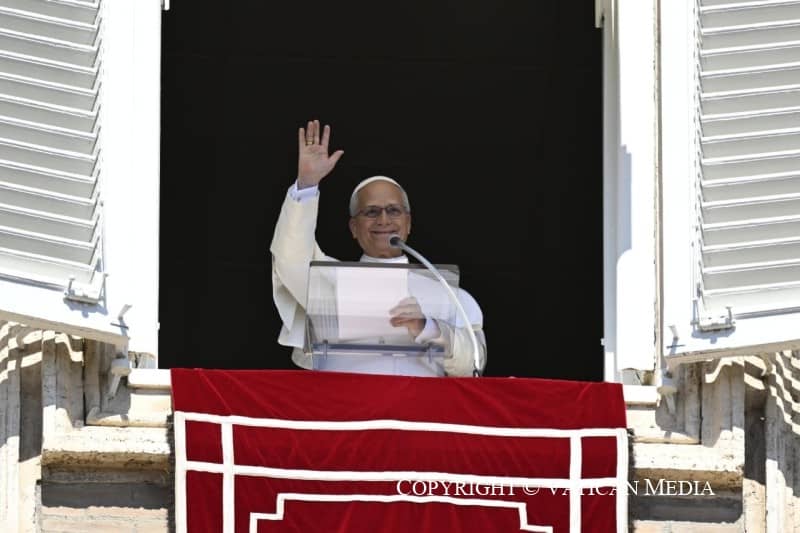
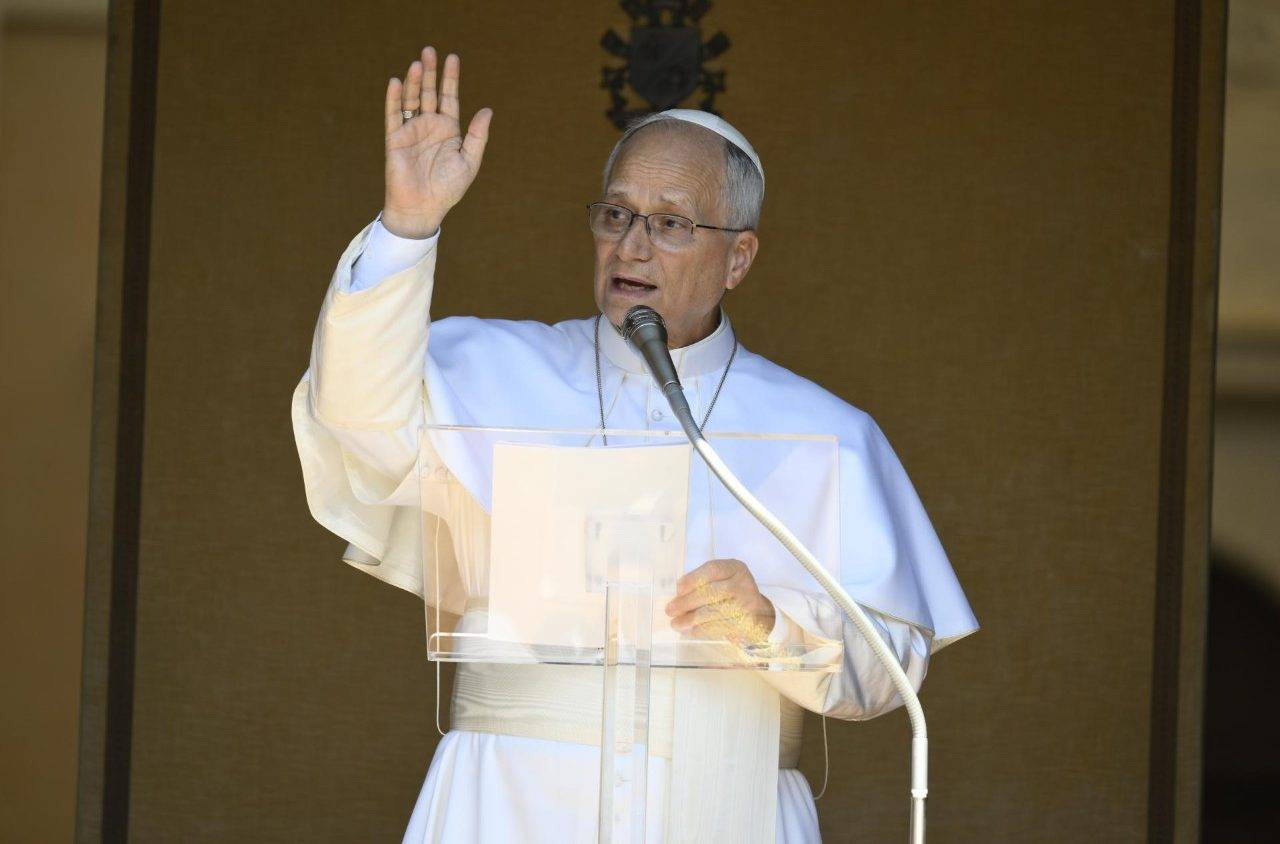
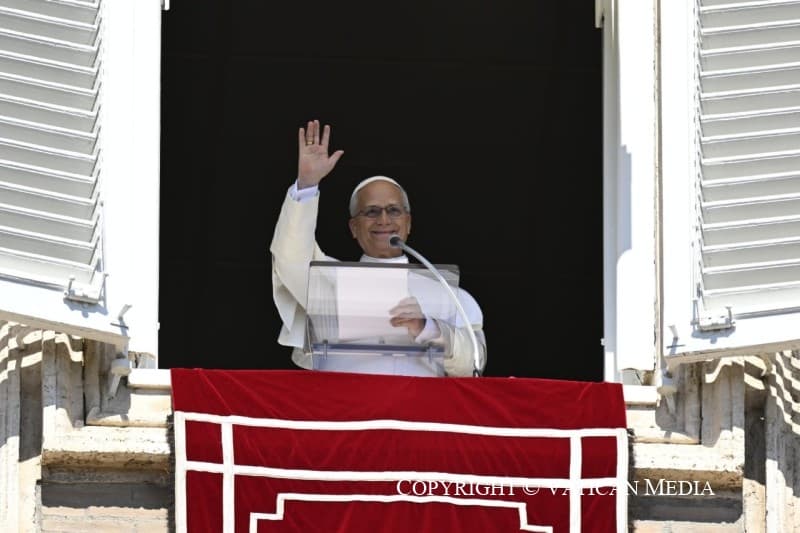
“With great concern,” the pontiff said Sunday, “I am following the humanitarian crisis unfolding in certain areas of Somalia.”
“[A]cts of violence and extreme weather events are exacerbating the already precarious living conditions of the population,” the pontiff said, “particularly of women and children.”
“I hope for the generous involvement of the international community,” the pontiff also said, “so that our brothers and sisters may not lack necessary assistance.”
Fighting between Somali government forces and militia groups in and around the southwestern city of Baidoa erupted earlier this month, destroying structures and driving civilians from their homes.
According to Somali authorities, the government forces were responding to an attack by fighters loyal to the former president of the troubled Horn of Africa nation’s South West state, Abdiaziz Hassan Mohamed Laftagareen, whose militiamen were supported by the al-Qaida-linked extremist al-Shabab group.
Somali businessmen are seeking new shipping routes owing to security concerns around the Bab al-Mandab Strait and the Strait of Hormuz after Houthi fighters backed by Iran captured a key Yemeni port city and an island earlier this month.
The Houthi operation sent thousands of Yemenis fleeing to neighboring Djibouti and triggering further trade disruption throughout the region. The Bab el-Mandeb Strait is a vital waterway through which more than 10% of global trade passes.
Meanwhile, severe drought is affecting millions of people in the country, driving families from rural communities into displacement camps as hunger spreads.
In late August of this year, the head of the U.N.’s World Food Program told the Associated Press there were 6 million people in Somalia facing acute food insecurity.
WFP acting executive director Carl Skau told the AP his agency had only a tenth of the resources it was able to bring to bear in 2022, when the WFP played a key role in averting famine in Somalia.
“We can only do the bare minimum,” Skau told the AP in late August. “We’re only providing these nutrition supplies to the children that are really the worst hit,” he said.
The U.N. Office for the Coordination of Humanitarian Affairs calls the humanitarian crisis in Somalia “among the world’s most complex.”
Driven by cycles of internal conflict and climate shocks, the multifaceted crisis drives displacement and undermines development efforts.