Catholic bishops in the Democratic Republic of the Congo (DRC) are warning against a proposal to amend the country’s Constitution this year, arguing that the worsening security situation and rising political tensions create an unfavorable environment for constitutional revisions.
President Félix Tshisekedi and his supporters have been pushing for a revision of the country’s Constitution, arguing that the law currently adopted in 2006 has become “inadequate” or “obsolete”, and therefore cannot meet the challenges of the moment.
The proposed changes include extending the president’s term of office from 5 to 7 years, but opposition figures suspect the revision is meant to eliminate the two-term limit, which is banned by article 220 of the current Constitution, to allow Félix Tshisekedi to run for a third term.
The new proposals also include recognizing dual nationality, the abolition or reform of the Senate and the Economic and Social Council, and changing the method of electing senators and governors from indirect suffrage to direct suffrage.
The proposed revisions have sparked outrage nationwide, with opposition figures organizing large rallies to urge the Congolese people to reject the proposal.
“I ask the Congolese population to be awake and to say no to this constitutional change. We need peace in our country, the unity of our country. Let’s be ready; we must defend ourselves so that our Constitution is not touched. We have the best Constitution in the world,” said Moïse Katumbi, a leading opponent to President Tshisikedi.
Catholic bishops in the DRC have warned against such a revision, cautioning that given the political tensions it has already caused, a change to the Constitution could provoke a violent backlash and push the war-torn country further into chaos.
Speaking on March 25 at the conclusion of the extraordinary plenary assembly of the Bishops’ Conference held in Kinshasa from March 23 to 25, the Secretary General of the Bishops’ Conference, Donatien Nshole, noted that the bishops’ position had not changed regarding the effort to change the Constitution.
“The principle of constitutional amendment is enshrined in the constitution itself, which also establishes the procedures for its revision. The constitution lists the articles that cannot be amended,” Nshole said.
“Given the current security situation, it would be risky for the bishops to open the chapter on constitutional amendment in a context that lacks consensus,” he explained.
The bishops urged the Congolese authorities to focus their efforts on promoting dialogue, national unity, and the rule of law.
“Peace and democratic coexistence cannot be built on the foundation of suspicion or manipulation of constitutional principles,” the bishops said.
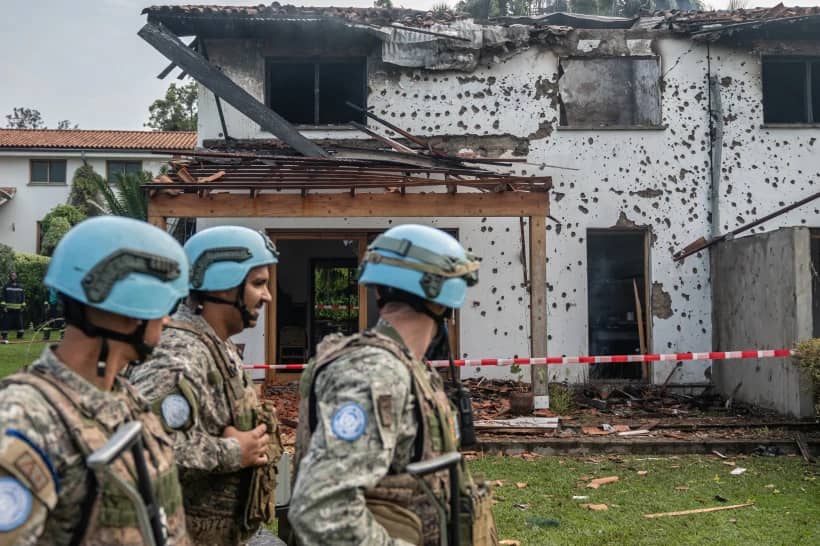
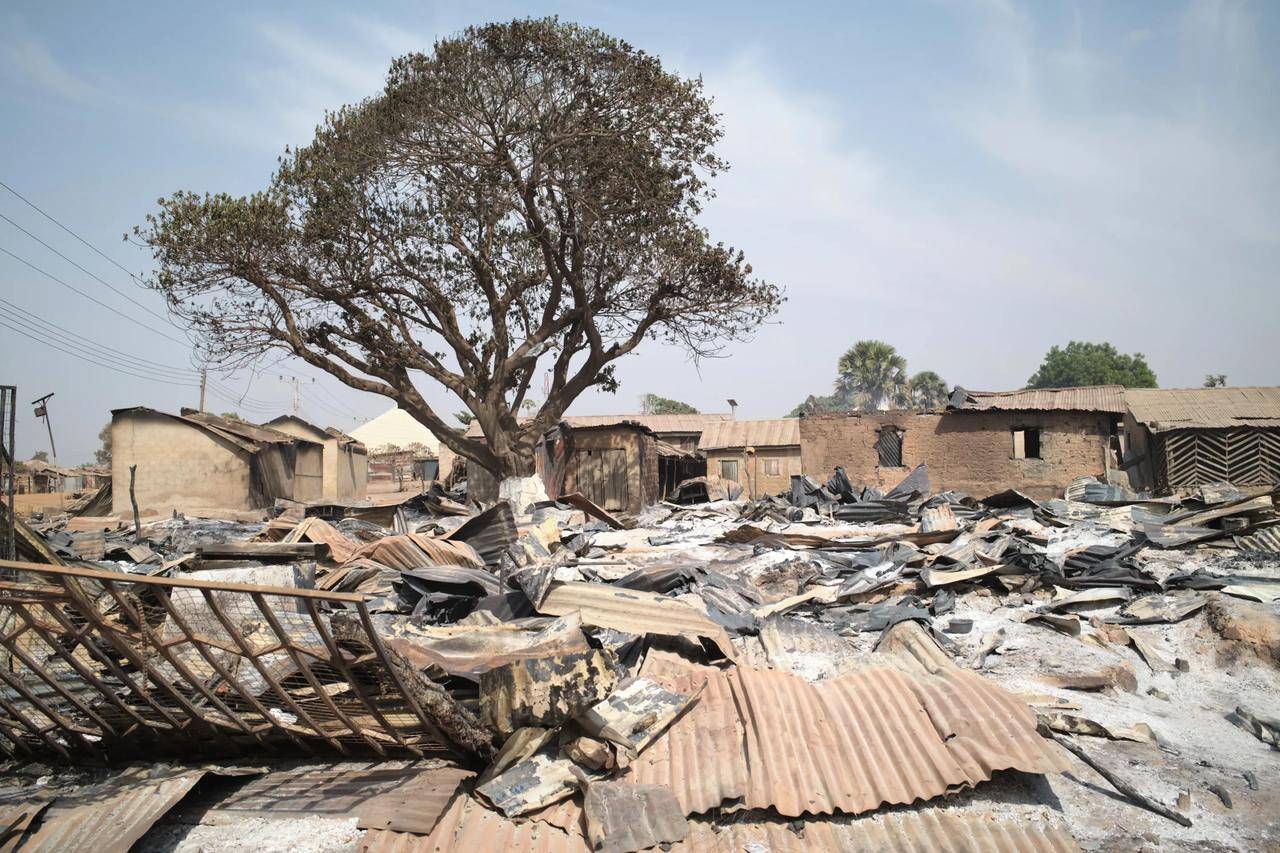
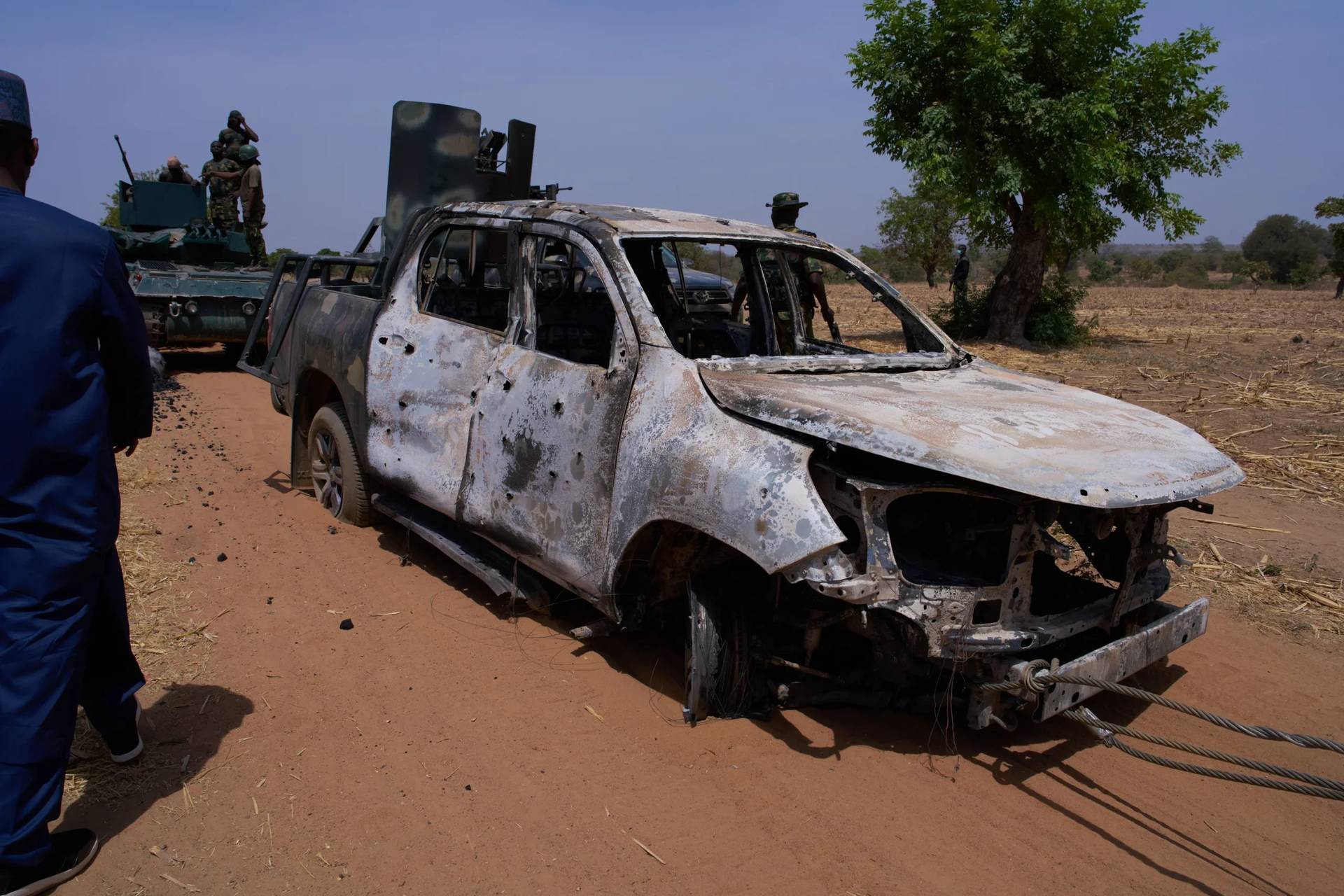
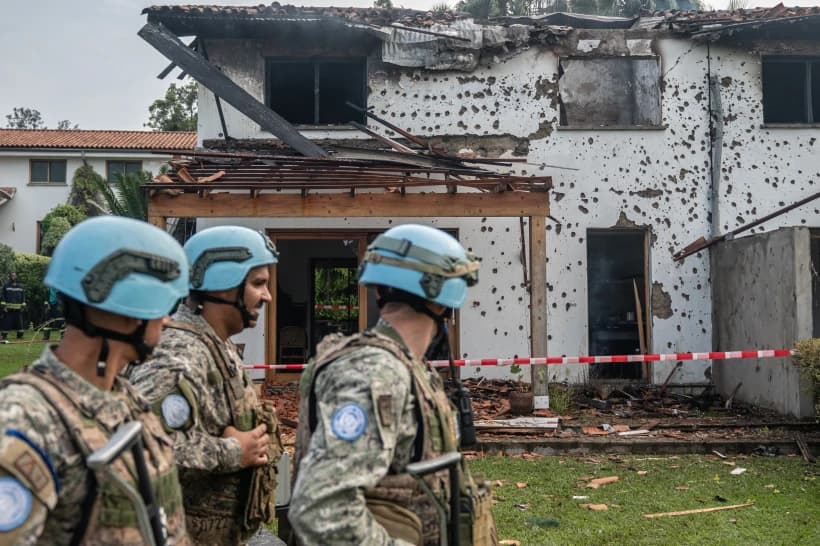
The bishops’ warning comes amid ongoing violence in eastern DRC, highlighted by the recent discovery of over 170 bodies in mass graves in Uvira.
Bishop Sébastien-Joseph Muyengo Mulombe of Uvira described the macabre discovery as “shocking,” calling it a grim testament to the sheer scale and brutality of the ongoing conflict in eastern DRC.
“In the east of the country, the situation remains particularly worrying,” Muyengo told Crux Now.
“The provinces of North Kivu and South Kivu are the scene of recurrent violence, in particular due to the action of armed groups, including the M23 movement, accused of being supported by Rwanda,” he continued.
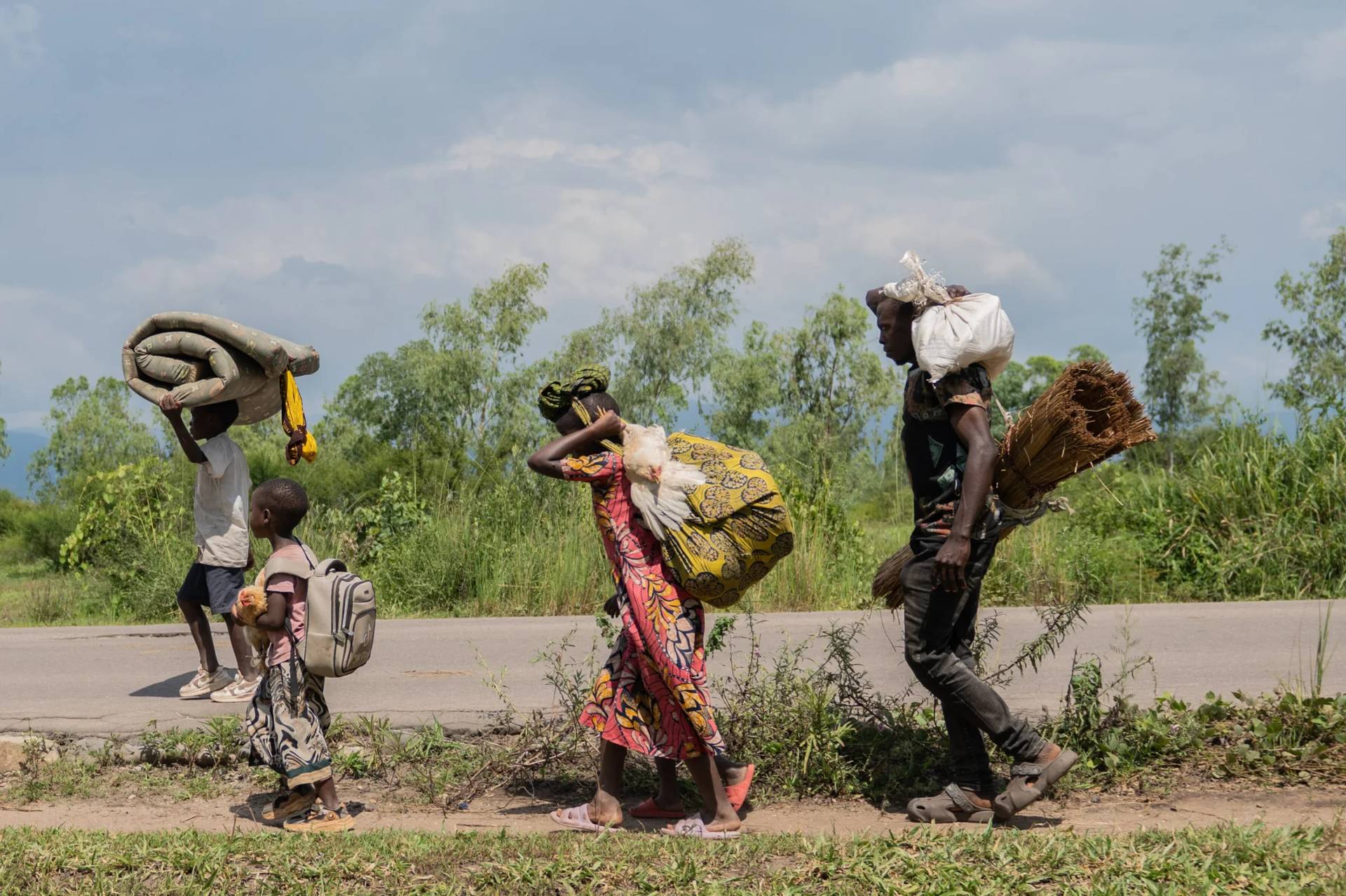
“Clashes, massive population displacements and widespread insecurity are plunging large areas into lasting instability, while the authorities struggle to re-establish effective control of the territory,” the bishop said.
He said it is precisely because of the tense political and security situation that the debate over whether to change the constitution continues.
The Church is careful not to oppose the idea of revising the Constitution. It is more focused on the risk that such a revision could worsen an already fragile situation and push the country closer to the edge.
Background
The ongoing conflict in eastern Democratic Republic of the Congo (DRC) is deeply rooted in the aftermath of the 1994 Rwandan Genocide, which sparked the First and Second Congo Wars and caused around six million deaths.
The region has remained a volatile battleground affected by changing alliances, with neighboring Rwanda and Uganda repeatedly accused of supporting rebel groups—such as the Tutsi-led M23—to maintain influence and control border areas against Hutu militias.
This ongoing violence is largely driven by the DRC’s abundant mineral resources, including cobalt and copper, which are vital for global electronics and clean energy tech.
Foreign powers, especially China, have exploited this resource curse by taking control of most foreign-owned mines, supplying weapons and drones to the Congolese military, and making deals that have traditionally funneled wealth to ruling elites rather than the Congolese people.
Today, the threat of further regionalization grows as M23 rebels have recently resurged to seize significant territory in North Kivu, causing serious diplomatic tensions and fragile, often broken ceasefires with Rwanda.
The response from international security forces has been highly controversial; faced with public outrage over their perceived ineffectiveness, UN peacekeepers (MONUSCO) are currently executing a slow, reluctant drawdown, even as regional troops withdraw and the Congolese military struggles to combat multiple factions, including the Islamic State-affiliated Allied Democratic Forces (ADF).
As a result, the civilian population is experiencing an unprecedented humanitarian disaster, with more than seven million people internally displaced, 23.4 million facing severe food insecurity, and a significant rise in serious violations against children, reinforcing the DRC’s position as one of the world’s most critical crisis zones.
Recent efforts by the US to restore peace have been criticized for lacking basic humanity: President Trump has insisted that if the US must intervene in the country, it should be based on US companies gaining access to the Congo’s critical mineral resources.
The transactional approach to the situation, according to Father Johan Viljoen, Director of the Denis Hurley Peace Institute of the Southern Africa Bishops’ Conference, could sow the seeds for future conflict.
“They are mortgaging the country’s future,” he told Crux Now, as he reflected on the Trump-brokered peace agreement between Rwanda and the DRC.
“Big companies will get concessions, they will mine all the critical minerals, they will export that to America and they will repatriate the profits to America as well. The only thing these companies will pay are the taxes to the DRC government and if the experience in Mozambique is anything to go by, US Companies will mine the minerals and Congo will be left poor,” Viljoen told Crux Now.