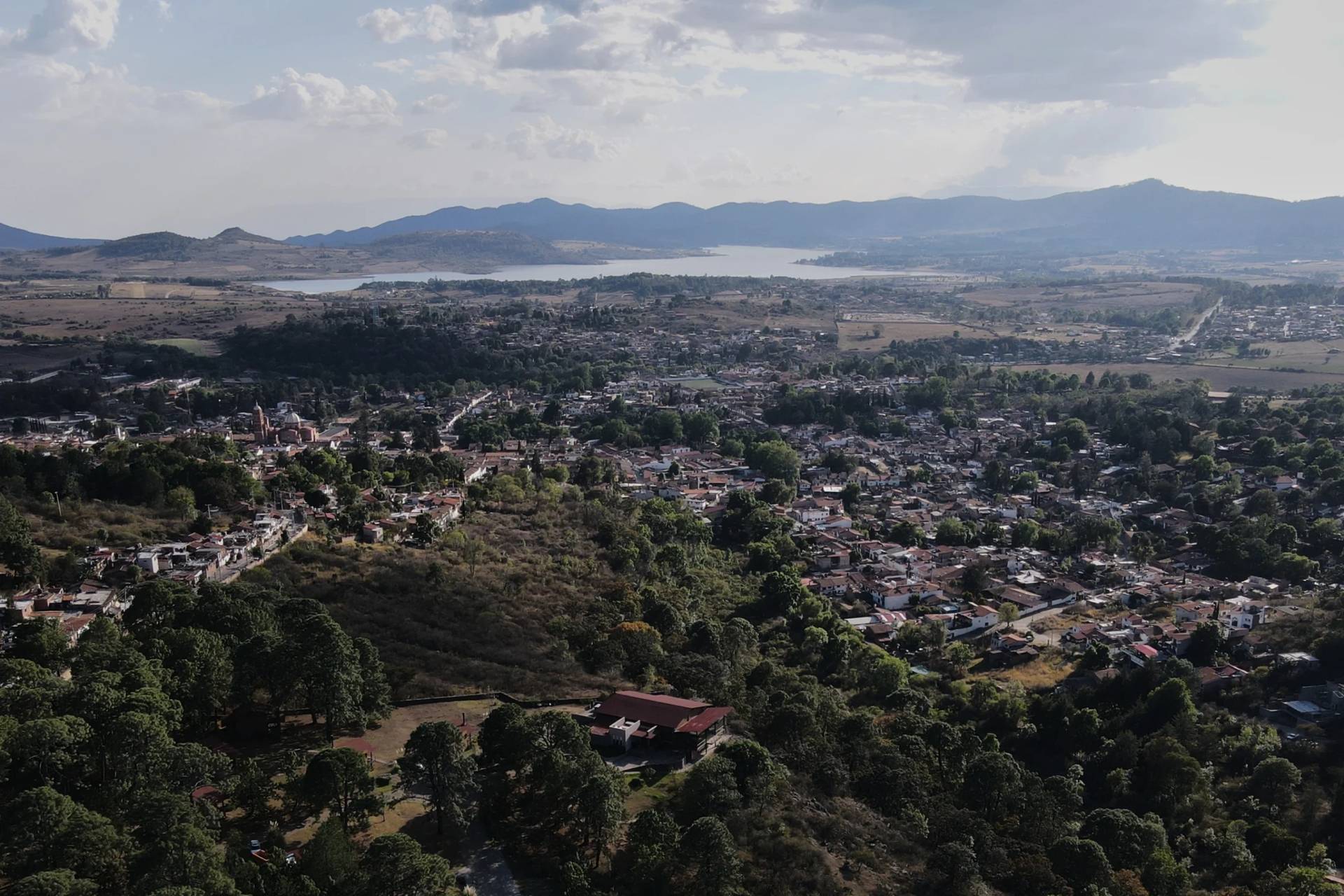
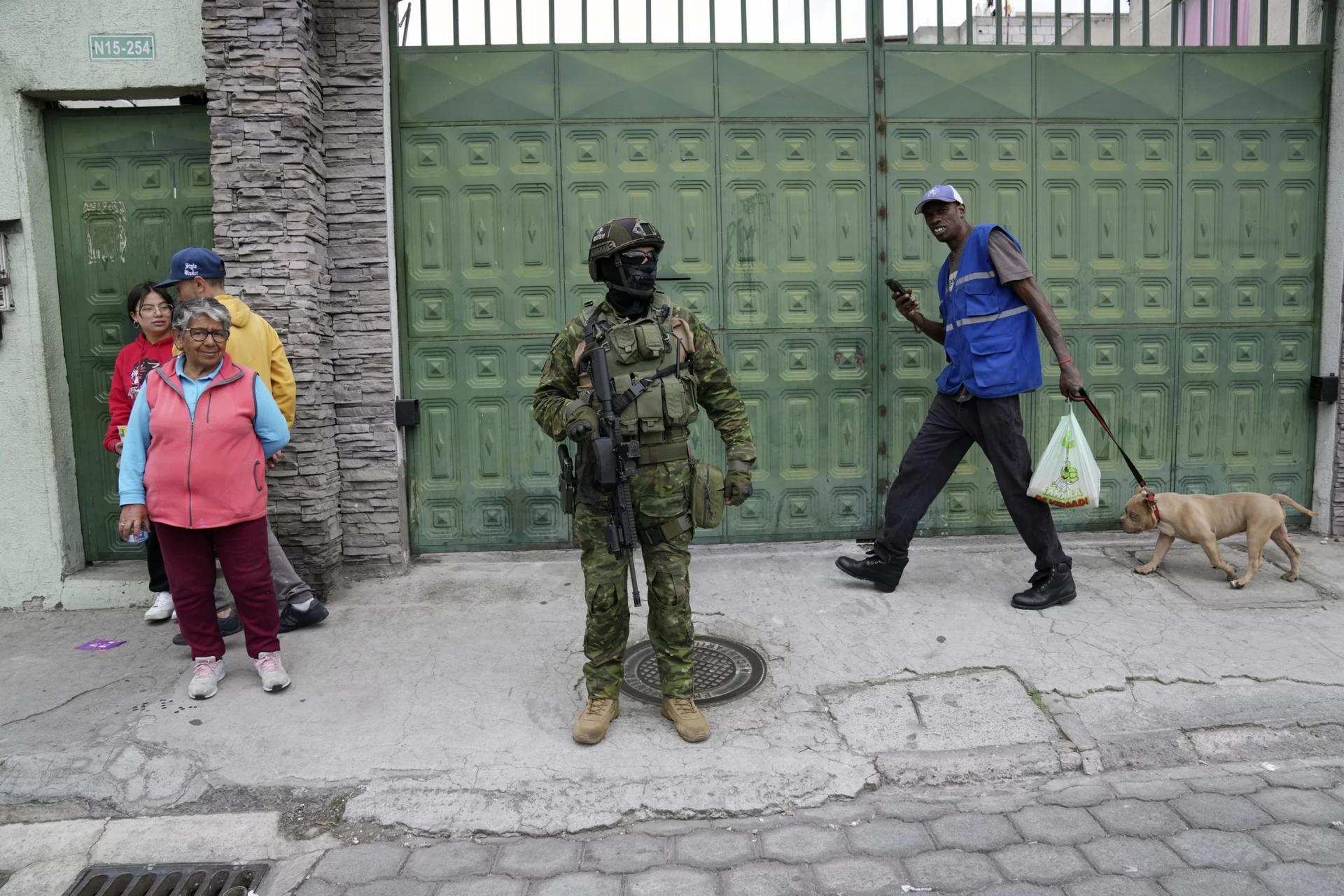
SÃO PAULO, Brazil – As the governments of Ecuador and Colombia intensify a tariff dispute over border security, the security situation in northern Ecuador and southern Colombia has deteriorated in recent months, with growing clashes among armed groups operating on both sides of the border.
Drug cartels, left-wing guerrillas, and illegal mining groups have taken control of vast territories.
The Church in both countries is expressing concern about the impact of ongoing violence on local residents and stepping up joint efforts to provide pastoral accompaniment.
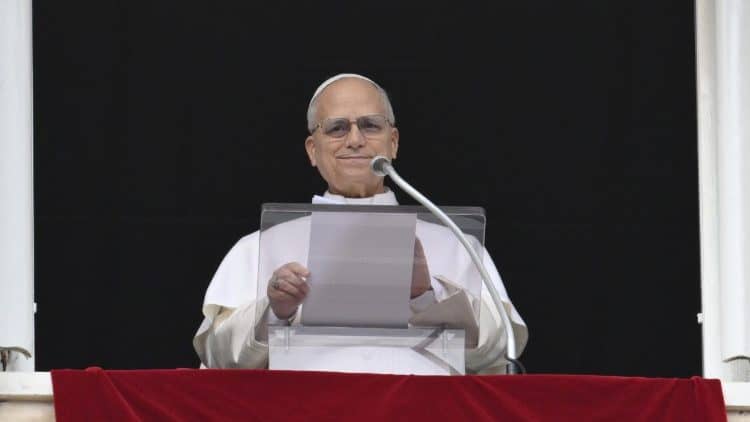
Cardinal Luis Cabrera of Guayaquil – the largest city and principal port of Ecuador, which has seen significant violence as a result of the drug trade – told Crux Now the Church in the region has been accompanying the most vulnerable communities, “offering moral and spiritual support and encouraging solidarity among them.”
“Likewise,” Cabrera said, “we invite state and civil authorities to be closer to the needs of the people and to join efforts to address their major problems, such as health care, education, employment, food, and security, which are so greatly needed.”
According to a report published by the U.S.-based nonprofit Armed Conflict Location and Event Data (ACLED), there were 750 violent incidents between 2023 and January 2026 in Esmeraldas, Carchi, and Sucumbíos, three Ecuadorian provinces bordering Colombia.
ACLED’s survey found that 11 Ecuadorian criminal groups and eight Colombian armed organizations have been operating in the area.
According to Ecuadorian news website Primicias, the events recorded by ACLED include armed clashes, attacks on civilians, and the use of explosives.
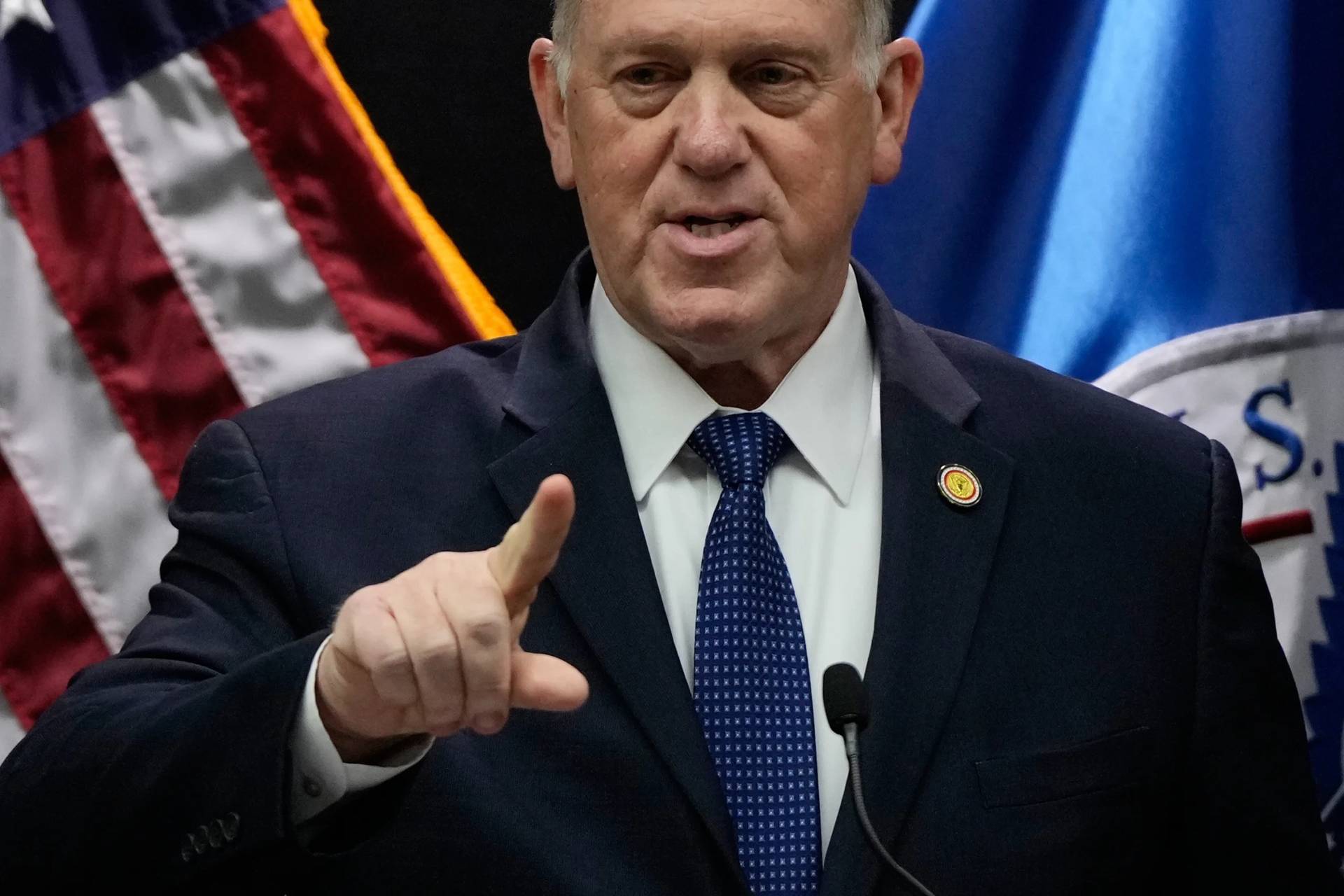
In January, Ecuadorian President Daniel Noboa announced the imposition of a 30 percent tariff on Colombian imports, describing it as retaliation for Colombia’s failure to ensure border security. The tariff is set to rise to 50 percent in March. Colombia responded with reciprocal measures.
Also in January, bishops from both sides of the border sent a letter to Cabrera outlining the critical conditions in the region and requesting a more coordinated Church response.
The bishops of the dioceses of Ipiales, Pasto, Tumaco, and Puerto Leguízamo-Solano in Colombia, and Tulcán, Esmeraldas, and San Miguel de Sucumbíos in Ecuador, said the current crisis has weakened the social and communal fabric along the border and called for “spaces of listening and reflection,” “violence prevention,” and dialogue with authorities to build peace.
“It is also necessary to promote an integral pastoral approach that recognizes the binational dimension of the border, fostering coordinated action by the sister Churches of Ecuador and Colombia,” the prelates wrote.
Cabrera responded in a Feb. 15 letter, saying he stood united with the bishops “in the commitment to becoming authentic instruments of peace.”
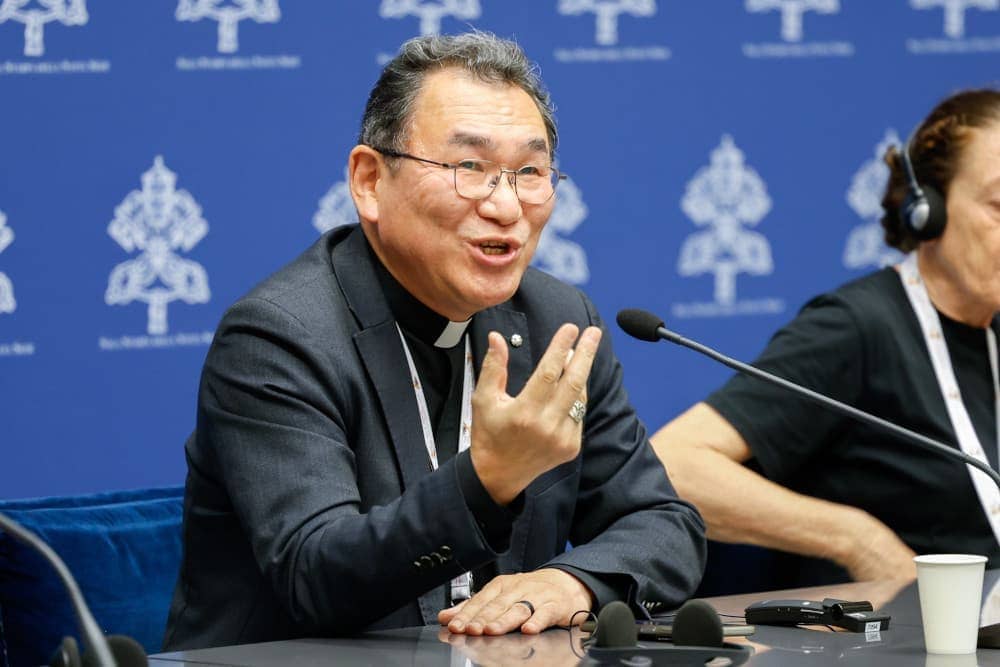
Security policies on both sides of the border have drawn criticism for inconsistencies and shortcomings. Spanish-born Father José Antonio Maeso, who has served as a missionary in Esmeraldas for two decades, told Crux Now Noboa’s security plan has not succeeded.
“In 2025, there were more killings than ever before in Ecuador. Large numbers of prisoners also died,” Maeso said. According to Ecuador’s Ministry of the Interior, there were 9,216 intentional homicides nationwide last year – the highest annual total on record.
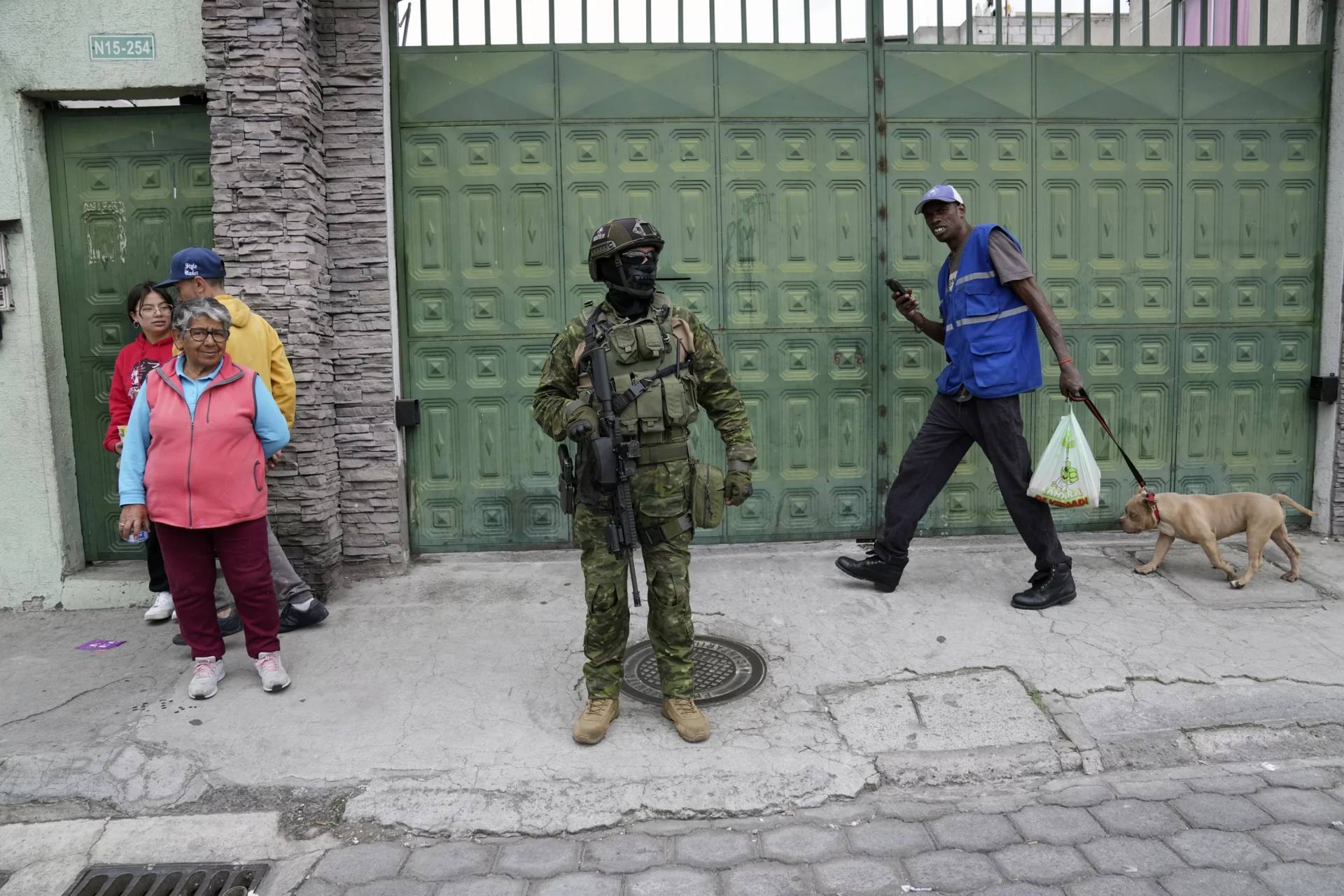
Since taking office in November 2023, Noboa has made combating violence one of his main priorities. However, his policy of mass incarceration – including deploying military personnel to patrol the streets and control prisons – has not reduced violence.
“The government has continually created enemies who must be fought, promoting a kind of war narrative. Meanwhile, it has neglected to invest in stronger policies for health care, education, and community protection,” Maeso said.
He said the border with Colombia has always been permeable, with families crossing it as needed. For years, the dominant force in the region was the Revolutionary Armed Forces of Colombia, known as FARC, a left-wing guerrilla group that operated since 1964.
A peace agreement with the Colombian government led FARC to lay down its arms in 2016.
“But dissident groups did not disarm, and now multiple factions operate in the region,” Maeso said.
The National Liberation Army, known as ELN, which has not reached a lasting peace agreement with the government, is also fragmented.
“Those dynamics encouraged other armed groups to contest control of border territories, intensifying violence,” Father Robert Yandún of the Diocese of Ipiales told Crux Now.
He said the region is also experiencing a severe economic crisis following Colombian President Gustavo Petro’s policy of targeting drug trafficking leaders.
“Previous administrations focused on eradicating coca crops. Petro chose to arrest those who purchase the crops and produce and sell drugs. Now local farmers have no income because no one is buying from them,” Yandún said.
At the same time, the market for synthetic drugs has grown in urban areas due to their lower cost and stronger effects.
“The economy of southern Colombia has revolved around drugs. That is why there is a crisis now,” Yandún said. Criminal groups continue to operate illegal mining ventures and smuggle goods across the border, “while violently disputing markets and territories,” he said.
Maeso said the Church must adopt a “prophetic stance” to face the moment, building networks and launching initiatives that promote human dignity and solidarity.
“Such actions may not immediately change reality, but they offer hope and demonstrate that another world is possible,” he said.
Social pastoral ministries help educate young people and foster critical awareness about crime, Yandún said.
“In the past, the Church had a cross-border pastoral ministry. That initiative must be revived,” he added.
Cardinal Cabrera told Crux Now this is not a time merely for criticizing public policy, but for action.
“It is necessary to move from lament and protest to a more effective commitment, in which the government and social organizations work together for the benefit of those in need,” Cabrera said.