PROVIDENCE, R.I. — Catholic priests in Rhode Island preyed on hundreds of children for decades, getting away with sexual abuse largely due to a system where bishops prioritized minimizing scandal as the diocese maintained a secret archive that concealed evidence of more victims.
These findings were among the many sobering details released Wednesday as part of a multiyear investigation into the Catholic Diocese of Providence, Rhode Island, led by Attorney General Peter Neronha.
The report was designed to spark a “full reckoning” of the abuse that had long remained elusive inside the smallest state in the U.S., home to the country’s largest Catholic population per capita, with nearly 40 percent of the state identifying as Catholic. Neronha, himself a Catholic, sided with the victims who have argued that not enough has yet been done to address the problem, more than two decades after it was widely exposed in the nearby Boston diocese.
“Not until now has there been a comprehensive review of this painful chapter in our state’s history, with a view toward offering transparency, accountability, and systemic reforms that will, I hope, lessen the likelihood of future child sexual abuse, not just within the Diocese of Providence, but in our community as a whole,” Neronha wrote in the report.
The investigation found that 75 Catholic clergy molested more than 300 victims since 1950, but officials stressed that the number of victimized children and abusive priests is likely much higher.
In a statement released on Wednesday, the diocese said, “the very existence of the Attorney General’s Report is the result of the Diocese of Providence’s unprecedented and voluntary agreement to extraordinary transparency.”
“So, it is critical at the outset to state what the Report is, and importantly, what it is not,” the diocese added.
“Despite how the Attorney General now frames this as an ‘investigation’, the Report did not result from legal compulsion, criminal or civil administrative proceedings, or coercion by governmental power. This voluntary records review was made possible only because the diocese freely granted access to the Attorney General through a 2019 Memorandum of Understanding (MOU), set aside its valid legal objections and willingly endured six-and-a-half years of persistent requests for over seventy-five years of material,” the diocesan statement said.
Abusive priests able to hide, transfer to new locations
The diocesan records, described as “damning” in the report, revealed that the diocese often transferred accused priests to new assignments without thoroughly investigating complaints or contacting law enforcement.
This included the Diocese of Providence opening a “spiritual retreat-style facility” in the early 1950s, where several accused priests were sent for treatment with the goal of returning to work. This practice evolved into sending accused priests to more formal “treatment centers” after determining clergy abuse may be a mental health problem.
The report said the diocese’s “overreliance and misplaced faith” in the treatment centers was at best “absurdly pollyannaish.”
By the 1990s, accused priests were sometimes placed on sabbatical leave.
For example, the report says priest Robert Carpentier was accused in 1992 of sexual abuse by the family of a 13-year-old victim. Carpentier confirmed the abuse took place in the 1970s and resigned.
Carpentier was sent to a treatment center in Connecticut and eventually went on sabbatical at Boston College. He remained on a “leave of absence” until his official retirement in 2006 and received support from the diocese until he died in 2012.
Overall, the majority of cases involving accused priests avoided accountability from both law enforcement and the diocese.
Neronha said his office has charged four current and former priests for sexual abuse they allegedly committed while serving in the diocese between 2020 and 2022. Three of those priests are still awaiting trial. The fourth priest died after being deemed incompetent to stand trial in 2022.
In total, only 20, or about 26 percent of the clergy identified in the report, ever faced criminal charges, and just 14 clergy were convicted. A dozen accused clergy were laicized or dismissed from the clerical state.
Some survivors were groomed before abuse
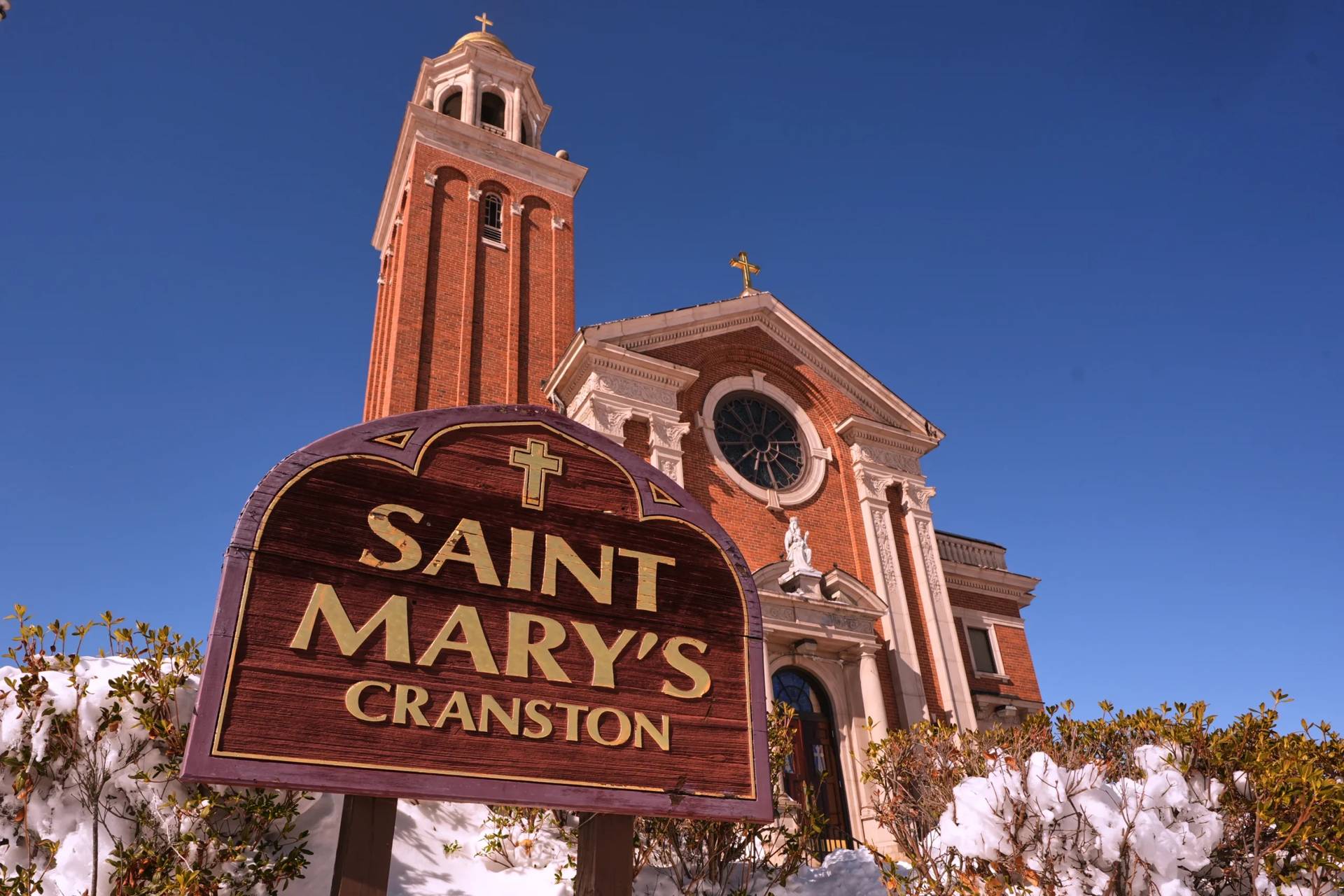
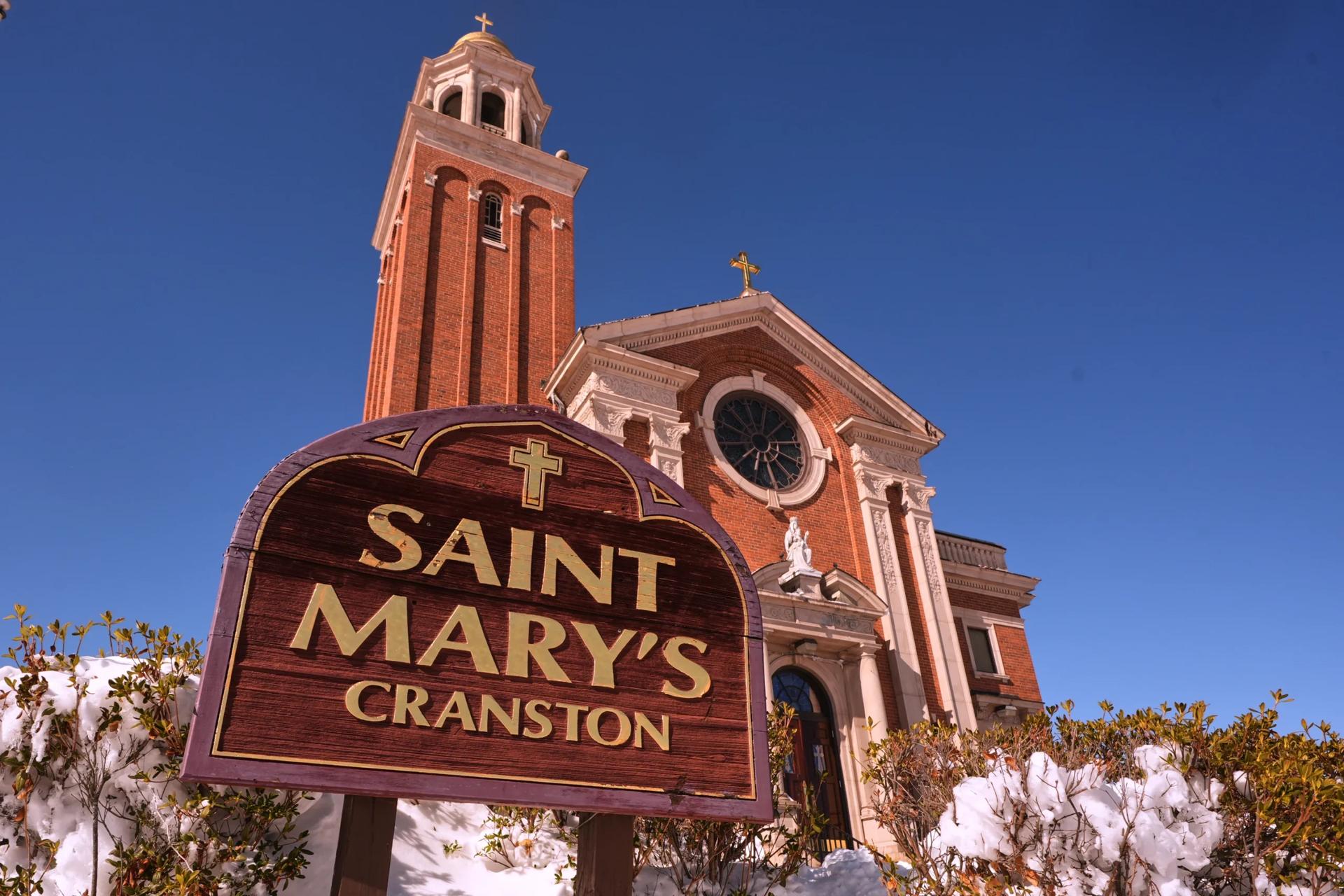
One survivor in the report shared that he was groomed before he was sexually abused by Monsignor John Allard, who served at Immaculate Conception Church in Cranston in 1981.
The survivor, who is not named in the report, said Allard gave him attention and physical affection between seventh and eighth grade. By ninth grade, Allard brought the young teenager to the priest’s bed, took off the victim’s clothing and began fondling his penis.
“He never asked me for a hug, he never asked me if I wanted a hug, his comment to me was always, ‘You need a hug,’ and that’s something that I can hear him saying very clearly to this very day,” the survivor told officials in 2013.
While a review board deemed the victim’s abuse credible, then-Providence Bishop Thomas Tobin intervened, asking the Vatican’s powerful doctrine office to allow Allard to retire without being removed from the priesthood. The Vatican agreed.
Sometimes, even those tasked with reviewing abuse cases were also abusers. In 2021, priest Francis Santilli received a child sexual abuse complaint after serving on Rhode Island’s diocese review board. Santilli stepped down, but remained in active ministry even after receiving additional abuse complaints in 2014 and 2021. Santilli wouldn’t be removed until 2022.
“Only the Diocese can explain why this plainly necessary action took so long,” the report says.
Extent of abuse still unknown
Neronha first launched the investigation in 2019, nearly a year after a Pennsylvania grand jury report found more than 1,000 children had been abused by an estimated 300 priests in that state since the 1940s. The 2018 report is considered one of the broadest inquiries into child sexual abuse in U.S. history.
However, unlike Pennsylvania, Rhode Island law doesn’t allow grand jury reports to become public — a hurdle that Neronha has long fought to change.
Instead, Neronha had to enter into an agreement with the diocese to access hundreds of thousands of records of abuse that spanned decades.
While Neronha said the church cooperated, handing over 70 years of what became known as the “secret archive,” or files containing internal investigations, civil settlement records of sexual abuse cases, treatment costs and more.
Yet Neronha says the arrangement “was not without important limits, or without delays.”
“It repeatedly refused my team’s requests for interviews of Diocesan personnel responsible for overseeing the Diocese’s investigations and response to child sexual abuse allegations,” Neronha wrote about the diocese.
Furthermore, an unknown number of victims likely died before coming forward, while some church records have been lost or even destroyed surrounding possible abusive priests. It’s also common for child sexual abuse victims to take decades before coming forward with their stories.
Diocese of Providence says today’s standards cannot adequately judge responses from 40 years ago
“The Report repeatedly criticizes the diocese’s very early response to the crisis. In doing so, it often applies contemporary standards, practices, and awareness to conduct that occurred nearly a half century ago when the world was very different,” the diocesan statement says.
“Times have changed. As the medical community and wider society’s understanding of these issues has grown and matured, so did the diocese’s own responses and understanding,” the statement continues.
“Today’s standards cannot adequately be applied to yesterday’s conduct—yet the Report does so repeatedly to judge the diocese’s response,” the diocese says.
Crux Staff contributed to this report.