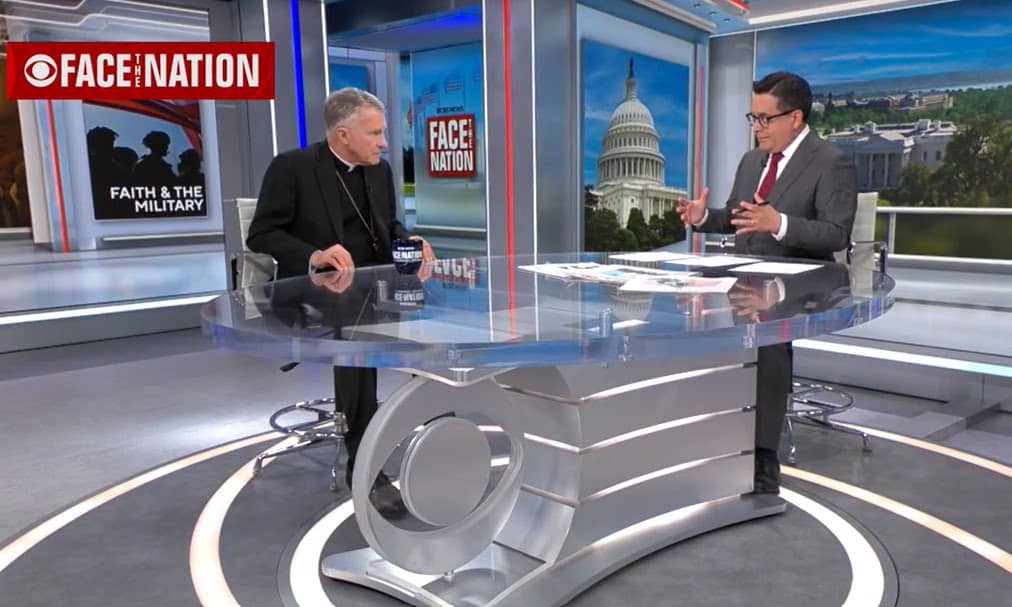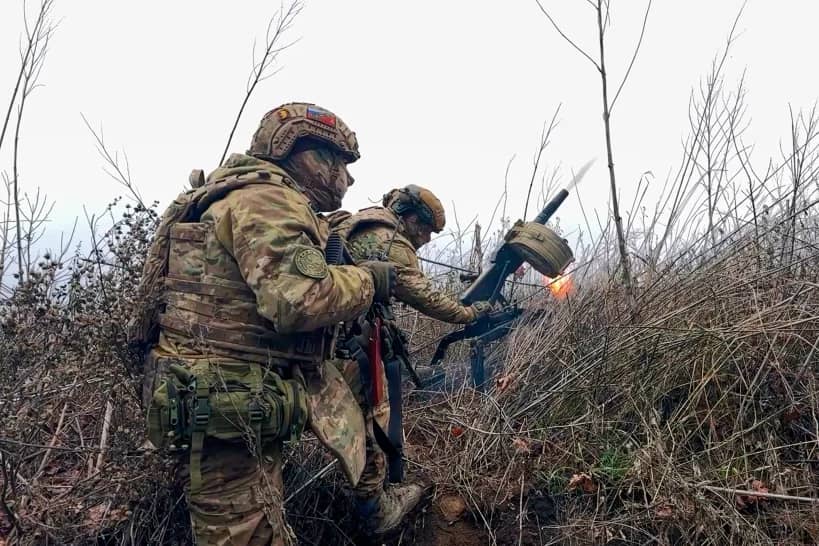
Archbishop Timothy Broglio said the U.S.-Israel war on Iran likely fails just war standards, even as he stressed that rank-and-file troops are generally bound to follow orders unless they are “clearly immoral.”
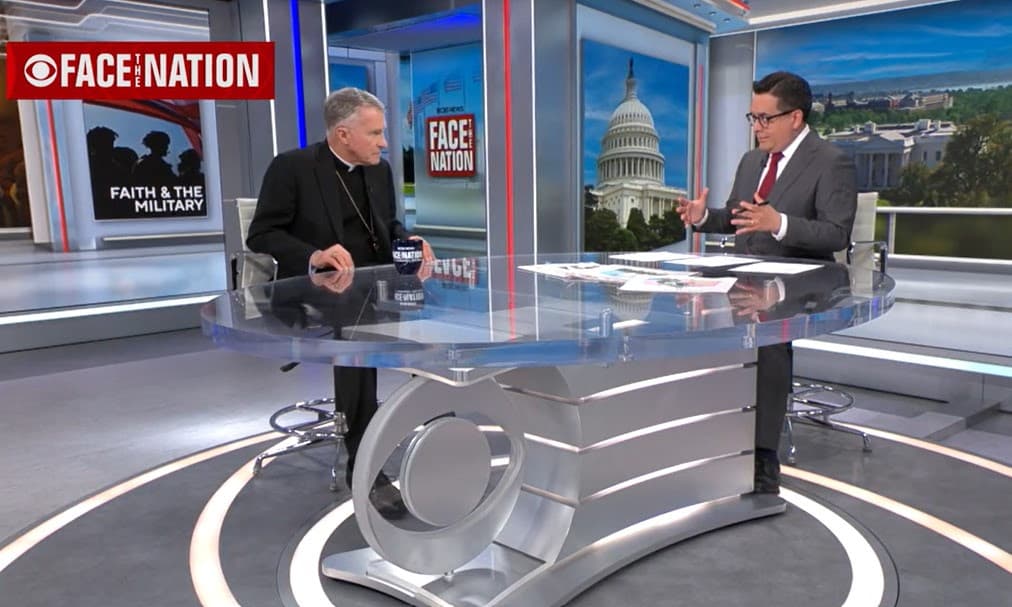
Average troops must look at the chain of command when dealing with the question of a “just war,” according to Broglio, who serves as the archbishop for the U.S. military, in an interview with Face the Nation on CBS, while also saying he didn’t think the conflict in Iran satisfied the need for war.
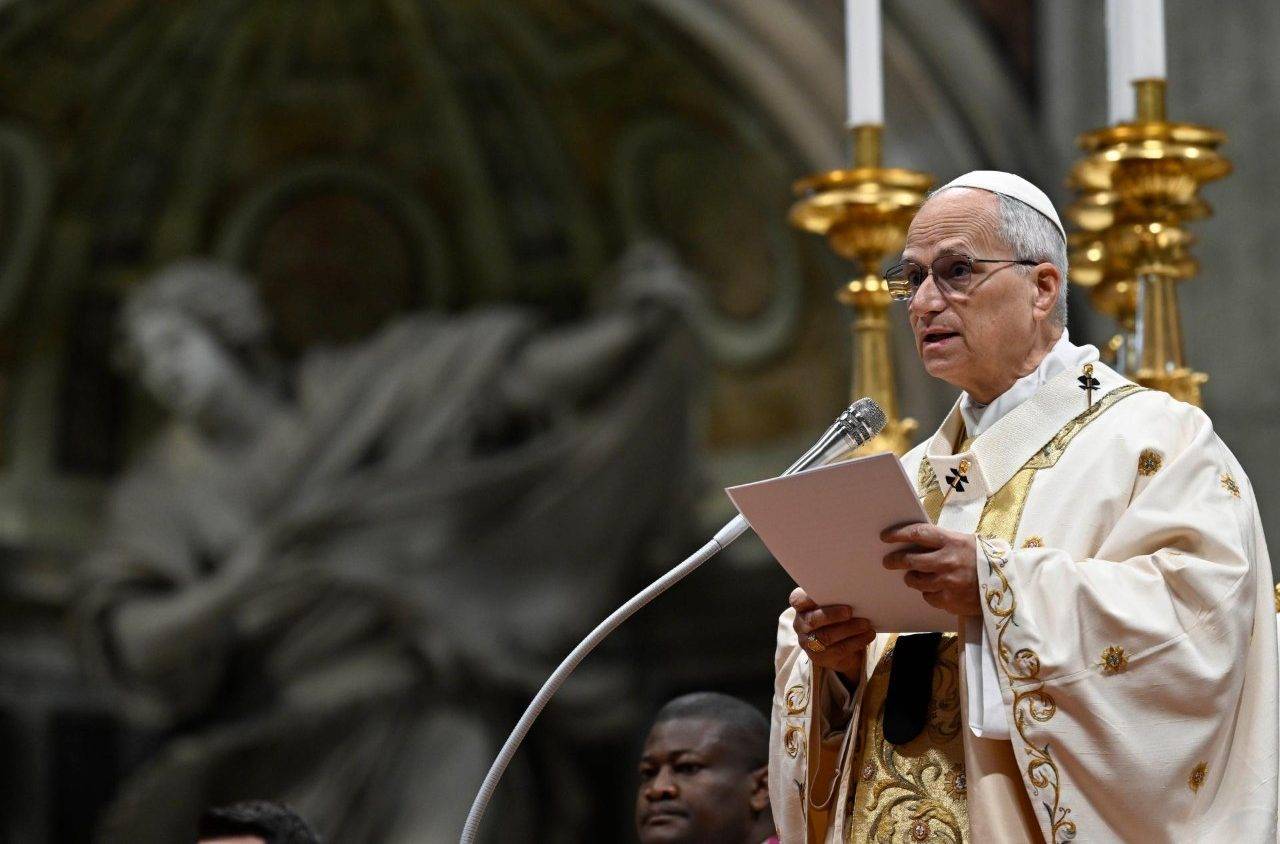
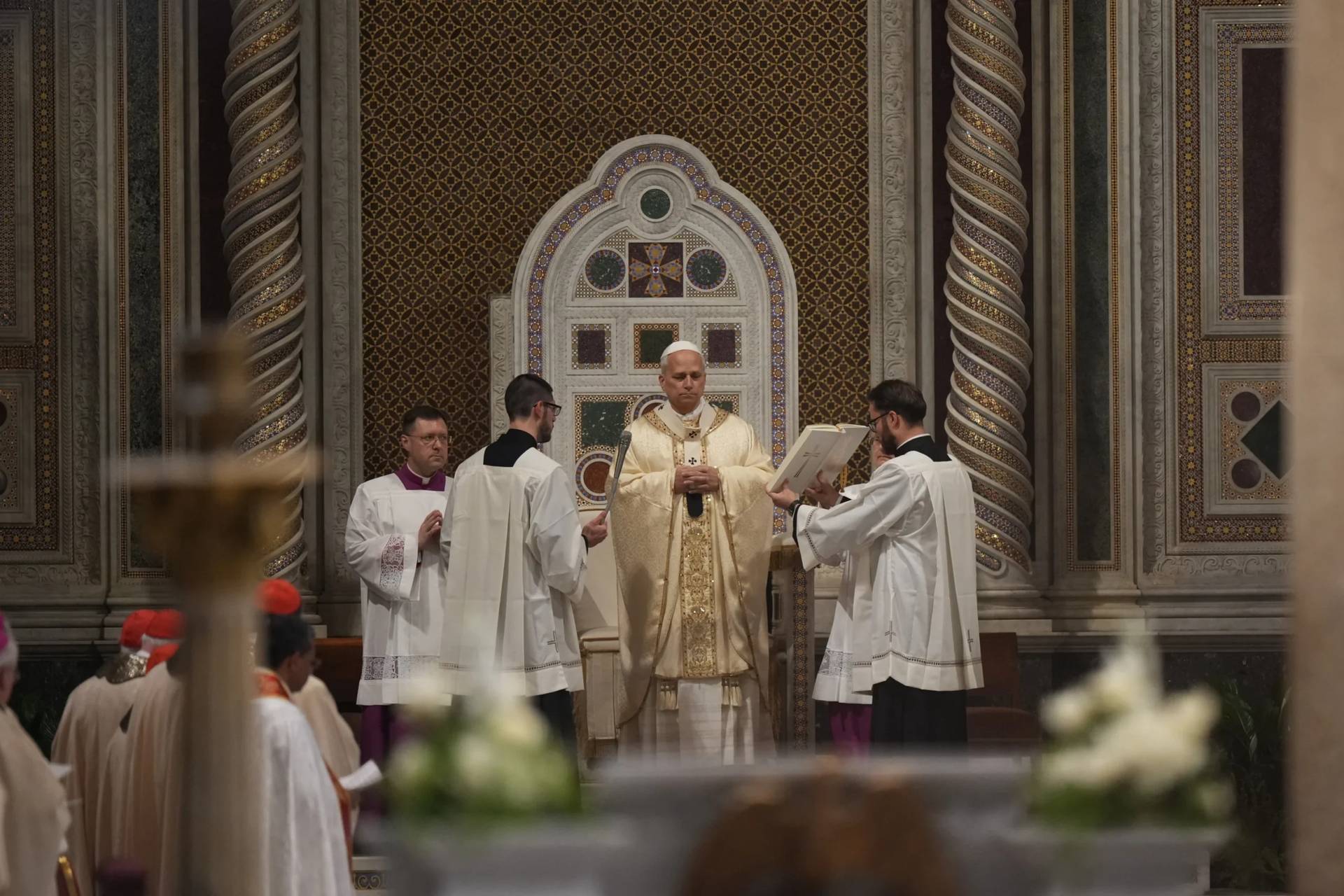
The archbishop spoke on April 2, 2026, the day after Pope Leo XIV expressed hope that the U.S.-Israel war on Iran could be concluded before Easter.
“I’m told that President Trump has recently stated that he would like to end the war,’’ the U.S.-born pope said. “I hope that he’s looking for an off-ramp.’’
RELATED: Pope Leo XIV urges an Easter end to the US-Israel war on Iran, calling for dialogue
“Hopefully he’s looking for a way to decrease the amount of violence, of bombing, which would be a significant contribution to removing the hatred that’s being created, that’s increasing constantly in the Middle East and elsewhere,” Leo said.
In his interview with Face the Nation, Broglio said the pontiff’s words are important.
“And I- I turn just to Paul VI, who made very few trips outside of Italy, but when he did come to the U.N., he made that dramatic appeal, which I saw live on television as a little kid… Never again war, never again war,” the archbishop said.
“Now, so many years later, we’re still in this situation. So I think Pope Leo would definitely support saying that we have to find a situation where men and women can sit down and find avenues of peace,” he said.
The interviewer mentioned the fact that Broglio said an attack to get Greenland by force would be an unjust war, and also said the attack on Venezuelan boats was illegal and immoral. He asked the archbishop if the war against Iran was immoral.
“I would think under the just war theory it is not, because while there was a threat with nuclear arms, it’s compensating before the threat is actually realized,” the archbishop said.
“I realize also that you could say, well, with whom are you going to negotiate? And that is a problem. But in the meantime, lives are being lost, both there and also among our troops. So it is a concern,” he added.
However, the archbishop spoke about how individual troops should deal with “just war” debates.
“Obviously, the way conscientious objection is set up in the United States military, you cannot object to a specific war or a specific action. You can only … [be] opposed to war,” he said.
“So I would think it depends on where you are in the chain of command. Obviously, the Marine who’s given an order, he’s not in a position to resist that order,” Broglio explained.
“I mean, he has to obey unless it’s clearly immoral. And then he would probably have to speak to his chaplain, to his chain of command,” he said.
The archbishop suggested that generals and admirals might have space to look at this differently.
“But having spoken to some of them too, they’re also in the same dilemma. So I guess my counsel would be to do as little harm as you can, and to try and preserve innocent lives,” he said.