Two months ago, New York Governor Kathy Hochul said the state would make assisted suicide available to terminally ill people determined by doctors to have less than six months to live.
There were already 12 U.S. states that legalized assisted suicide, and Oregon, the first state to approve assisted suicide, had a dramatic spike in non-medicalized suicide afterwards that peaked at 41 percent.
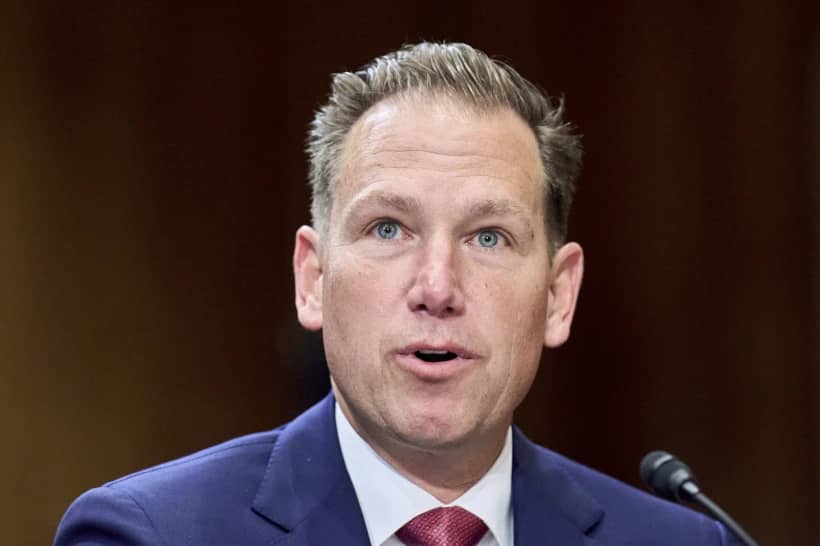
“There is a blatant double standard in promoting suicide for some and seeking to prevent the suicide of others,” Joseph Meaney told Crux Now.
He is the Past President and Senior Ethicist of the National Catholic Bioethics Center, and recently wrote an article on the rising rates of suicide in states and countries that have legalized medically assisted suicide.
RELATED: New York is set to legalize medically assisted suicide with ‘guardrails,’ governor says
Aside from several U.S. states, several countries including Austria, Belgium, Canada, Germany, Luxembourg, parts of Australia, the Netherlands, Portugal, Spain and Switzerland have legalized this practice.
“Statistics show that states with legalized assisted suicide also see a rise in general suicide,” Meaney said.
“This is entirely predictable as the governmental and medical authorities in that jurisdiction have accepted that certain individuals should be aided in killing themselves,” he added.
Meaney’s interview with Crux Now is below.
Crux Now: You note the first quarter century of the 2000’s has seen a 40 percent surge in suicides in the United States. Why do you think this is so?
Meaney: There are certainly many causes for the enormous rise in US suicides in recent decades.
The National Catholic Bioethics Center (NCBC), where I work, recently organized a workshop on mental health and all the experts told us there is a mental health crisis in the USA that is worsening. This leads directly to increased suicides.
Substance Abuse, particularly addiction to opioids, played a big part in higher suicide rates in the period from 2013 to 2021.
The social isolation that came with the COVID-19 Pandemic also played a key negative role, particularly for children and young adults, including a surge in depression, anxiety, and feelings of hopelessness.
Social media addiction and overuse of smartphones and technology among younger generations have included cyber-bullying and pushing people to suicide.
One factor that is rarely mentioned but quite real is the legalization of assisted suicide in many U.S. states.
How does the legalization of assisted suicide affect suicides in general?
Statistics show that states with legalized assisted suicide also see a rise in general suicide.
This is entirely predictable as the governmental and medical authorities in that jurisdiction have accepted that certain individuals should be aided in killing themselves. Others who do not fit the criteria laid down by the law but also feel hopeless and despairing can come to see suicide as their best choice.
Legalized assisted suicide makes suicide more likely for persons who are psychologically vulnerable. Simple knowledge that a person has committed suicide is a risk factor for many. The promotion of suicide as a “good and healthy” option by many organizations harms not only the sick and elderly but also the depressed and mentally ill who can be seduced by this choice.
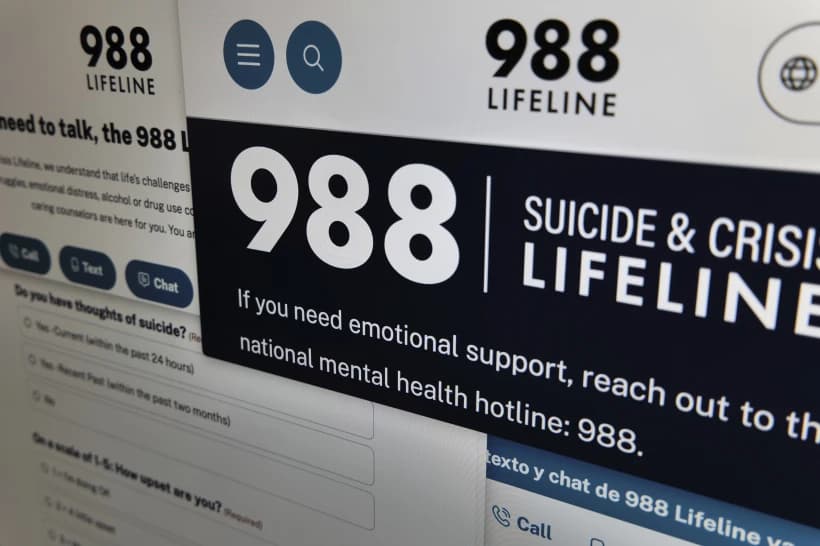
Right now, if I do a Google search on “assisted suicide” – I live in the UK, where the House of Lords is debating the law – it automatically returns a message and resources for suicide prevention. Is this idea that “suicide is bad” affected by the legalization of physician assisted suicide?
Most certainly. There is a blatant double standard in promoting suicide for some and seeking to prevent the suicide of others.
When the basic ethical position that one should not take the lives of the innocent is rejected, and certain individuals are deemed to have lives “not worth living,” it opens the floodgates for acceptable suicide both medically and socially.
You write about documented “Werther effect”. What is that?
The psychological term is derived from Goethe’s 1774 novel, The Sorrows of Young Werther, where the suicide of the protagonist in the book inspired similar acts among unhappy young men all over Europe.
It was coined by sociologist David Phillips in 1974. The documented phenomenon concerns media coverage of a suicide, particularly that of a celebrity or prominent figure, leading to an increase in copycat suicides in the general public. It highlights the risk of “suicide contagion,” where vulnerable individuals identify with the deceased and imitate their actions.
The promotion of assisted suicide and the deaths of different persons lead to copycat suicides. When people commit assisted suicide, it can influence family members to also kill themselves.
Many people claim opposition to assisted suicide – and less frequently suicide in general – is “religiously based.” Why should non-religious people be attentive to this issue?
Suicide, whether assisted or decried, is an act of hopelessness. It indicates the individual sees no further reason to live. Non-religious people can easily identify this phenomenon as problematic. For those who do not believe in life after death, suicides of despair are just as – if not more – tragic than for those who believe in an eternal life after death. It should be a general concern for all that people are suffering depression and other mental illness leading to suicide.
Also, medically assisted suicide is an admission that the health care system has failed a person in not curing him/her or provided an acceptable quality of life. It is easier and cheaper to euthanize or assist the suicide of patients rather than giving them the support and care they need. It is also a deep moral flaw in a society when it chooses this path.
Follow Charles Collins on X: @CharlesinRome