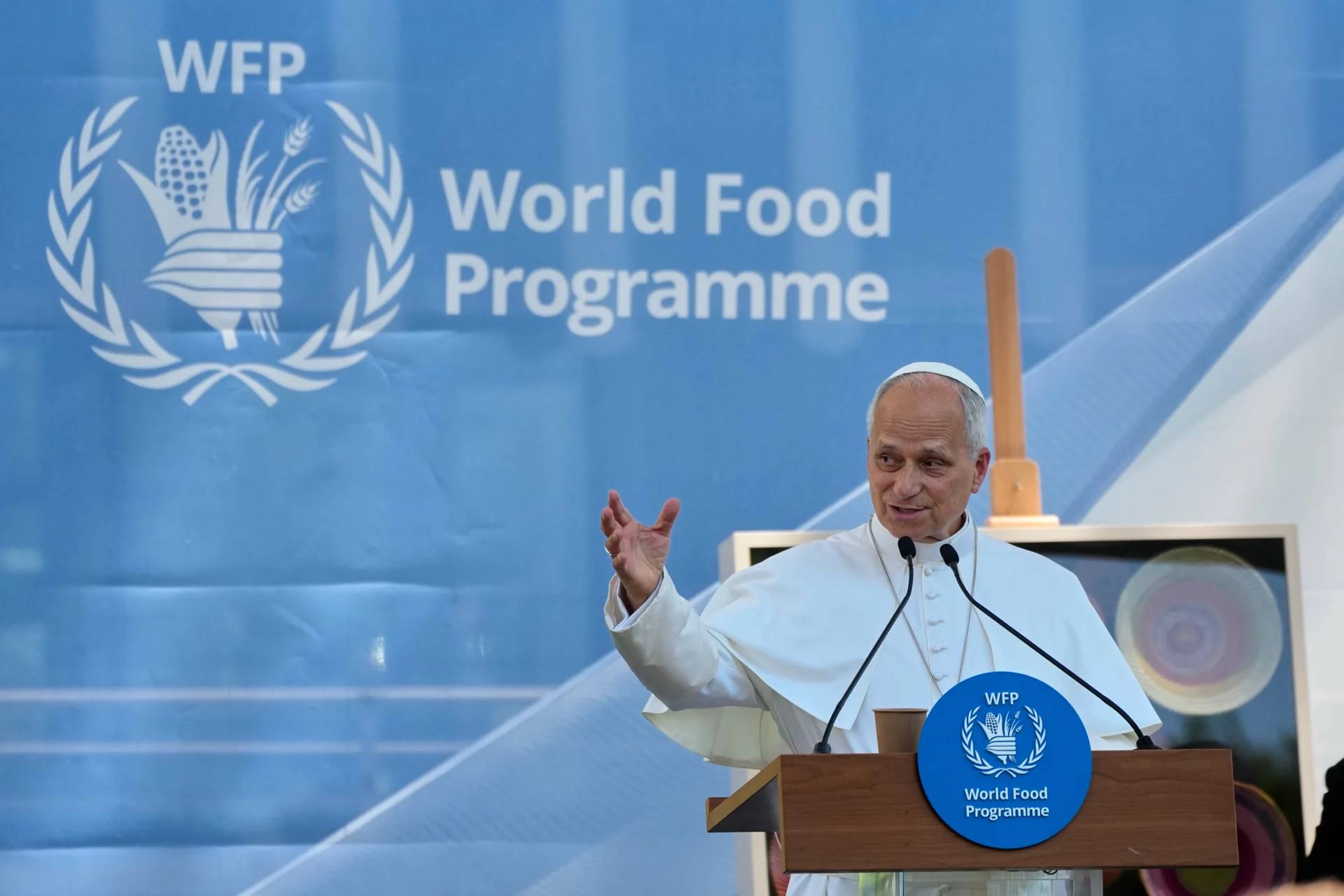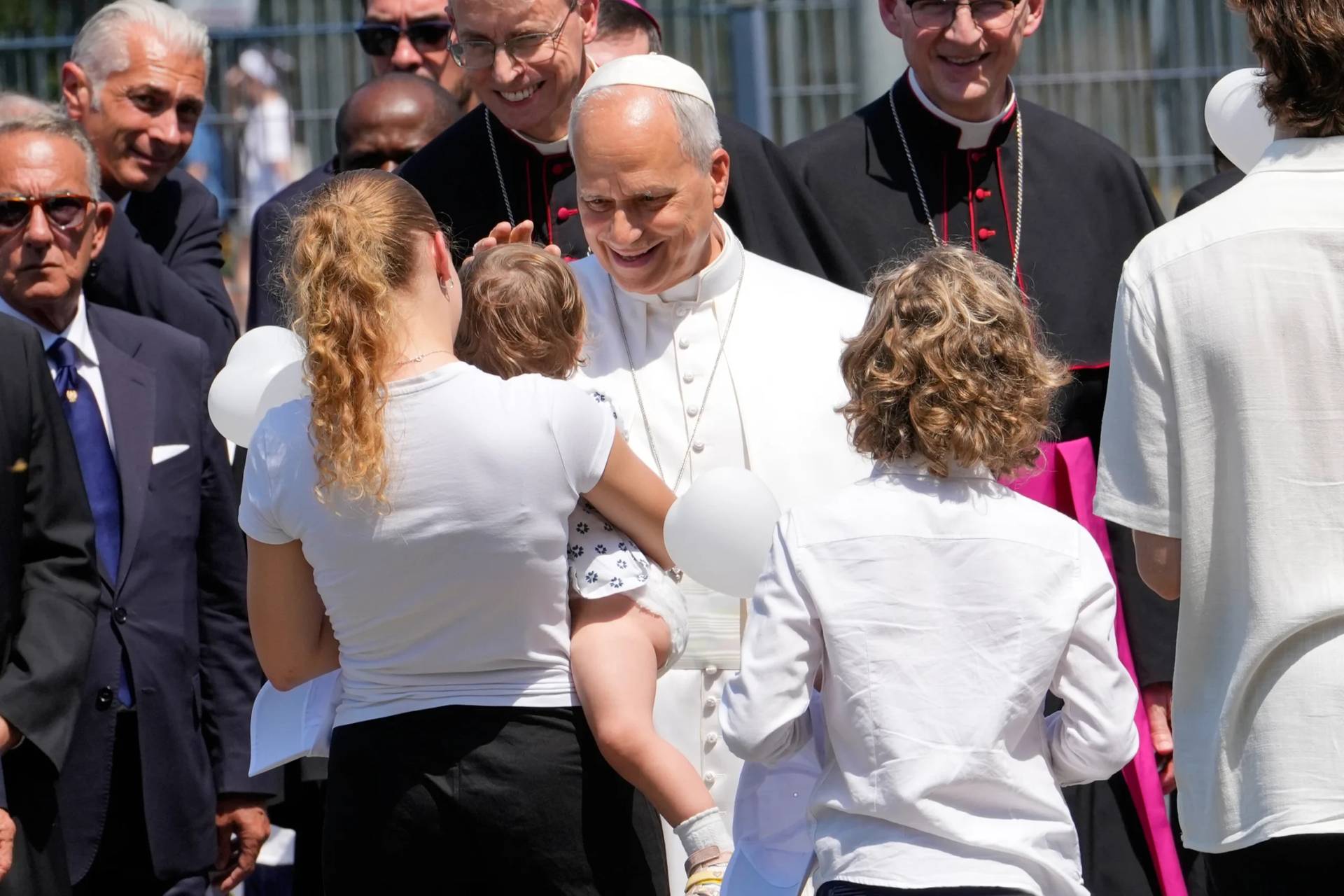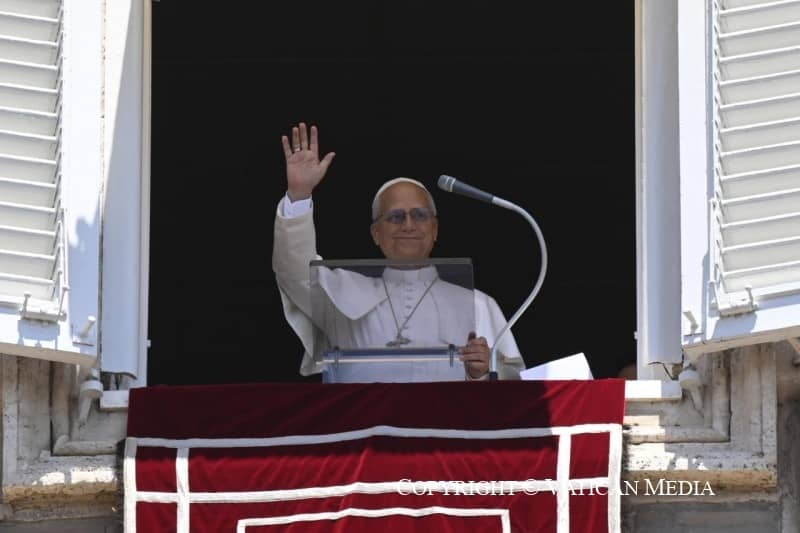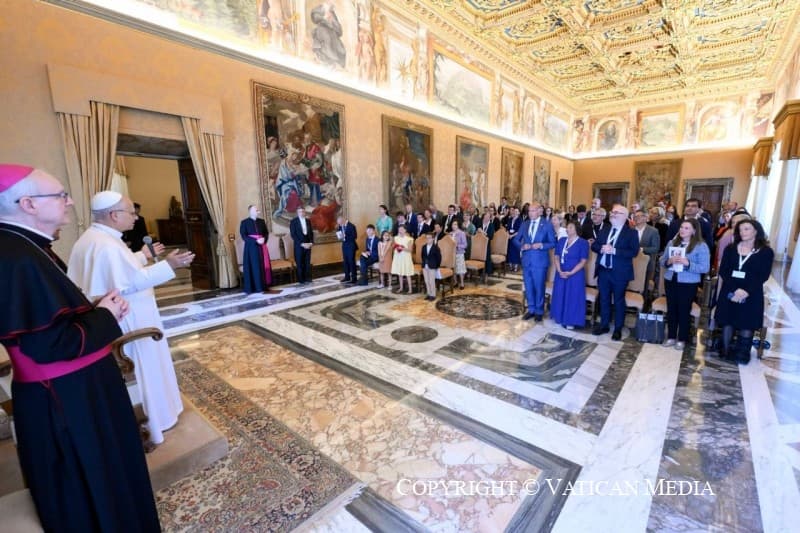
Pope Leo XIV issued a forceful defense of human life and dignity on Monday, calling on Catholics in medicine and related fields of biomedical research to be “committed witnesses in society, dedicated to the constant pursuit of the common good.”
“This is the first great principle of the Church’s social teaching,” the pontiff said, “and the ‘social form’ of the dignity recognized in everyone.”
“The common good excludes none of those who were created in the image and likeness of God,” Leo said.
The pope also warned against abuse of technology to replace or supplant the humanity of medical caregiving.
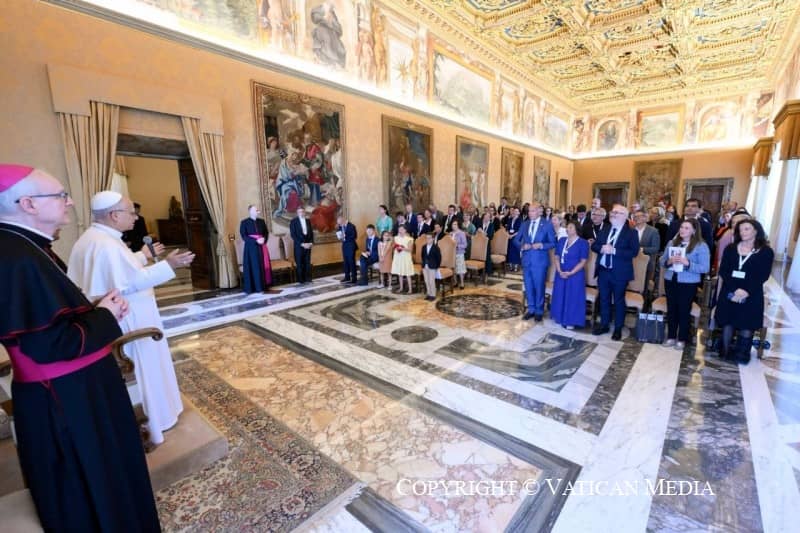
The pope was speaking to members of the Jérôme Lejeune Foundation, the Paris-based organization founded in 1995 to continue the work of its namesake, Dr. Jérôme Lejeune, who dedicated his life to caring for patients with intellectual disabilities.
A French pediatrician and geneticist born in 1926, Lejeune famously discovered the genetic cause of Down Syndrome – Trisomy 21 – in 1958.
Throughout his life, Lejeune opposed prenatal testing for eugenic purposes and strongly advocated for the right to life and dignity of all people.
Lejeune was a key architect of the Pontifical Academy for Life and served briefly as the Academy’s president before his death in 1994.
Pope Francis recognized Lejeune’s heroic virtues and declared him Venerable on January 21, 2021.
In French-language remarks to Lejeune Foundation members on Monday in the Consistory Hall of the Apostolic Palace, Pope Leo XIV praised the organization’s namesake as “a man of science and wisdom,” who “quickly realized that his scientific discovery would be used to eradicate people with Down syndrome before they were even born.”
“He did not hesitate to become their advocate,” the pontiff said, “denouncing the transgression of the Hippocratic Oath and this new eugenics, which he called ‘chromosomal racism’.”
“His prophetic pronouncements led him to defend the life of every human being, invoking the inviolable dignity that originates in God’s act of creation,” the pontiff continued.
The pope also noted how Lejeune’s fearless willingness to speak truth to power in defense of human life and dignity “earned him hostility in certain scientific circles.”
“Professor Lejeune was aware that while technology can assist medicine, it can never replace it,” Leo said.
“He knew,” Leo said, “that technology can be used against medicine – which is by its very nature dedicated to life – as is evident when technology escapes all necessary ethical oversight and calculations of efficiency, profitability, or utility prevail.”
“A person’s worth does not depend on what they achieve or produce,” Leo said.
“Therefore,” the pontiff continued, “no doctor should ever presume, based on laboratory algorithms, to decide the fate of an embryo or an elderly person.”
“Medicine,” said Pope Leo XIV, “can never become the servant of programmed death.”
The Lejeune Foundation exists to continue the work initiated by its namesake in the present and into the future, focusing on research, care, and the unconditional defense of the human person.
Leo said he is “delighted” by the prominent role Foundation members from around the world play in research on intellectual disabilities of genetic origin and praised members’ support for the Jérôme Lejeune Institute, which provides consultations to thousands of patients suffering from various mental disabilities.
The pope encouraged the members’ commitment to life and human dignity, particularly with regard to public authorities.
“I know that you regularly participate in societal debates to protect every person in all circumstances of their life,” the pontiff said.
Leo XIV specifically mentioned the Foundation’s support for the International Chair in Bioethics, which provides academic training to healthcare professionals, legal experts, and philosophers.
“Thank you for this training that you provide,” the pope said, noting that the training they provide helps men and women contribute to the work of fostering a medical ethic truly in service to human life and dignity.
“The message and work of Venerable Jérôme Lejeune,” Leo said, “are based on the universality of reason and heart combined.”
“May he inspire the courage of the truth in the many young people and professionals who desire coherence,” the pope continued.
“May he help them,” Leo said, “to unite – without rigidity – reason and faith, word and deed, the absence of judgment on persons and the rejection of falsehood.”