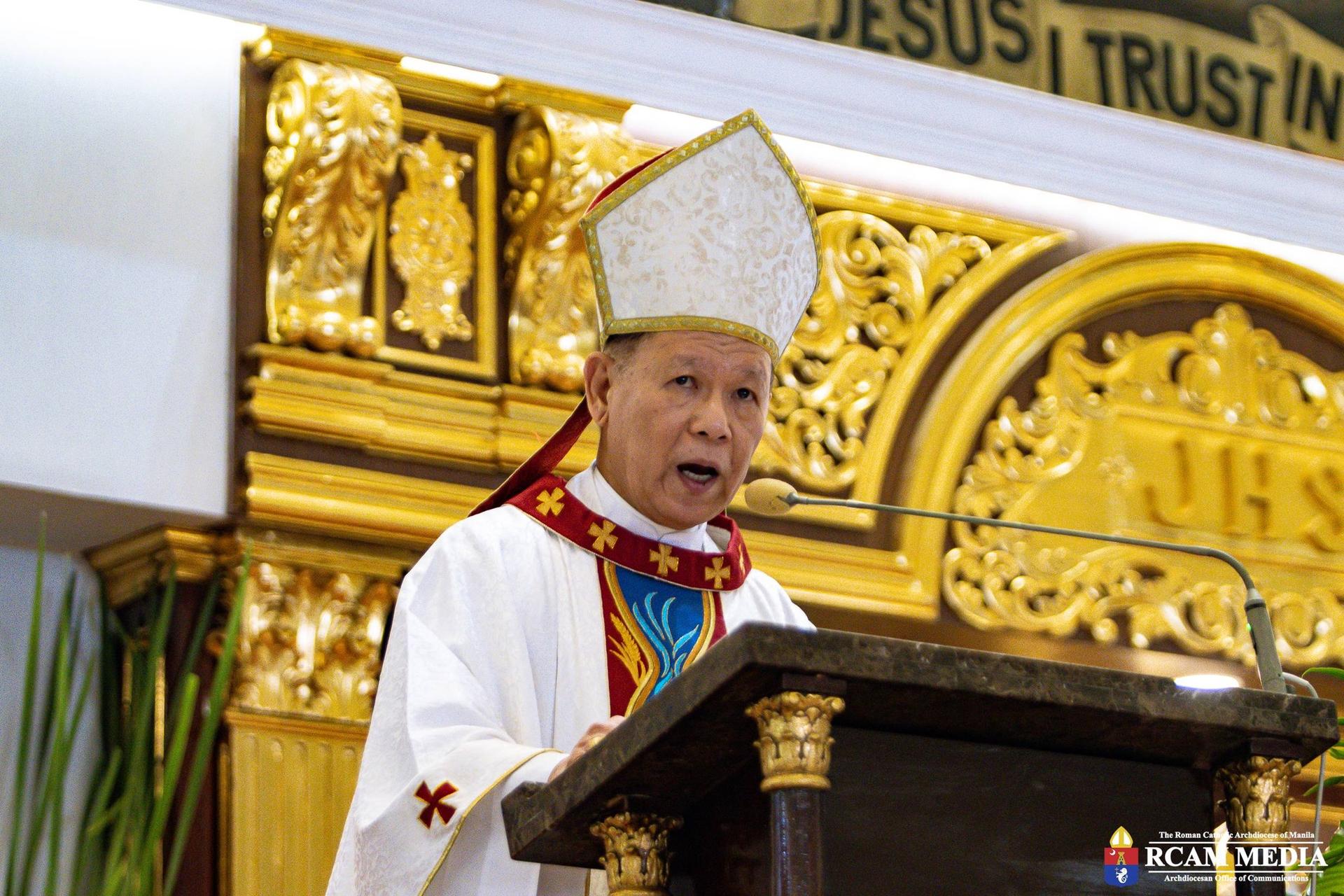
MANILA, Philippines – Cardinal Jose Advincula, the archbishop of Manila, is mounting an unconventional response to the energy crisis caused by the U.S.-Israel war on Iran.
In a circular posted on social media on April 26, Advincula rallied his 3.3-million-strong archdiocese to collect used cooking oil for conversion into biodiesel.
Biodiesel “is a renewable, biodegradable fuel manufactured domestically from vegetable oils, animal fats, or recycled restaurant grease,” according to the U.S. energy department. It is often mixed with petroleum diesel, and is viewed as a way to lessen the Philippines’ dependence on imported oil.
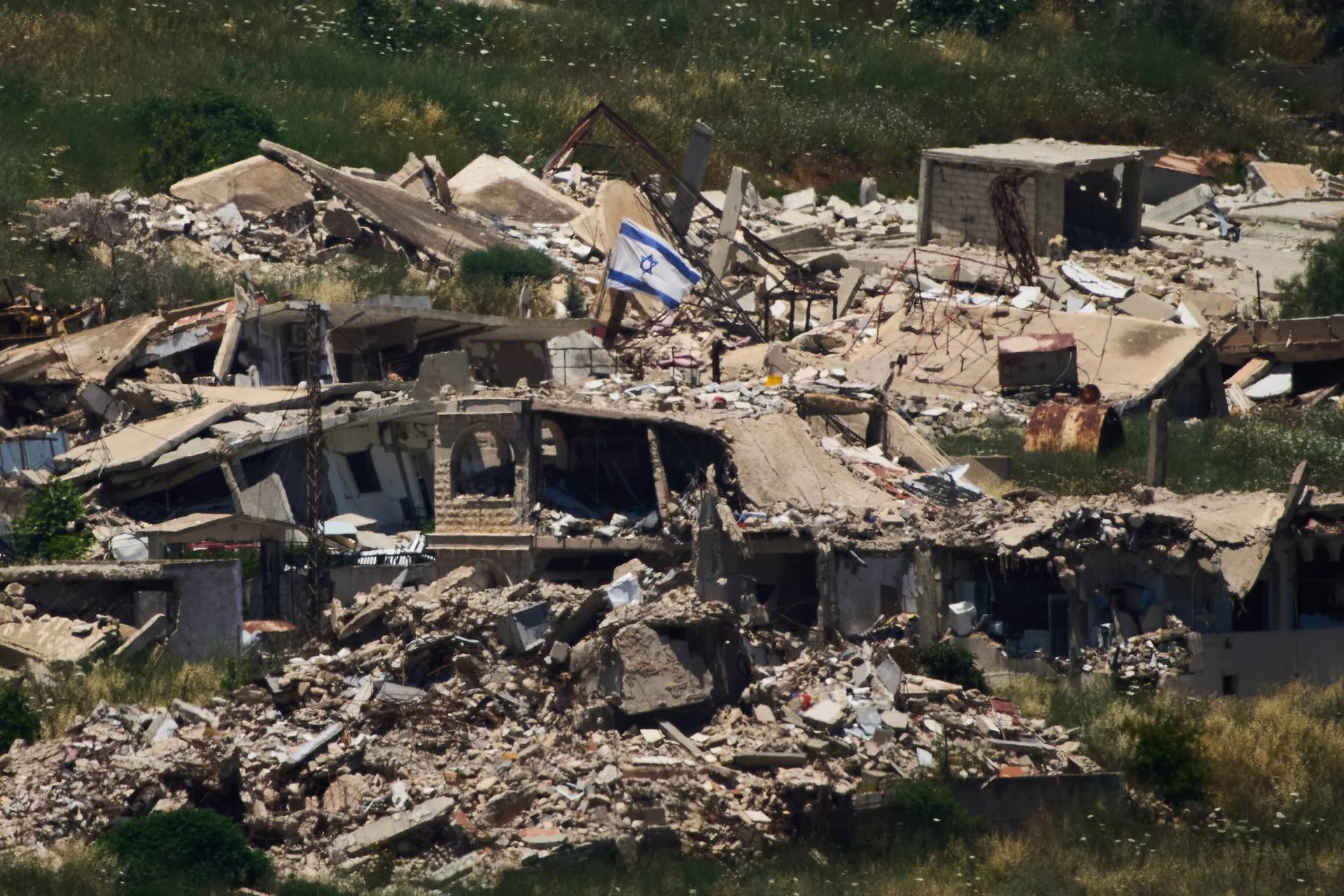
The Philippines imports 95-98 percent of its oil from the Middle East, making it one of the countries hardest hit by the U.S.-Israel war on Iran. The Philippines has only enough oil to last 52 days as of April 21, according to the Marcos government, which is now scrambling for alternatives such as fuel rationing.
Advincula, 74, said the archdiocese is collecting used cooking oil “in the face of growing global challenges related to energy supply and environmental sustainability.”
He explained that used cooking oil, when properly collected, “can be transformed into biodiesel, a renewable and cleaner fuel derived from recycled oils.” He said that producing biofuels can reduce greenhouse gas emissions “by as much as 80 percent compared to conventional diesel, while also supporting local and sustainable energy alternatives.”
The Manila prelate said the new program seeks to “organize the systematic collection of used cooking oil from households, establishments, parishes, and various church institutions.”
Advincula requested each parish “to designate a collection point for used cooking oil,” and encouraged parishioners “to store used cooking oil in clean, sealed containers, free from food waste and water.”
The used cooking oil will then “undergo proper processing, including collection, pre-treatment, transesterification, and purification,” said Advincula. Once ready to use, the processed oil “will be made available to those who submitted their used cooking oil.” The cardinal said a donation per liter will be requested to cover the ministry’s processing and hauling costs.
The Manila archbishop emphasized the need to live “our vocation to be protectors of God’s handiwork,” as stated by the late Pope Francis in Laudato Si’, his 2015 encyclical on the climate crisis.
“Through this simple act, we live out our Christian responsibility to care for God’s creation. This initiative not only addresses environmental concerns but also contributes, in our own way, to easing pressures on energy resources,” said Advincula.
The Archdiocese of Manila’s Ministry on Integral Ecology is implementing this project across the archdiocese’s seven cities.
Lou Arsenio, lay coordinator of the integral ecology ministry, said their ministry began recycling used cooking oil almost 20 years ago, though it was “circularized” only recently due to the energy crisis.
She recalled that between 2007 and 2010, the ministry forged a partnership with the Technological University of the Philippines in Manila for this recycling initiative. At that time, she said their office’s Mitsubishi L300 van was already running on biodiesel made from used cooking oil. The blend for their L300 was 10 percent biofuel, 90 percent petroleum fuel.
The project, however, was eventually discontinued due to several factors, including the death of the university’s point person for the oil recycling project.
It gained new momentum after Ed Brisenio, a Filipino engineer, adapted existing technologies to convert used cooking oil into biodiesel. Brisenio started experimenting on this during the COVID-19 pandemic, and after five years, his technology is already “full-blown” and tested, Arsenio said. Brisenio’s own vehicle, in fact, is now running on 30 percent biodiesel.
“We said that it’s about time. With this crisis, this is the solution. We get to address many problems,” Arsenio told Crux Now.
Arsenio, a 65-year-old educator, said the ecology ministry envisions that each of the Archdiocese of Manila’s parishes and schools can collect two to three gallons of used cooking oil each month.
The Archdiocese of Manila comprises around 87 parishes across a territory of 117 square kilometers.
Arsenio cannot yet estimate the number of families that can benefit from their biodiesel, but she said, for example, that it can help the drivers of jeepneys, the colorful Filipino mini-buses that are considered a primary mode of transportation. Jeepney drivers mostly come from the urban poor sector.
Arsenio said that recycling oil is one way Filipinos can fulfill their Christian duties.
“Laudato Si’ is very clear: integral ecology. When you talk about ecology, you are actually dealing with the life and livelihood of every person,” Arsenio said. “It means that, as Catholics, it is part of our mission to protect Creation.”
She encouraged other dioceses around the world, especially those battling widespread poverty, to follow Manila’s example.
“Everyone is frying their food, everyone is using cooking oil. This technology is not first in the Philippines; it’s been also done in different countries. They also have this kind of technology, but even higher and better,” she said. “I hope they will also recycle used cooking oil into something useful.”
“If we do it globally, then we reduce the demand for fossil fuel, especially for diesel products,” she added. “Our goal for transition — there’s a global campaign for fossil fuel transition — this will be achieved if we do that.”