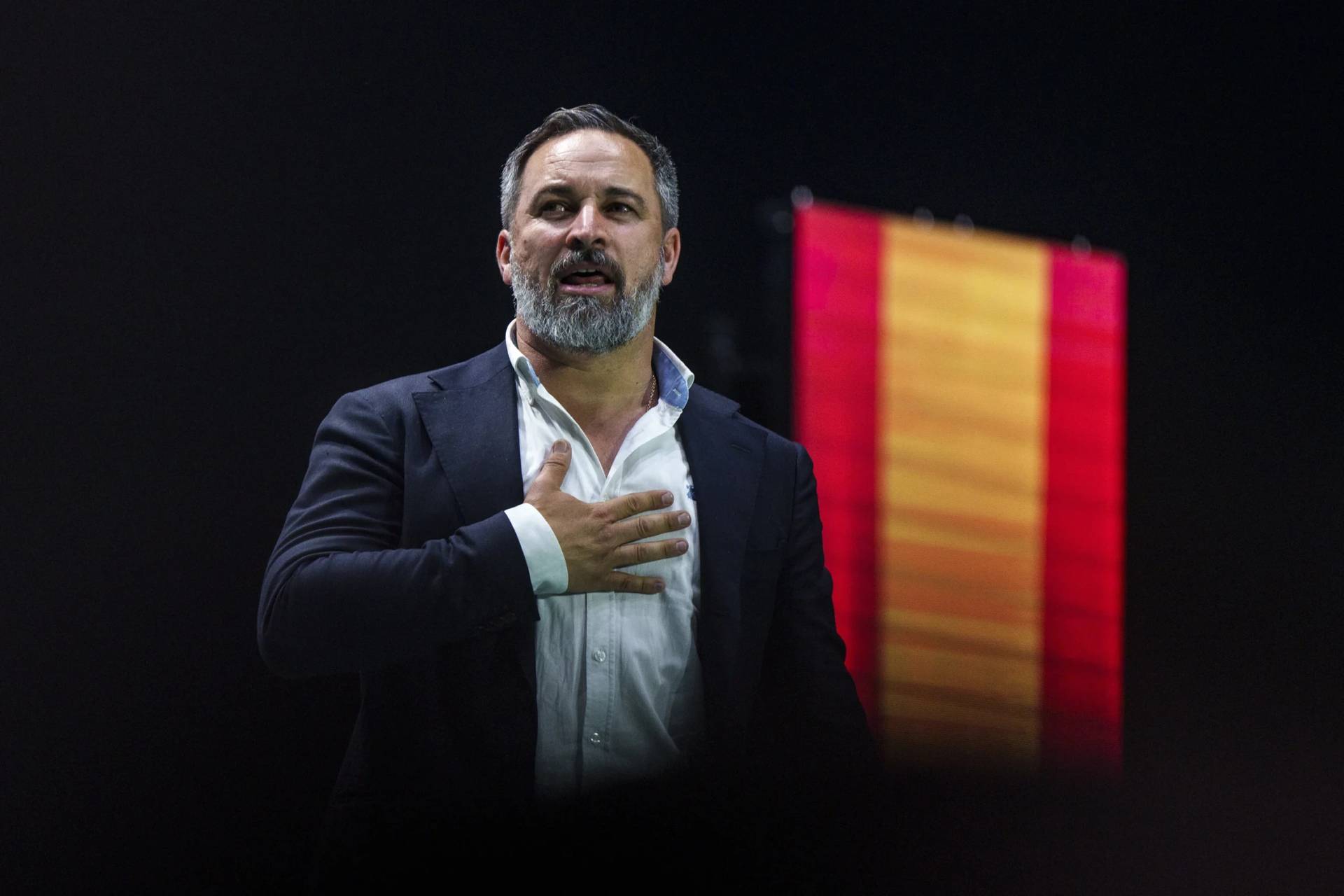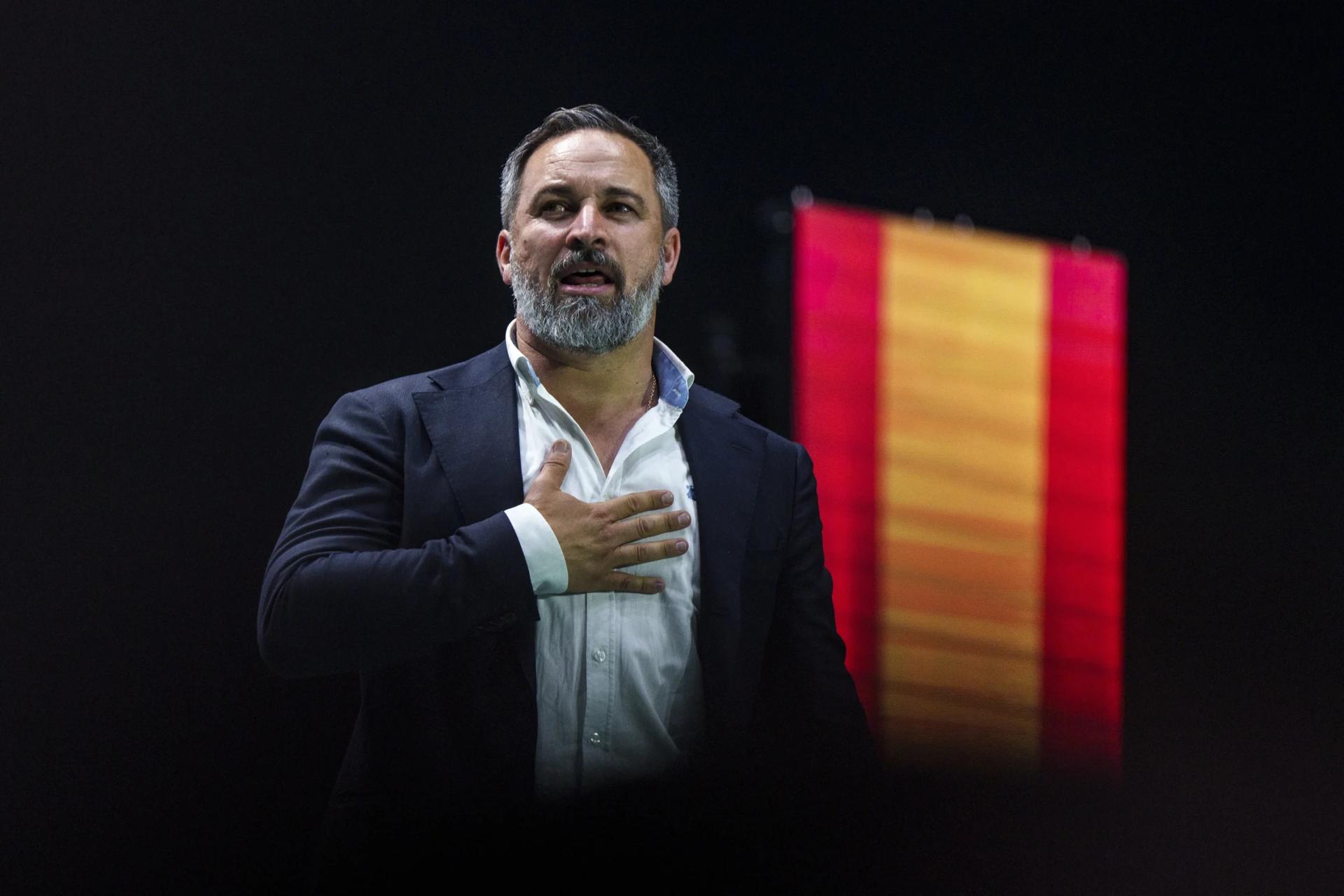
The leader of Spain’s far-right party has again implied that the Spanish Church’s support for immigration is partly explained by government funding—an implication that has been described as “slander” by a high-ranking member of the bishops’ conference.
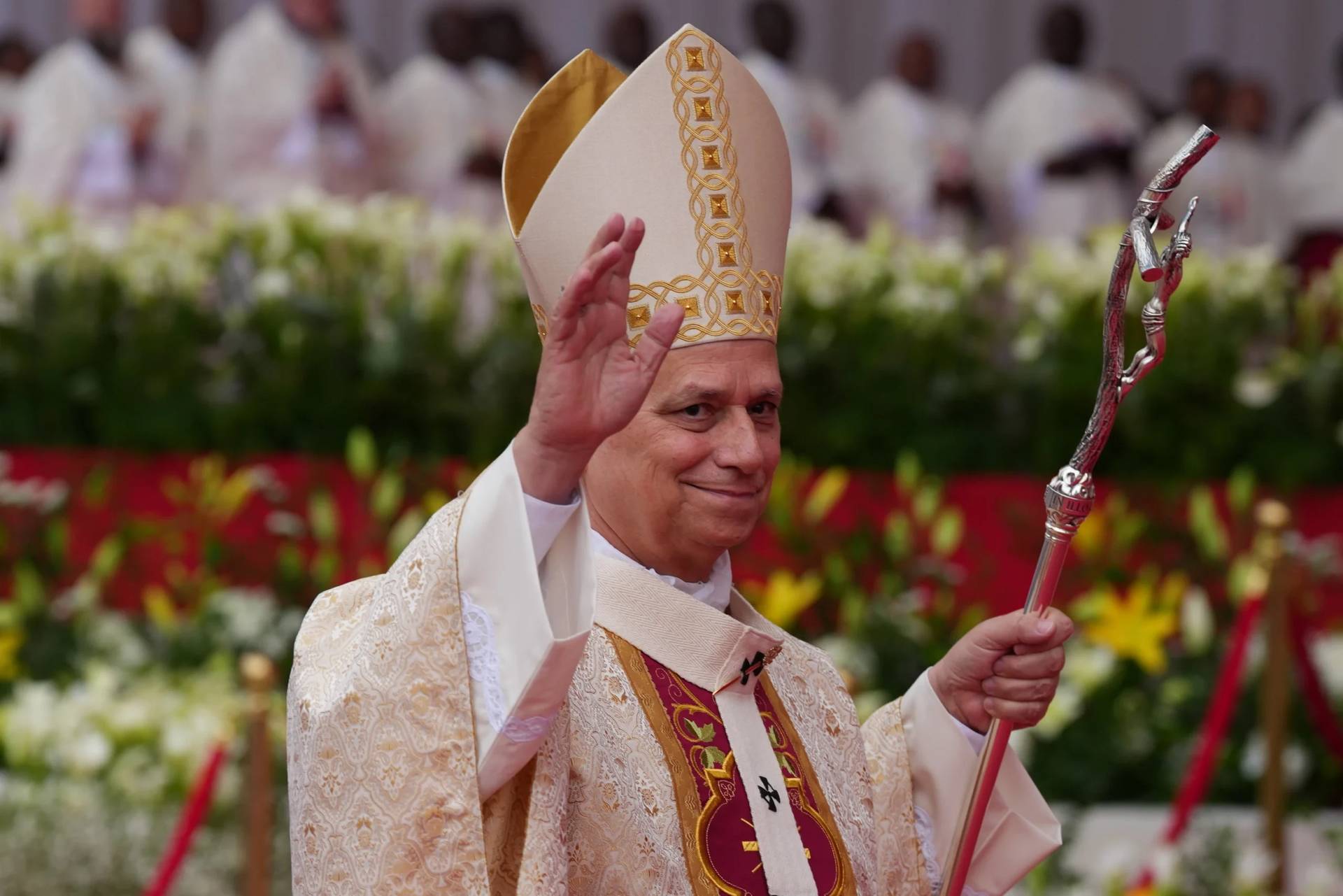
Speaking Friday at a press conference after the plenary meeting of the Spanish bishops this April, Bishop García Magán, the secretary general of the bishops’ conference, responded to Santiago Abascal, head of the party Vox, who this week criticized the bishop of the diocese of Canarias.
“There are statements that not only do not reflect reality, but also fall into the realm of pure ideological positioning, because they are not based on truth, but on falsehood, even on slander. Because to say there is enrichment where there is none enters into a delicate area,” Magán said.
Abascal wrote on X (formerly Twitter) on Wednesday in response to comments from Bishop José Mazuelos of Canarias who had said “if one wants to be Christian — and not only Christian, but human — one has to attend to and care for migrants.”
“Some people who profit from illegal immigration should leave the palace and go down to see the consequences it has for Spaniards—for healthcare, security, wages, and taxes,” Abascal said, replying to an article on Mazuelos’ comments.
Mazuelos was speaking at a press conference on Wednesday, explaining the immigration situation on the Canary Islands, where Pope Leo is due to visit during his trip to Spain in June.
According to figures from the Ministry of the Interior, just over 17,700 migrants arrived in the Canary Islands in 2025, many of whom come from Africa. In 2024, the number was 47,000 and in 2023, almost 40,000.
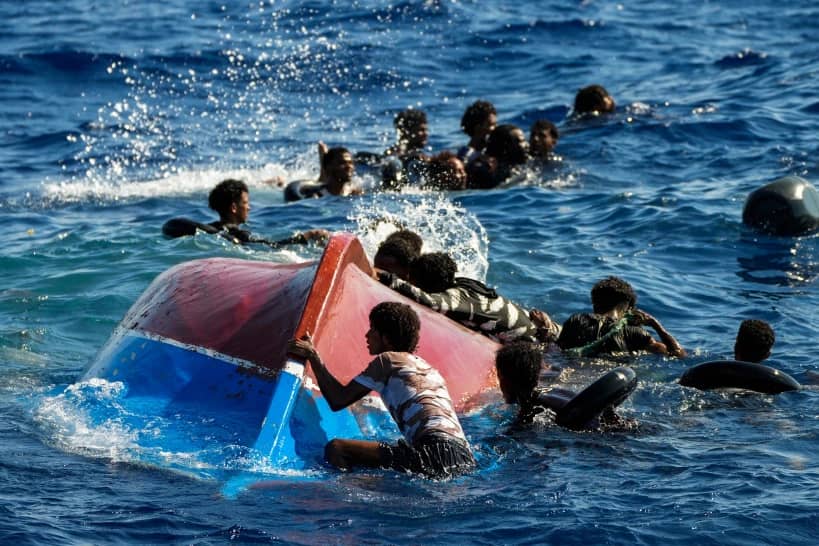
“Many people should be put in a small boat, spend five days in the Atlantic in a small boat, day and night, without eating, and see how they arrive. Then, when they arrive, what do we do? We will have to welcome them and take care of them, of course,” Mazuelos said.
These comments were also defended by Magán, who is also the auxiliary bishop of Toledo.
“The Church in the Canary Islands deals daily with the plight of people who have to travel in small boats. It would make a good journalistic report or radio podcast, and they could do it to understand this and see if Mazuelos’ words are true or not,” Magán said.
Cáritas funding
The Church in Spain doesn’t receive direct funding from the government, although there is a mechanism in place allowing people who submit income tax to allocate 0.7 percent of their contribution to the Church.
However, Cáritas Española, described on its website as “the official confederation of the social and charitable action organizations of the Catholic Church in Spain,” does receive government funding, and its outreach programs include working with migrants.
In 2024, Cáritas’ annual report said that it received €486.9 million ($570 million), of which €143.4 million ($168 million) was from Public Administrations – the Spanish governmental apparatus that manages the public interest.
In Extremadura, an autonomous community in the south of Spain near the border with Portugal, the center-right People’s Party (PP) and Vox recently reached an agreement to secure the investiture of María Guardiola from the PP as president of the community.
Among the points of their agreement is a cut in funding for charities that help migrants, which could affect organizations such as Cáritas, a principle that is called the “national priority” so that funding goes to “those who maintain a real, lasting, and verifiable connection with the territory.”
Magán said reducing aid to Cáritas “is acting on the urge of ideologies and slogans, and not from an objective and calm analysis of things.”
“Generally speaking, we live in an era where politics is driven by slogans and advertising claims that seek polarization. It aims to position oneself for or against without nuance. Slogans are used to criticize other parties. The Church does not operate at the level of slogans, neither this one nor any other,” he said.
“Our priority is the Gospel, which rests on two principles: the dignity of the human person, which is inviolable, inalienable, and cannot be diminished; and the common good of all society,” he added.
After its recent success in local elections in Extremadura and Aragón, along with polling data, it is considered a likely scenario that in the 2027 election, Vox will be a junior partner in a coalition government with PP.
Last summer, Abascal accused the Spanish bishops of being neutered by government grants and the fallout of the sexual abuse crisis, also implying the bishops profit from “revenue received as a result of the system of aid for illegal immigration.”
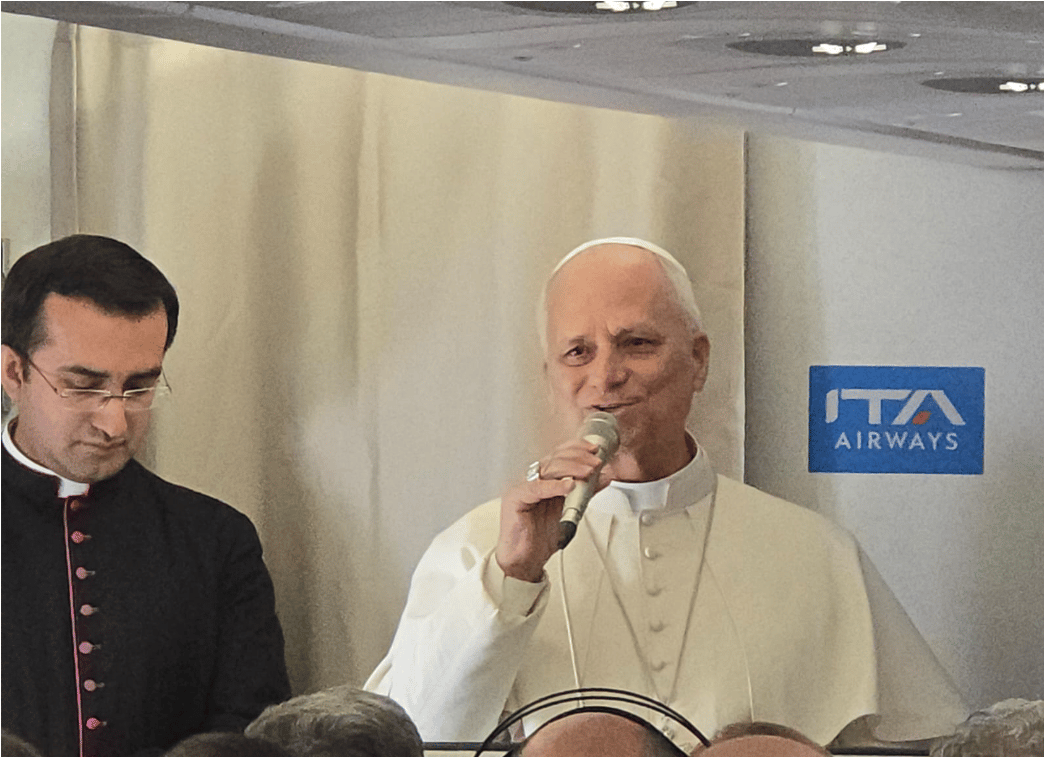
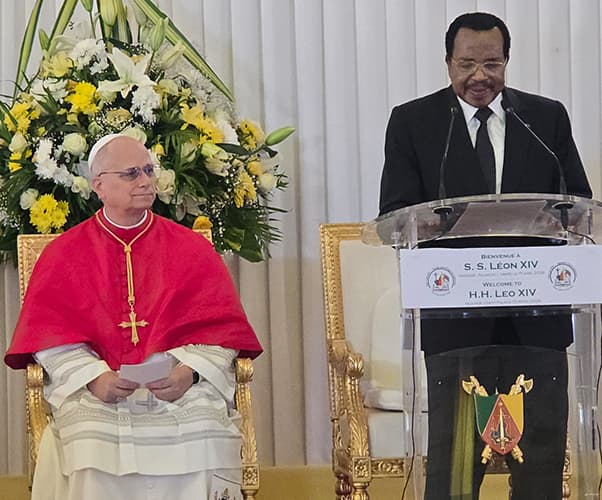
Speaking Thursday evening to journalists aboard the papal plane on the way back from his trip to Africa, Pope Leo XIV said that countries have a right to control their borders but also said migrants are human beings and “we have to treat human beings in a humanitarian way” and not worse “than house pets or animals.”