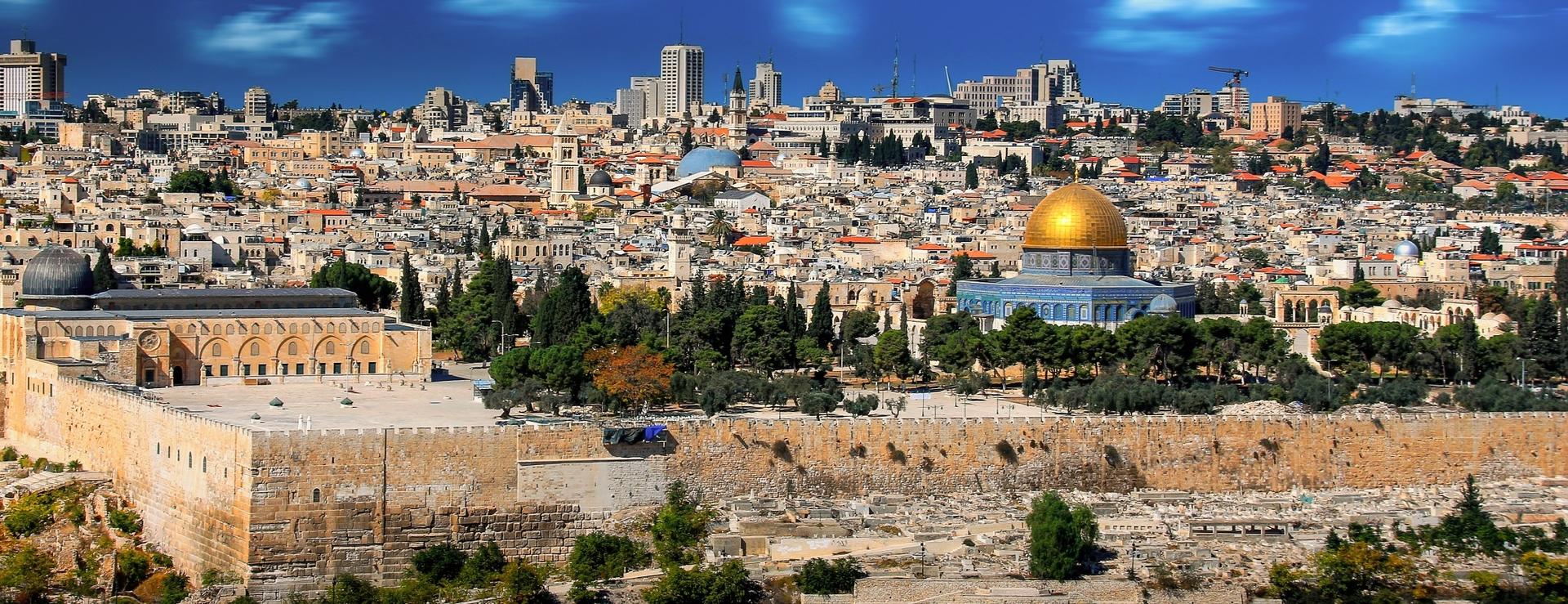
As the Church approaches Easter, the Latin Patriarch of Jerusalem says the “harshness of this time of war” means the celebration of the season will not be able to be celebrated “with dignity.”
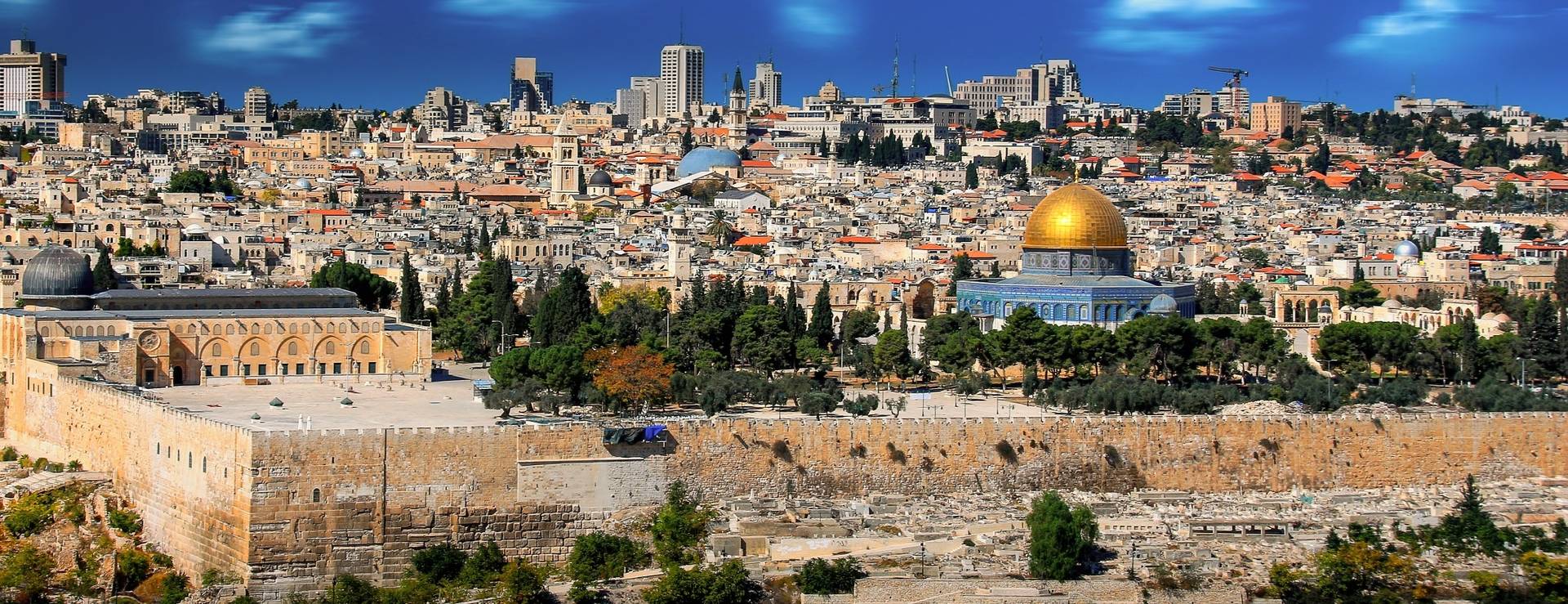
Holy sites across Jerusalem’s Old City, including the Church of the Holy Sepulchre, remained closed under Israeli security restrictions as the war on Iran, launched by the United States and Israel, enters its fourth week.
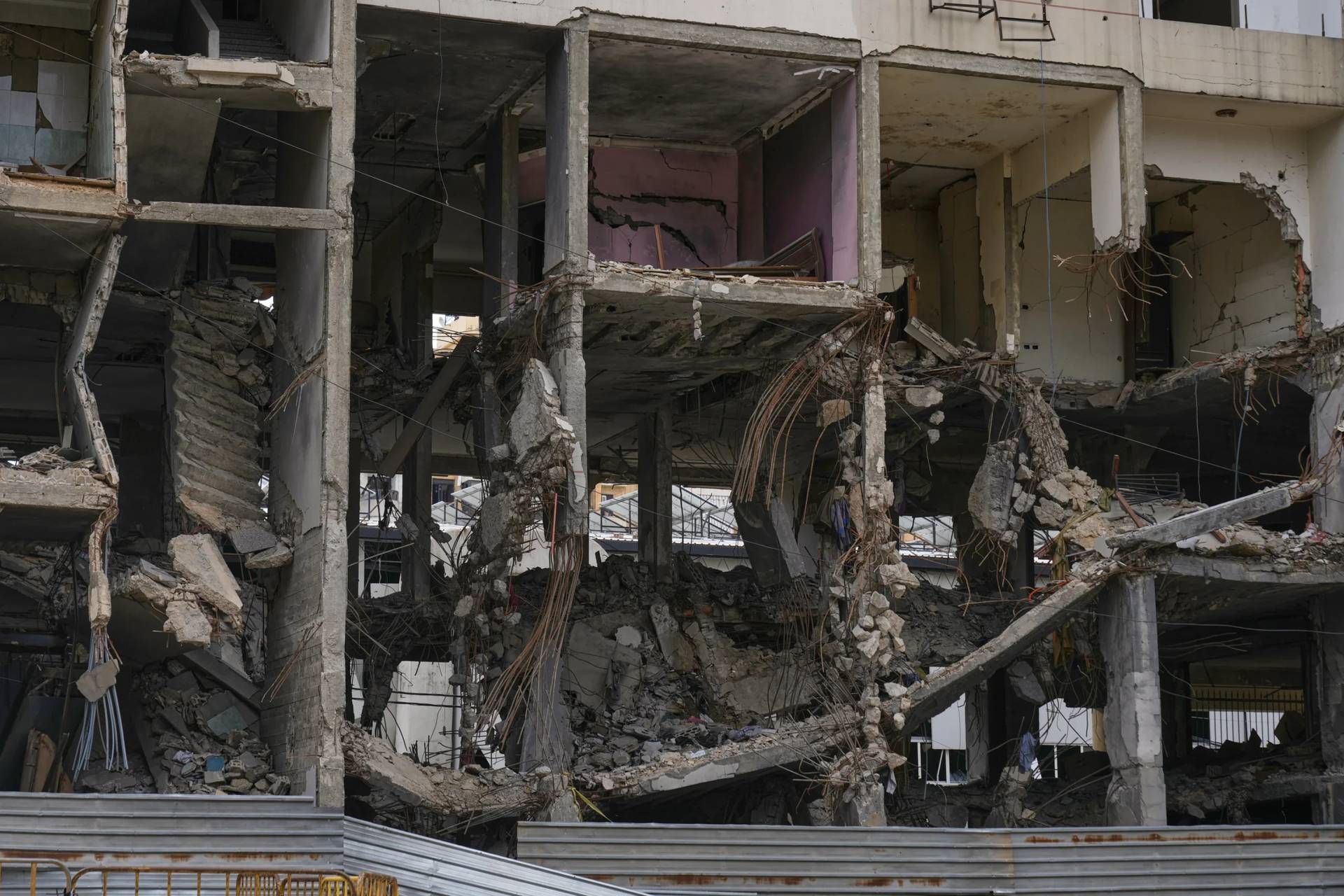
A strike from Iran hit near Jerusalem’s holiest church on Friday, damaging areas belonging to Christians.
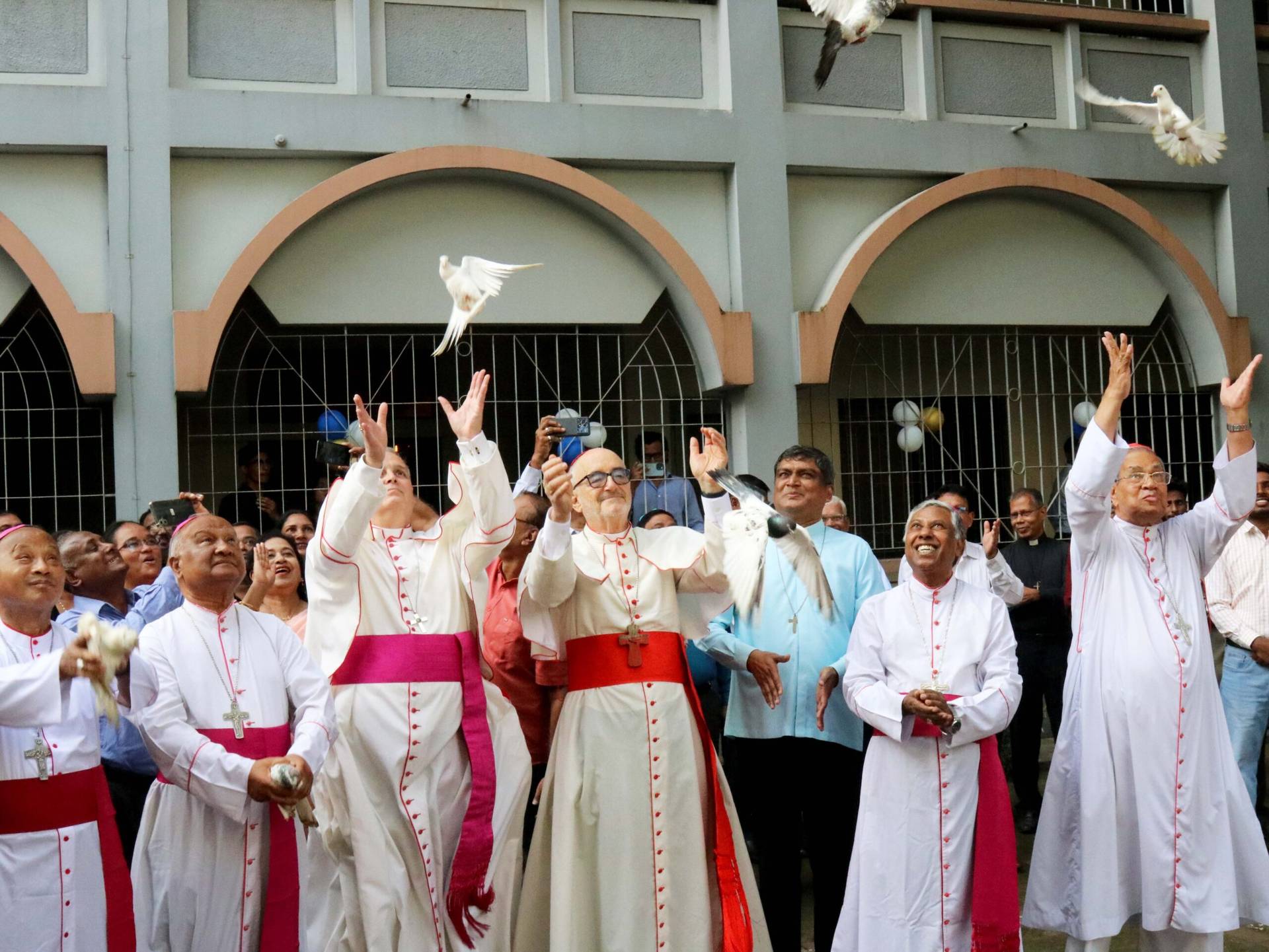
Due to the war, this year we were unable to experience the traditional Lenten journey in Jerusalem, with the solemn celebrations at the Holy Sepulcher and in the Holy Places of the Passion,” said Cardinal Pierbattista Pizzaballa, the Latin Patriarch of Jerusalem, in a statement on Sunday.
“Though we were able to pray and prepare personally, we felt the loss of the community journey towards Easter. Now we ask ourselves about the celebrations of Holy Week, the beating heart of our faith, in Jerusalem and at the Holy Sepulcher,” he said.
There are just over 160,000 Catholics in the patriarchate, which includes Israel, Palestine, Jordan, and Cyprus. However, it also cares for the thousands of pilgrims that visit the Holy Land every year.
Pizzaballa said the restrictions imposed by the conflict between Israel and the U.S. against Iran “do not bode well for any imminent improvement.”
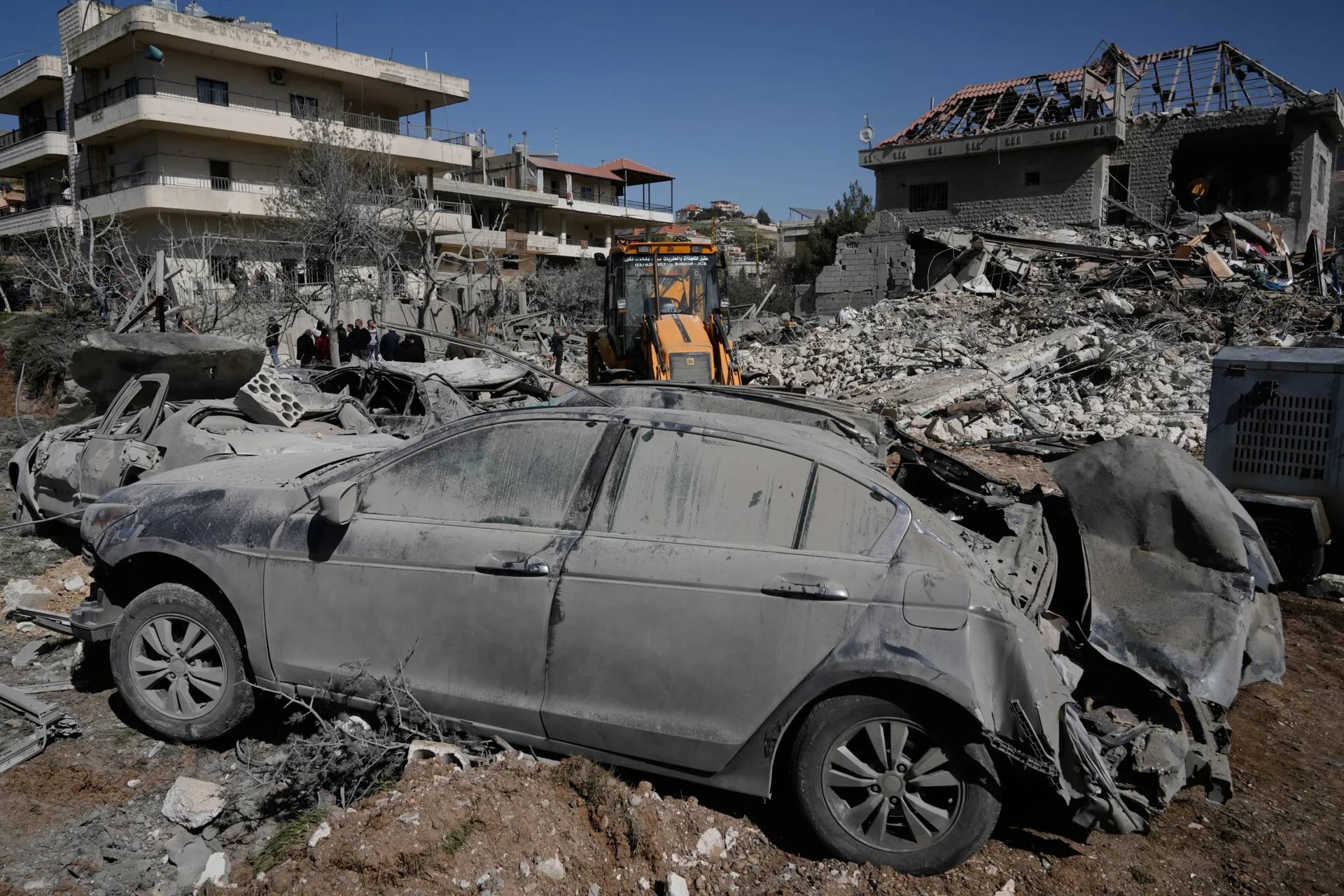
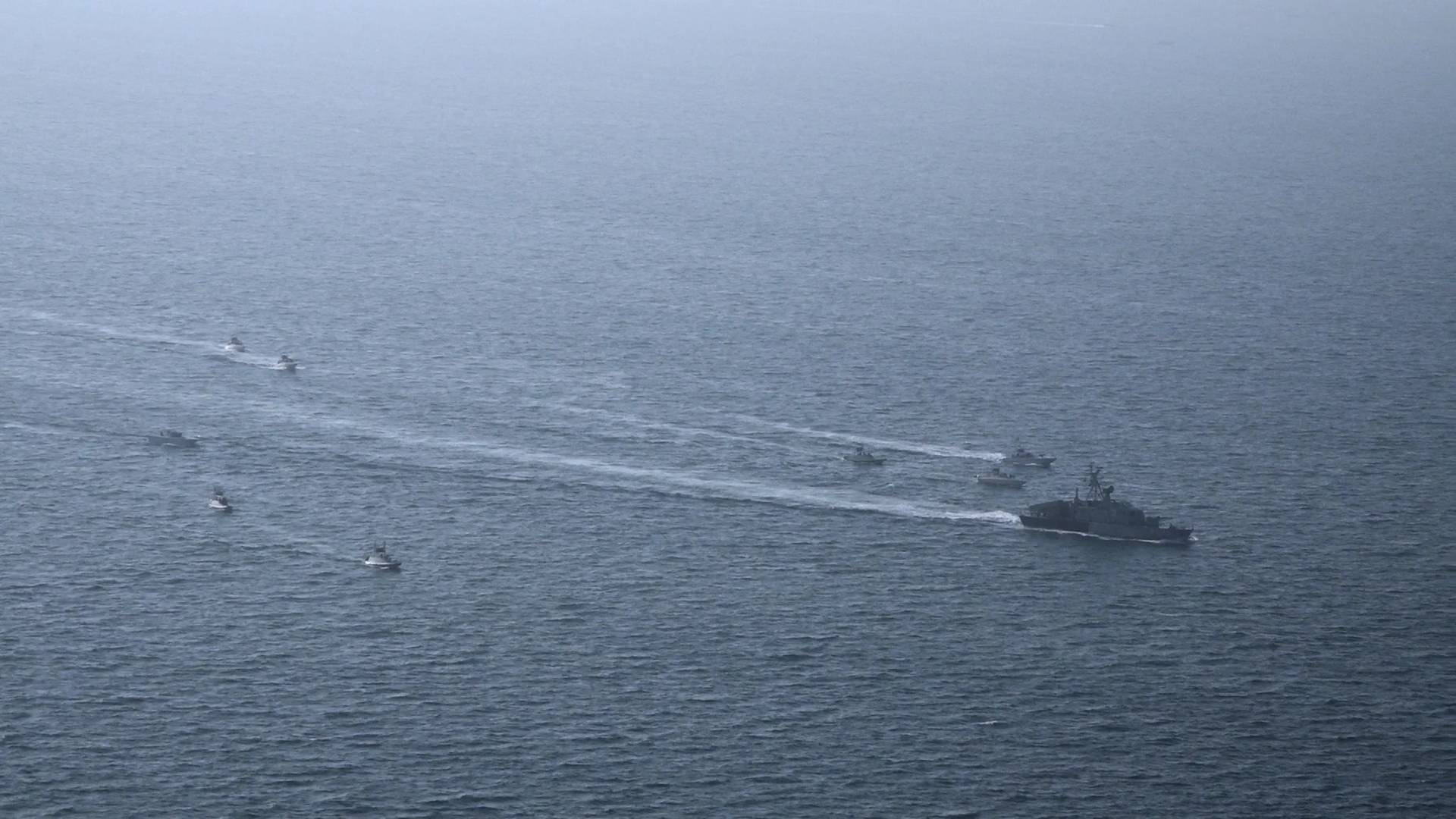
After the attack on their country, Iran has been retaliating against countries throughout the Middle East, and thousands of people have been killed across the region.
The cardinal says he has been in constant dialogue with the competent authorities, together with the other Christian Churches, and they are evaluating how, in the ways to be agreed upon, “we can celebrate the central Mystery of our salvation in the heart of our Churches.”
“The situation is constantly evolving, and it is not possible to provide definitive indications for the days to come; we will therefore be forced to coordinate on a day-to-day basis,” he explained, but confirmed it is already clear that ordinary celebrations open to all cannot take place.
Pizzaballa also stated how this affects the celebration of Holy Week in Jerusalem.
The traditional Palm Sunday procession, which goes up to Jerusalem from the Mount of Olives, to Jerusalem is canceled. It will be replaced by a moment of prayer for the city of Jerusalem, at a location to be determined.
The Chrism Mass is postponed to a date to be determined, as soon as the situation allows, possibly within the Easter season. The Dicastery for Divine Worship has already granted the necessary approval.
The cardinal also said the churches of the diocese remain open, and priests, in the forms and ways that are possible, “shall do everything they can to encourage prayer and the faithful’s participation in the celebrations of the Paschal Mystery.”
“The harshness of this time of war, which affects us all, today bears the added burden of not being able to celebrate Easter together and with dignity,” Pizzaballa said.
“This is a wound that adds to the many others inflicted by the conflict. But we must not allow ourselves to be discouraged. Though we may not gather as we would like, let us not give up prayer,” the cardinal added.
“We therefore wish to compensate for these limitations with moments of prayer as families and in our religious communities,” he continued.
“I know that prayer is already being practiced everywhere, and I am comforted by the commitment to keeping spiritual tension alive. However, I feel the need to propose a special day in which, while each of us remains in our own places, we feel spiritually united in prayer to find comfort,” he said, calling for a special service involving the rosary take place in churches on March 28.
“We desire peace, first and foremost for our troubled hearts. Only prayer can give it,” Pizzaballa said.
“Easter, which we celebrate in the name of Christ’s passion, death, and resurrection, reminds us that no darkness, not even that of war, can have the last word. The empty tomb is the seal of the victory of life over hatred, of mercy over sin,” he said.
“Let us allow this certainty to illuminate our steps and sustain our hope,” the cardinal added.