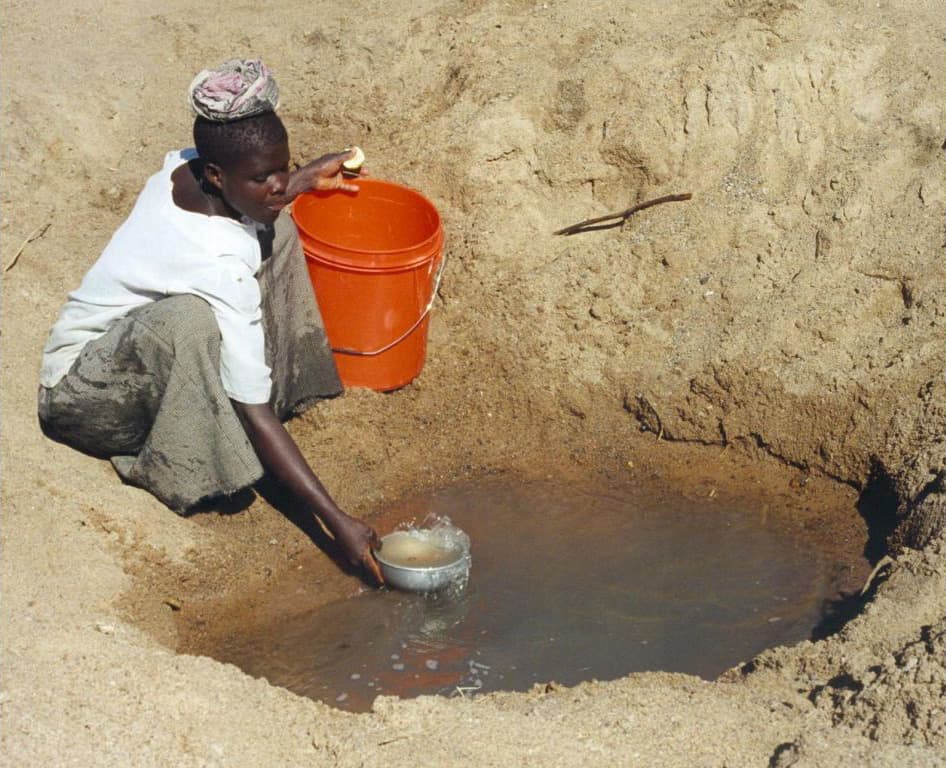
As well over a quarter billion people go without reliable access to the water they need for daily life, faith leaders in Africa are decrying injustice in resource management and calling for fundamental change.
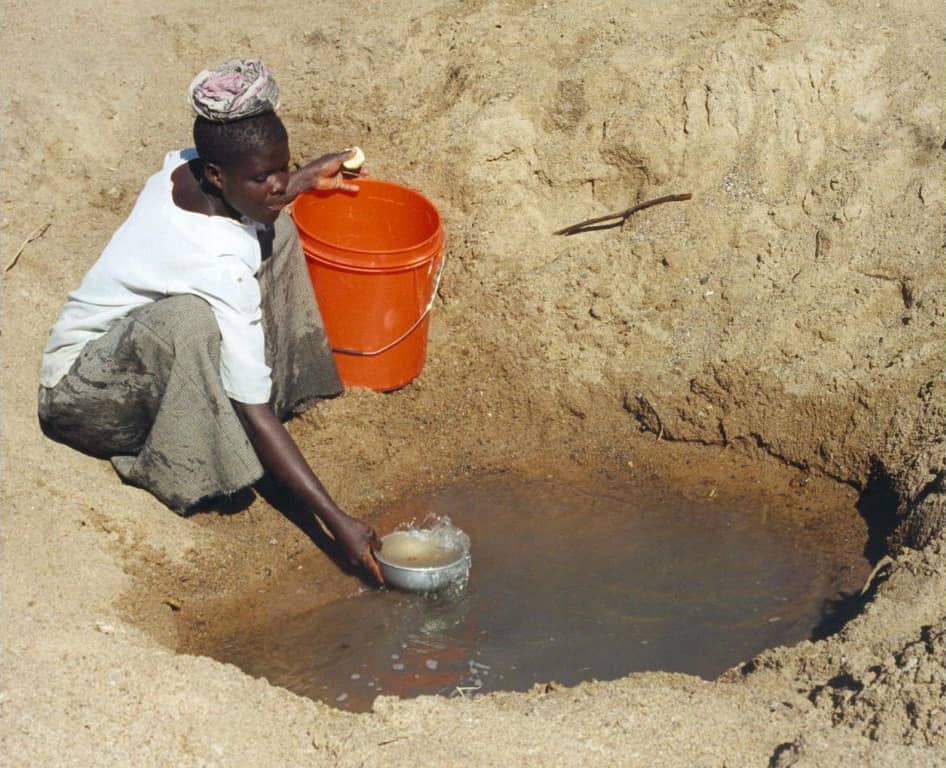
With approximately 319 million people in sub-Saharan Africa lacking access to reliable drinking water, African faith leaders under the aegis of the Symposium of Episcopal Conferences of Africa and Madagascar, SECAM, have issued what they call the 2026 Addis Ababa Confessional Declaration on Sustainable Water Resources and Sanitation.
Developed during a high-level African Union side event, the declaration provocatively frames the continent’s water crisis not as an issue of absolute scarcity, but of “managed abundance in inequality,” where mismanagement and injustice deny millions access to this vital resource.
This faith-driven initiative is timed to influence the African Union’s landmark “Africa Water Vision 2063 and Policy,” a continental framework set for adoption that will guide water governance for decades.
African heads of state and government have dedicated 2026 to water and sanitation, a move AU Commissioner for Agriculture, Rural Development, Blue Economy and Sustainable Environment (ARBE) Moses Vilakati called “a historic turning point.”
The declaration asserts that water and sanitation are not merely technical challenges but “ethical and spiritual realities fundamental to Africa’s life, human dignity, and sustainable prosperity.”
A central theme of the declaration is the strategic role of faith-based organizations as partners in development. It highlights their unique ability to reach underserved and hard-to-reach populations, build social trust, and drive behavioral change at the community level.
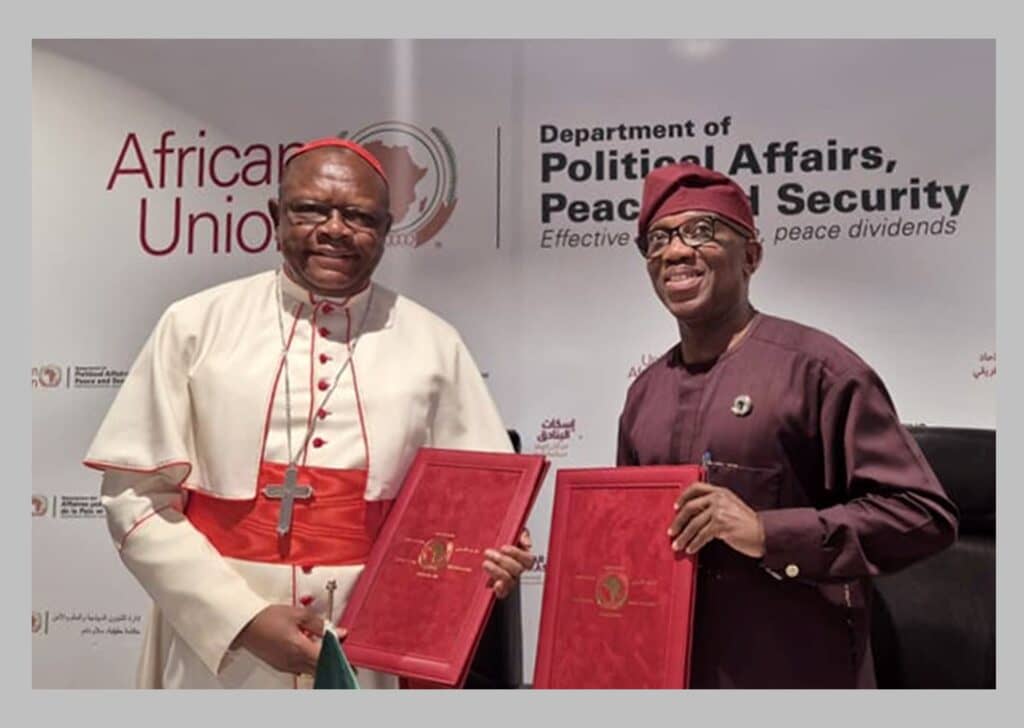
“The Catholic Church maintains a significant presence in regions where state influence is minimal,” the SECAM president, Cardinal Fridolin Ambongo of Kinshasa told Crux Now.
“Through our pastoral workers who live among these populations, we cultivate a profound understanding of their lived experiences,” Ambongo said. “This level of proximity provides a ground-level perspective that is often inaccessible to diplomats or representatives of the African Union Commission,” he said.
“Consequently,” Ambongo said, “the intelligence gathered from the field is exceptionally valuable, enabling community realities to inform and enhance continental strategies on peacebuilding, migration, and environmental stewardship.”
“Our contribution is rooted in tangible human experience rather than theoretical constructs,’ the SECAM president said.
Representatives from the African Union Commission, the Holy See, faith-based organizations, diplomats, civil society, academia, private sector innovators, and development partners all gathered at the Hilton Hotel to discuss the moral, social, and policy dimensions of water sustainability and sanitation in Africa.
“[W]ater is a shared natural heritage and a common good entrusted to humanity, whose governance must prioritize equity, intergenerational justice, ecological integrity, and preferential care for the most vulnerable,” Ambongo said.
The document calls for integrating values like human dignity, solidarity, and responsible stewardship into continental water governance.
Participants urged the AU Commission to formally recognize the declaration, strengthen collaboration with faith networks, and establish a structured platform for engagement on water and sanitation issues.
They called on national governments to integrate ethical and faith-sensitive approaches into their water strategies and ensure the participation of women, youth, and local communities in governance.
Development partners and the private sector were encouraged to carry out investments in innovative financing and climate-resilient technologies, and to view community and religious initiatives as viable channels for impactful investment.
It further called on the African Union Commission to officially incorporate the confessional declaration into its policy processes and proposed the creation of a permanent “AU religious platform on sustainable water and sanitation” to ensure that moral and ethical dimensions of water governance remain at the forefront of the continent’s development agenda as it works towards the goals of “Agenda 2063: The Africa We Want.”
RELATED: Crux Exclusive: Card. Ambongo on historic AU partnership for ‘The Africa We Want’
“Investing in water and sanitation is not a cost,” ARBE’s Vilakati said. “It is one of the highest returns on investments Africa can make. If we secure water and sanitation, we secure Africa’s economic transformation,” he said.
The President of the African Ministers’ Council on Water (AMCOW), Senegalese Minister for Hydraulic and Sanitation, Dr Cheikh Tidiane Dièye framed the vision as transformative.
“This is not merely a sectorial vision and policy. It is a continental strategy for prosperity, peace and resilience. “
Collins Nzovu, an MP who represented Zambia’s Minister of Water Development and Sanitation described water as being at the core of Africa’s existence.
“It is the lifeblood that sustains our people, the energy that powers our industries, and the common thread that binds our nations together.”
“With 90% of our surface water crossing borders,” Nzovu said, “cooperation is no longer an option; it is our only path to survival.”
He said the Africa Water Vision 2063 and Policy represent the African nations’ “Common Position” on “integrating water into the African Peace and Security Architecture to ensure that our shared basins remain engines of regional integration rather than sources of conflict.”
In a keynote address delivered on his behalf by Fr. Dumisani Vilakati, Cardinal Michael Czerny, Prefect of the Dicastery for Promoting Integral Human Development, described water and sanitation as “intrinsically linked and fundamental to integral human development.”
“Reliable access to water and sanitation is a prerequisite for cooking, schooling, a healthy and productive life, hygiene, healthcare and agriculture,” Czerny said.
“Inadequate access to water and sanitation can result in marginalization and stigma, poverty, malaria and other diseases, malnutrition and stunting,” as well as “many other related unsafe living conditions,” he said.
“Many poor people need to go long distances to fetch water or pay high costs for water provided by unreliable vendors. Such situations, you know, afflict Africa,” Czerny said, urging governments to prioritize access to water for their citizens, describing it as “both a social and moral imperative.”